
From Search Bar to Cafe Counter
The digital trail tells a compelling story. Over the past year, Google searches in India for “how to make matcha” have surged by a staggering 1,300%. This spike in at-home interest is mirrored by a rise in searches for “matcha near me,” particularly in cities
like Delhi, Goa, Chandigarh, and across Karnataka, indicating that online curiosity is directly translating into foot traffic for local cafes. This isn't just a passing fad; it’s a clear signal of a market maturing from passive interest to active consumption. The Indian matcha market was valued at approximately USD 41.9 million in 2024 and is projected to grow at a brisk 8.6% annually.
The Wellness Wave
A significant driver of matcha's ascent is its powerful health narrative. Positioned as a superfood, it’s packed with antioxidants—far more than regular green tea because you consume the entire leaf. For a growing number of health-conscious urban Indians, matcha offers a perfect blend of benefits: it boosts metabolism, improves focus without the jitters of coffee, and is rich in nutrients. This is reflected in search data, where queries for “matcha health” have risen 1,000% and “matcha vs coffee” has seen breakout interest. The drink's association with mindful, clean living resonates deeply in a post-pandemic world where wellness has become a priority.
An Instagram-Ready Aesthetic
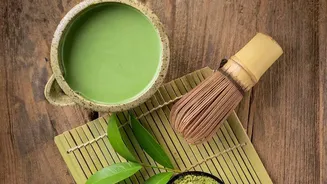
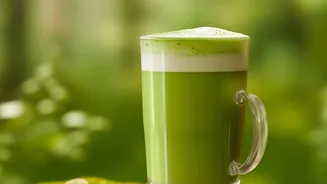
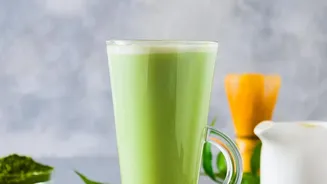
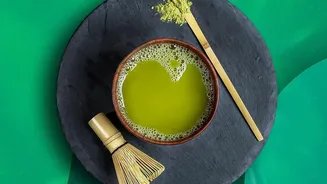
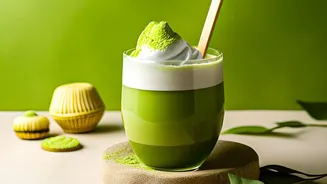
Let’s be honest: matcha is incredibly photogenic. Its vibrant green hue makes for a stunning visual, whether it's a frothy latte, a layered dessert, or a colourful bubble tea. In the age of social media, where aesthetics often drive trends, matcha’s “Instagrammable” nature has been a huge asset. Food sociologists note that it’s not just a beverage but a visual object, a lifestyle accessory that signals a connection to global trends and modern wellness. This visual appeal creates a powerful feedback loop: people see it online, get curious, search for it, and then share their own matcha moments, further amplifying its popularity.
The Indian Adaptation
While the trend may be global, its execution in India is increasingly local. Cafes and brands are cleverly adapting matcha to the Indian palate. Instead of serving it only in its traditional, sometimes bitter form, they are creating innovative fusion drinks and desserts. Think mango matcha lattes, which saw a 200% search spike, or even a matcha aam panna. In Bengaluru, one cafe offers a smoky, charcoal-roasted green mango base topped with matcha foam. Meanwhile, dessert menus feature creations like matcha-infused tiramisu, cheesecakes, and even kulfi. These adaptations make the flavour more accessible and exciting for a broader audience, blending Japanese tradition with familiar Indian tastes.
Is the Green Wave Here to Stay?
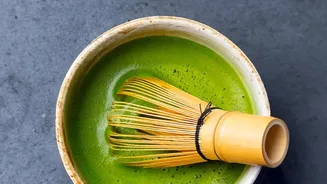
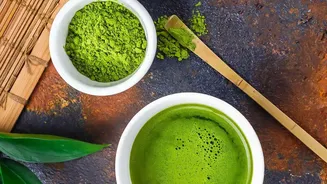
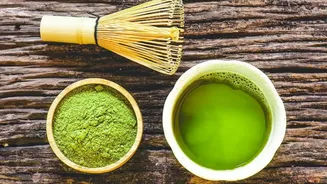
Every trend faces the question of longevity. Is matcha destined to become a permanent fixture like coffee and chai, or is it a fleeting obsession? The evidence suggests it has staying power. The move from cafe purchases to at-home preparation—with searches for matcha whisks and bowls seeing breakout growth—signals a deeper commitment. Major coffee chains like Blue Tokai and Third Wave Coffee have made matcha a core menu item, normalizing it for a wider audience. While it may not replace the daily masala chai ritual, matcha has successfully carved out its own space as a premium, versatile, and aspirational beverage. It represents a cultural shift where Indian consumers are not just adopting global trends, but are also making them distinctly their own.