





A Record-Breaking Performance
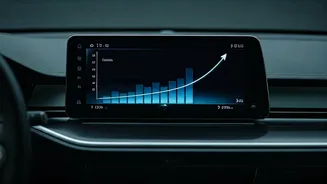
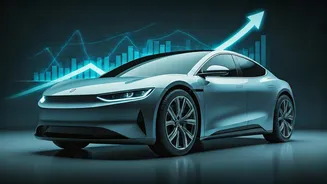
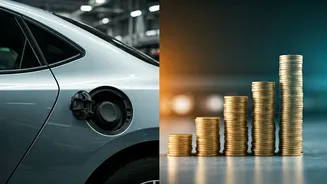
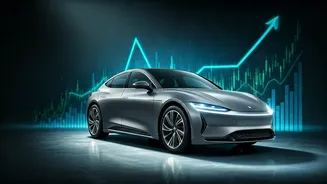
The numbers speak for themselves. In June 2026, the electric passenger vehicle (e-PV) industry in India crossed a significant milestone, with registrations surpassing 30,000 units for the first time in a single month. Total sales reached 31,253 units,
representing a staggering 106% year-on-year growth compared to the 15,203 units sold in June 2025. This isn't just a one-off spike; it builds on strong, consistent growth throughout the year, with May 2026 also posting impressive numbers. This sustained momentum indicates that the adoption of electric cars is moving from a niche market for early adopters into the mainstream, with market penetration for electric passenger cars reaching 6.6% in May 2026.
The Mass-Market Revolution
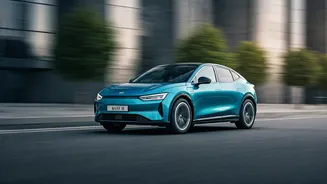
A key driver of this growth is the increasing availability of affordable and practical electric cars. Tata Motors continues to lead this charge, cementing its dominant position with a remarkable 12,023 EVs sold in June 2026, a 125% year-on-year increase. The company's diverse portfolio, including the popular Nexon EV and more recent additions like the Punch EV and the updated Tiago EV, caters to a wide range of buyers, particularly first-time EV owners. Mahindra & Mahindra has also emerged as a formidable competitor, rapidly closing the gap. It registered its highest-ever monthly sales of 7,645 units in June, marking a 118% year-on-year growth and securing a 24% market share. This intense competition in the mass-market segment is making EVs more accessible than ever.
SUVs and Luxury Go Electric
The electric wave is not confined to budget-friendly models. The SUV segment, a powerhouse in the Indian auto market, is seeing significant electric action. Models like the Tata Nexon EV and offerings from Mahindra are volume drivers. The recent launch of the highly anticipated Tata Sierra EV is expected to further shake up the premium electric SUV space. At the same time, the luxury end of the market is also experiencing a boom. In June 2026, a record 801 luxury EVs were sold, more than double the number from the previous year. Brands like BMW and Mercedes-Benz are leading this growth, demonstrating that the appeal of electric mobility now spans the entire price spectrum, from entry-level to high-end luxury.
The Policy and Infrastructure Push
This market expansion is supported by a multi-pronged approach from the government and industry. Schemes like FAME (Faster Adoption and Manufacturing of Electric Vehicles) and its successors have been instrumental in bridging the price gap between electric and petrol cars through subsidies. While subsidies for private cars have been debated, the overall policy direction has boosted consumer and investor confidence. Simultaneously, the challenge of 'range anxiety' is being tackled head-on. Significant investment is flowing into the expansion of public charging infrastructure across cities and highways, making long-distance travel in an EV a more viable proposition. As the charging network grows, so does buyer confidence.
An Expanding Universe of Choices
Looking ahead, the momentum is set to continue. Nearly every major automaker is expanding its EV lineup for India. Tata Motors has plans for a facelifted Tigor EV and a Safari EV later in 2026. New players like Vinfast are gaining traction, and established brands like Maruti Suzuki are making their presence felt after entering the market. The sheer number of upcoming launches, from compacts to large SUVs and sedans, promises to give consumers an unprecedented level of choice. This influx of new models will further intensify competition, likely leading to better technology, longer ranges, and more competitive pricing, accelerating India's transition to electric mobility.