

The Case for Roasting: Deep Flavour
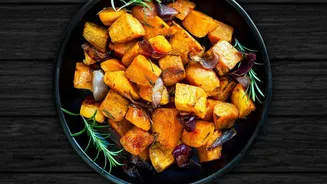
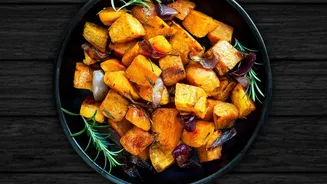
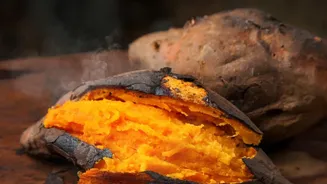
Roasting uses the dry, high heat of an oven to cook sweet potatoes. When you toss cubed or wedged sweet potatoes with a little oil and spread them on a baking sheet, you are setting the stage for caramelization. This process is key. The oven's consistent
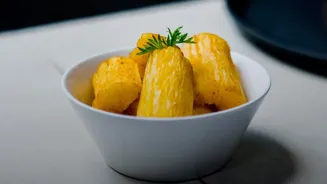
heat envelops the potatoes, converting their natural starches into sugars and browning them, which creates a deep, nutty, and intensely sweet flavour that is hard to achieve with other methods. The result is a wonderfully soft, fluffy, and almost creamy interior, contrasted by a slightly crisp, chewy skin. Roasting is a relatively hands-off method; once the potatoes are in the oven, they require minimal attention, making it perfect for when you are preparing other parts of a meal. This method is ideal for creating a flavourful side dish or for prepping sweet potatoes for mashes and purees where a concentrated, sweet taste is desired.
The Appeal of Pan-Cooking: Speed and Crispiness
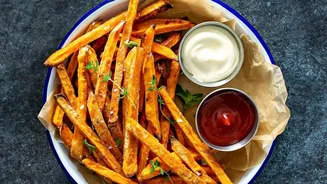
Pan-cooking, which includes methods like sautéing or pan-frying, involves cooking sweet potatoes in a skillet on the stovetop. This technique relies on direct contact with a hot, oiled surface. The primary advantages are speed and texture. Because the heat is direct and intense, small cubes or thin slices of sweet potato can cook in as little as 10 to 15 minutes, making it an excellent choice for a quick weeknight meal. The key to success is to not overcrowd the pan; this ensures the potatoes fry rather than steam, developing a delightfully crispy, golden-brown crust on the outside while remaining tender inside. This method gives you more active control over the cooking process, allowing you to adjust heat and stir frequently for an even finish.
Flavour and Texture Face-Off
The final taste and feel of your sweet potatoes will differ significantly between these two methods. Roasting brings out a complex, deep sweetness due to prolonged exposure to dry heat. The sugars caramelize slowly, resulting in a rich, almost dessert-like flavour profile. The texture is predominantly soft and tender. Pan-cooking, on the other hand, yields a different kind of deliciousness. The flavour is less intensely sweet and more savoury, marked by the taste of the hot oil and the crispiness of the crust. The texture is the main event here: a firm, satisfying bite with distinct crispy edges that provide a wonderful contrast to the soft interior. Some cooks even recommend coating the potatoes in cornstarch before pan-frying to maximize this crispiness.
Considering Time, Effort, and Health
Your decision might also come down to practical considerations. Roasting typically takes longer—anywhere from 30 to 50 minutes depending on the size of the pieces and oven temperature—but most of that is inactive time. Pan-cooking is much faster but requires your full attention at the stove. From a health perspective, both methods can be nutritious. Roasting generally requires less oil, as a thin coating is all that's needed. Pan-frying can absorb more oil, but you can control the amount you use. Studies suggest that roasting is one of the healthiest ways to cook sweet potatoes as it helps retain nutrients better than boiling. Ultimately, since deep-frying is not involved, both methods can easily fit into a healthy diet, especially since sweet potatoes are packed with fibre, vitamin A, and antioxidants.
The Verdict: When to Choose Each Method
There’s no single winner; the best method depends on your desired outcome. Choose roasting when: - You want a deep, caramelized, and intensely sweet flavour. - You are looking for a soft, fluffy texture for mashes, soups, or a simple side dish. - You are multitasking in the kitchen and need a hands-off cooking method. - You're cooking a large batch, as an oven can accommodate more potatoes than a skillet. Choose pan-cooking when: - You are short on time and need a quick side dish. - Your top priority is a crispy texture with browned edges. - You want to incorporate sweet potatoes into a stir-fry, hash, or salad where a firmer bite is preferable. - Your oven is already occupied with another dish.