

The Inward Journey: Meditative Yoga
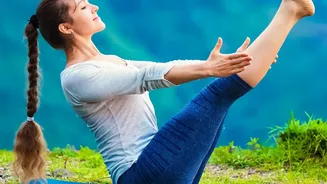
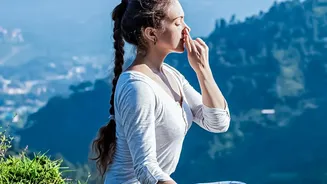
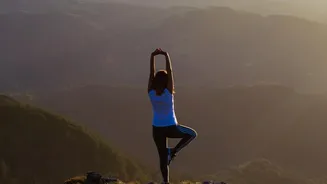
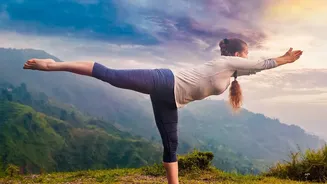
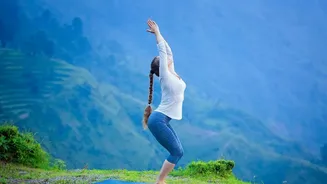
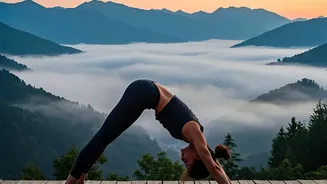
Meditative yoga invites a journey inward. It's a practice that combines physical postures (asanas), controlled breathing (pranayama), and mindfulness to quiet the relentless chatter of the mind. The magic lies in its ability to directly influence the nervous
system. By focusing on slow, deliberate breaths and holding poses, practitioners can activate the parasympathetic nervous system—the body's 'rest and digest' mode. This process helps to lower levels of cortisol, the primary stress hormone, leading to a profound sense of calm and relaxation. Studies have shown that regular practice can increase levels of GABA, a neurotransmitter linked to improved mood and reduced anxiety. It is an exercise in creating stillness from within, teaching you to observe your thoughts without judgement and find peace within your own physical and mental space.
The Outward Expedition: Mountain Trekking
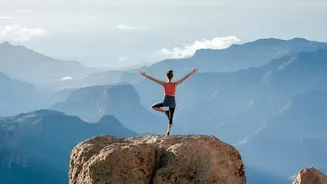
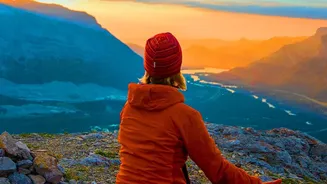
If yoga is an inward journey, mountain trekking is its outward-bound counterpart. The benefits begin with the physical act of walking, a whole-body workout that improves cardiovascular health and releases mood-boosting endorphins. But the true power of trekking comes from its environment. Being in nature has been shown to reduce stress, calm anxiety, and lower the risk of depression. The very act of navigating a trail requires a level of present-moment awareness that is, in itself, a form of meditation. More profoundly, mountain trekking often exposes us to moments of awe—the feeling you get from witnessing a breathtaking vista or the vastness of the sky. Neuroscience suggests these awe-inspiring experiences can quiet the brain's 'default mode network,' which is responsible for self-focused rumination and anxiety, effectively resetting our mental patterns.
Different Trails to Inner Peace
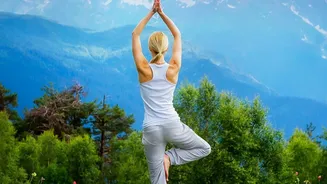
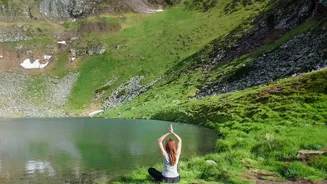
At first glance, the quiet, contained practice of yoga seems worlds apart from the rugged, expansive nature of trekking. Yet, both are powerful forms of 'moving meditation' that lead to the same destination: mindfulness. Yoga cultivates it through a deliberate focus on breath and bodily sensations within a controlled space. Trekking cultivates it by demanding your attention on the path ahead, the rhythm of your steps, and the environment around you. Yoga builds internal awareness and control, teaching you to find peace in stillness. Trekking fosters a connection to the external world, showing you how to find calm within motion and perspective in vastness. One journey is about mastering the landscape of the self; the other is about harmonizing with the landscape of the world. Both ultimately teach you to disconnect from daily stressors and reconnect with a more grounded state of being.
Which Path Is Right for You?
Choosing between a yoga mat and a hiking boot might simply come down to your needs at a given moment. If you feel overwhelmed, scattered, and in need of quiet introspection to calm your internal world, the structured sanctuary of a yoga practice may be the perfect antidote. It offers a reliable space to turn down the volume and recenter yourself. Conversely, if you feel cooped up, stagnant, or trapped in repetitive thought loops, the physical challenge and expansive scenery of a mountain trek could be what you need. It provides a sense of accomplishment, a change of perspective, and a physical release that can break you out of a mental rut. Of course, the two are not mutually exclusive. Many find that the flexibility and core strength from yoga improves their hiking, while the mental clarity gained on the trail enhances their meditation practice.