






Feathered Diplomats Arrive in Geneva
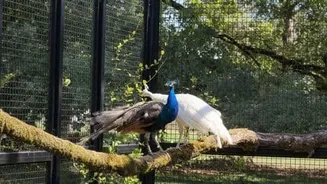
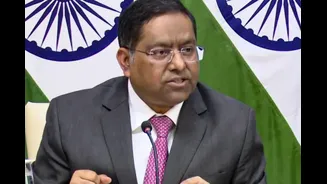
In early August 2026, a special handover ceremony took place at the historic Ariana Park, home to the UN's European headquarters, the Palais des Nations. India's Ambassador to the UN in Geneva, Arindam Bagchi, formally presented five young peafowls to the Director-General
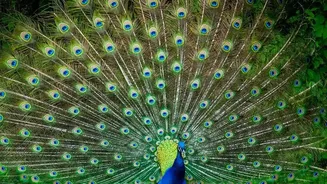
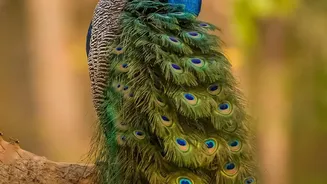
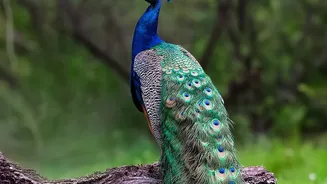
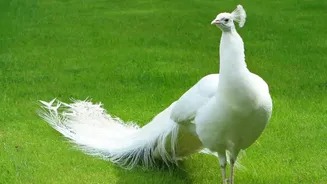
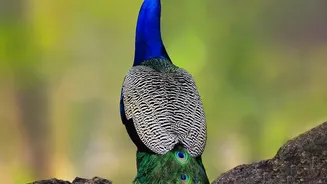
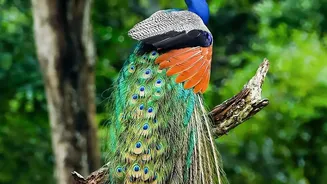
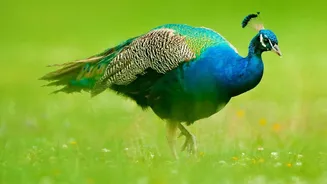
of UN Geneva, Tatiana Valovaya. The flock includes four vibrant blue peafowls and one rare white male, whose colours serendipitously mirror the blue and white of the United Nations flag. This gesture was hailed as a reaffirmation of India's commitment to multilateralism and its long-standing partnership with the UN. The birds will first acclimate in a special aviary before being allowed to roam the sprawling 46-hectare park.
A Tradition Revived
This isn't the first time India's national bird has been a resident of Ariana Park. The gesture revives a tradition started back in 1981, when then-Prime Minister Indira Gandhi gifted a breeding pair of peafowls from the Delhi Zoo. Peacocks have been a feature of the park, which was once a private estate, for over a century. However, in recent times the population had dwindled to just a single bird. This new gift breathes life back into a cherished tradition, connecting India's heritage with the international spirit of Geneva. Officials have even announced plans for a public competition to name the five new arrivals.
The Significance of the Peafowl
In India, the peafowl, or Pavo cristatus, is far more than just a beautiful bird. Declared the national bird in 1963, it is deeply woven into the country's cultural and mythological fabric. It symbolizes grace, beauty, and royalty, and is found in art and scripture for centuries. The bird is associated with deities like Lord Krishna, who wears its feather in his crown, and Lord Murugan, who uses it as his vehicle. Its presence is felt everywhere, from ancient legends to modern motifs. By choosing the peafowl for this diplomatic gift, India is sharing a piece of its soul and a symbol of its natural heritage.
The Art of Soft Power
This gift is a textbook example of "soft power," the ability to influence and attract through culture and values rather than force. In a world of complex political negotiations, gestures like this play a vital role in building goodwill and fostering positive relationships. It's a form of cultural diplomacy that showcases a nation's identity on a global stage. From promoting yoga, which led to an International Day of Yoga at the UN, to the global reach of its cinema and cuisine, India has often used its rich cultural heritage as a diplomatic tool. Sending these living symbols of beauty and resilience to the heart of international diplomacy in Europe is a powerful, visual statement of India's cultural pride and its commitment to global partnership.