





A Taste of India in Orbit
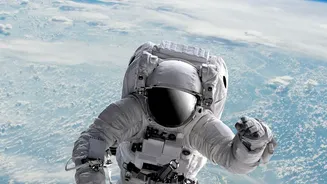
The headline-making journey of Group Captain Shubhanshu Shukla to the International Space Station (ISS) in mid-2025 marked a significant moment, making him the second Indian to travel to space. While his mission on Axiom Mission 4 was a scientific endeavour,
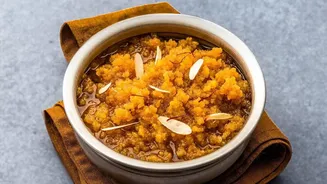
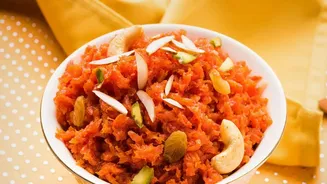
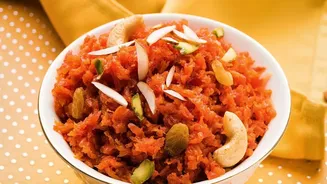
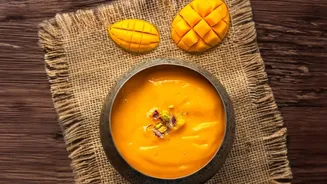
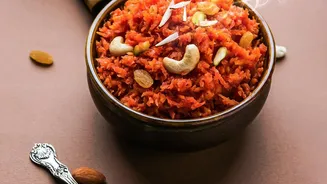
a small but significant part of his payload captured the imagination of a nation: a carefully selected menu of Indian comfort foods. In a recent podcast, Shukla shared that while an extensive menu of Indian dishes was prepared, only three sweet delicacies ultimately cleared the rigorous testing process in time for his flight: gajar ka halwa, moong dal ka halwa, and aamras (mango pulp). These items, originally developed for India's own ambitious Gaganyaan mission, became a delicious symbol of national pride in orbit.
The Science of Space Sweets
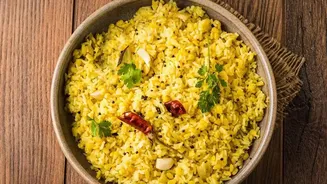
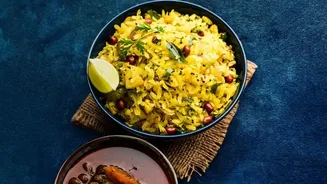
Getting a simple dessert like halwa ready for space is a monumental scientific challenge. The Mysuru-based Defence Food Research Laboratory (DFRL), which has been pioneering space food in India since Rakesh Sharma's 1984 flight, was tasked with the job. Every food item must undergo a stringent qualification process. The meals need to be lightweight, have a long shelf life, and be safe to consume in a microgravity environment where even a single crumb can become a hazard, potentially damaging sensitive equipment. Using advanced techniques like freeze-drying and retort packaging, scientists at DRDO and DFRL ensure the food retains its flavour, texture, and nutritional value while being completely secure. Shukla explained that the limited timeline for his Ax-4 mission was the main reason more items like khichdi and pulao didn't make the final cut, as they were still undergoing tests.
More Than Just a Meal
For astronauts on long-duration missions, isolated from home and family, food plays a critical psychological role. Having familiar, comforting dishes provides a crucial morale boost and a tangible link to one's culture. Shukla’s mission was no exception. Interestingly, he revealed that his international crewmates enjoyed the Indian sweets so much that he happily shared them, ultimately not getting to eat the precious cargo himself. The experience highlighted the universal power of sharing a meal. By the end of his mission, however, Shukla admitted to craving savoury and spicy Indian food, a wish that was fulfilled upon his return to Earth when he was greeted with banana chips and bhakarwadi.
A Menu for Gaganyaan's Future
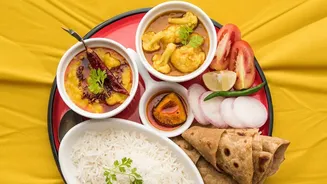
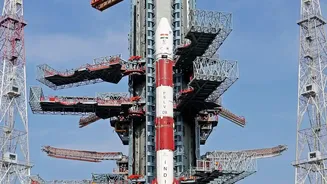
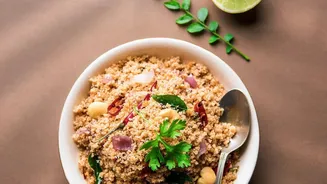
The experience with Shukla's flight provides invaluable data for India's upcoming Gaganyaan mission, the country's first crewed spaceflight. The goal is to create a comprehensive, nutritious, and appealing all-Indian menu for the astronauts. DFRL has already developed around 60 ready-to-eat items, including chicken biryani, aloo paratha, idli sambar, and various curries. These efforts, in collaboration with institutes like the National Institute of Nutrition, aim to ensure that when Indian astronauts fly on an Indian spacecraft, they will have a full pantry of desi meals. The journey of three simple sweets to the ISS is a testament to the detailed planning and scientific innovation fuelling India’s space ambitions, proving that even in the final frontier, there's always room for a taste of home.