


From 'Last' to 'First': A Symbolic Shift
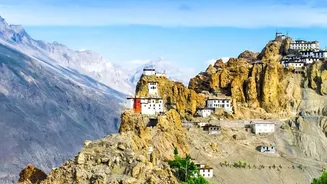
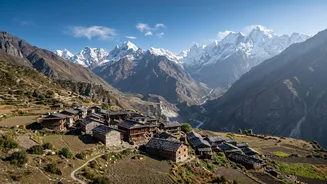
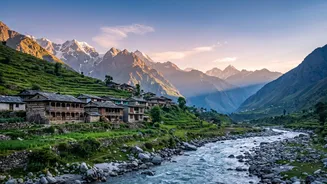
For decades, travellers to the sacred Badrinath temple would often venture a few kilometres further to visit Mana, a village perched at an altitude of 3,200 metres near the Indo-Tibetan border. It was widely known by a compelling but isolating moniker:
'The Last Indian Village'. A signboard proudly announced this status, marking the end of the road. However, that narrative has been officially overturned. The Border Roads Organisation (BRO) installed a new signboard rebranding Mana as 'The First Indian Village', a move endorsed by Prime Minister Narendra Modi. This change is more than just semantics; it's a deliberate reframing of how India views its border settlements—not as endpoints, but as the proud beginning of the nation.
A Village Steeped in Myth and Legend
Mana's significance transcends its geography. It is a place deeply woven into the fabric of Hindu mythology, particularly the epic Mahabharata. Legend holds that the Pandava brothers passed through Mana on their final journey to heaven. It is here that Bheem is said to have laid a massive stone slab across the roaring Saraswati river to create a bridge for Draupadi, a natural rock formation now known as 'Bheem Pul'. The village is also home to Vyas Gufa and Ganesh Gufa, the caves where it is believed Sage Vyasa dictated the Mahabharata to Lord Ganesha. This rich spiritual heritage, combined with its proximity to Badrinath, has always made Mana a place of reverence for pilgrims.
Strategic Importance and the 'Vibrant Villages' Initiative
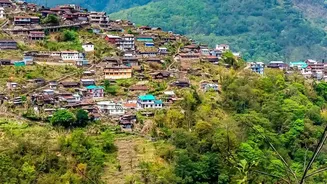
The 'First Village' designation is a key component of a larger strategic vision. The Indian government has launched the 'Vibrant Villages Programme', a centrally sponsored scheme designed to develop border villages in states like Uttarakhand, Arunachal Pradesh, and Sikkim. The core idea is that security and development are interlinked. By improving infrastructure, connectivity, and economic opportunities in these remote areas, the government aims to reverse out-migration and foster resilient communities that act as sentinels on the frontier. A thriving, populated border village is seen as a strategic asset, making Mana's transformation a model for national policy.
A Surge in Tourism and Local Prosperity
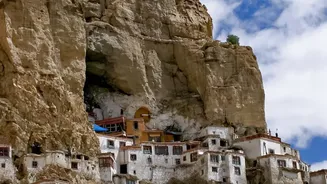
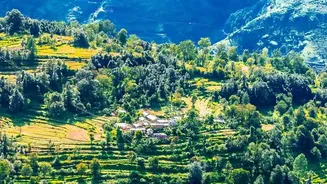
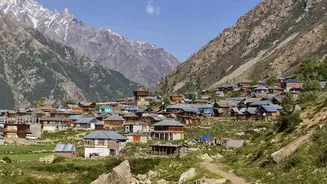
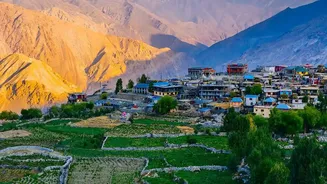
The new title has proven to be a powerful magnet for tourism. The 'First Indian Village' label has captured the imagination of travellers, leading to a significant spike in visitor numbers. Tourists who once saw it as a geographical curiosity now visit with a renewed sense of patriotic pride. This boom has transformed the local economy. Many of the village's traditional stone houses have been converted into homestays and shops, offering a more authentic experience for visitors. The local Bhotiya community, known for their exquisite woollen crafts, now has a larger market for their shawls and carpets. This economic upliftment has created new employment opportunities and is helping to improve the quality of life for residents.
Challenges of newfound fame
While the increased focus has brought prosperity, it also presents challenges. The fragile Himalayan ecosystem is vulnerable to the pressures of mass tourism. Recent incidents of tourists littering the sacred Saraswati River have sparked concern and highlighted the need for responsible and sustainable tourism practices. As Mana continues to grow as a 'Tourism Village', balancing economic benefits with environmental preservation will be crucial. The government's redevelopment plans include beautification projects, better sanitation, and infrastructure upgrades aimed at managing the increased footfall while preserving the village's unique character.