


A Foundation of Fragility
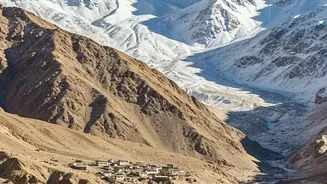
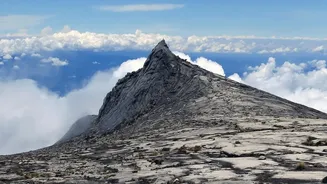
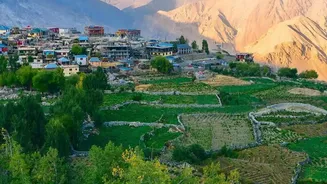
To understand the hazards of the Himalayas, you first have to appreciate the mountains themselves. Geologically, they are infants. Formed by the ongoing collision of the Indian and Eurasian tectonic plates, the range is still rising, making it inherently
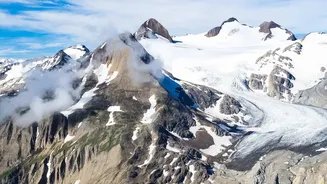
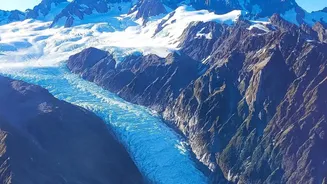
unstable. This constant geological stress results in fractured, weak rock formations and steep, unconsolidated slopes. Often called the “Third Pole,” this region contains the largest concentration of ice and snow outside the polar regions. This combination of unstable geology and vast frozen water reserves creates a perfect storm for a range of sudden, interconnected dangers that are becoming more frequent and intense.
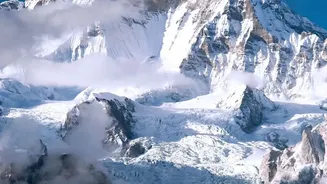
Avalanches: When Snow and Ice Unleash
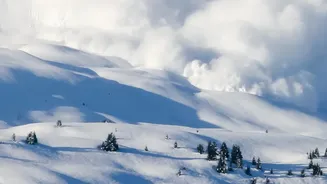
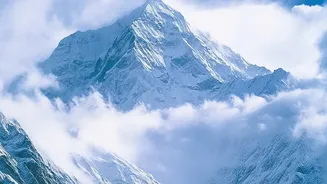
An avalanche is a rapid flow of snow down a mountainside. In the Himalayas, these can be triggered by heavy snowfall, wind, earthquakes, or even just the internal weakening of the snowpack. There are different types, but two are particularly notable. Slab avalanches occur when a cohesive layer of packed snow breaks loose and slides over a weaker layer underneath. Powder snow avalanches, a mix of snow and air, can move at incredible speeds. Large avalanches don't just carry snow; they gather ice, rocks, and trees, increasing their destructive power. Sometimes, entire sections of a glacier can collapse, triggering a catastrophic ice avalanche that transforms into a debris flow, as seen in the 2021 Chamoli disaster in Uttarakhand.
Flash Floods and GLOFs: The Water Bombs
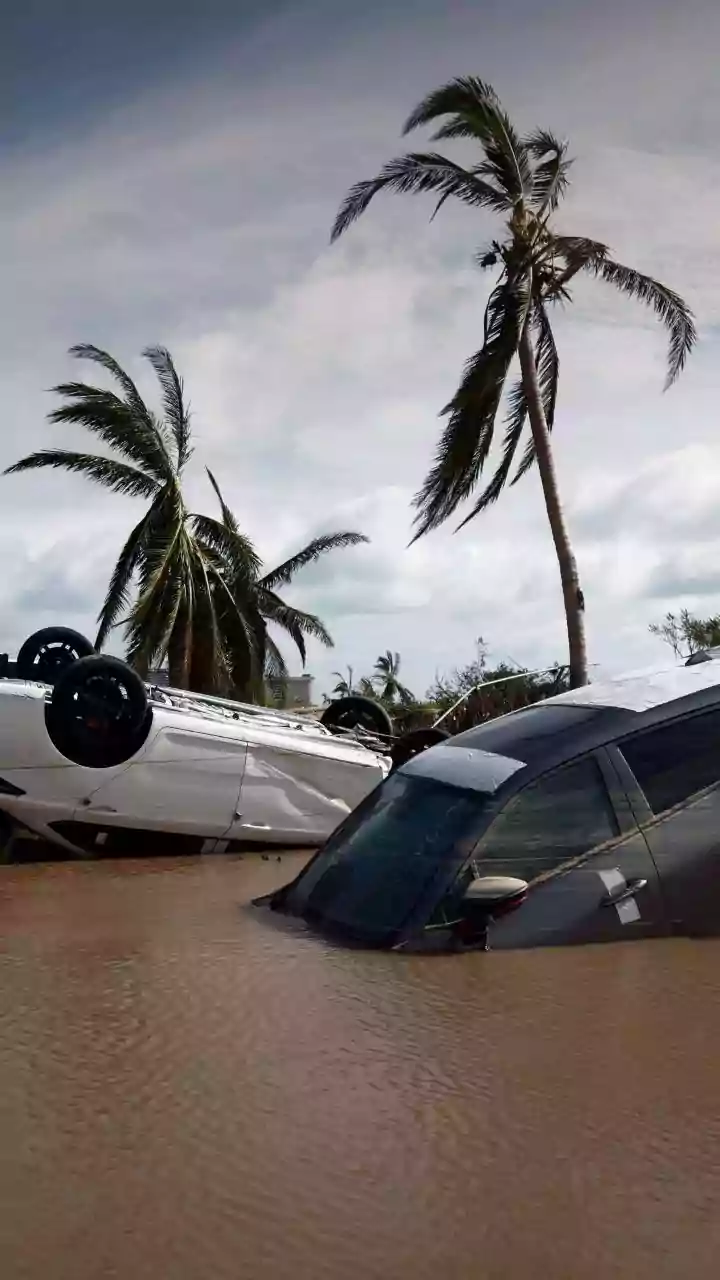
Not all floods are created equal. While intense rainfall can trigger flash floods in any mountainous area, the Himalayas face a unique and terrifying threat: Glacial Lake Outburst Floods (GLOFs). As glaciers melt and retreat due to rising temperatures, they leave behind depressions that fill with meltwater. These newly formed lakes are often dammed by unstable walls of loose rock and sediment called moraines. When these natural dams fail—due to overfilling, a landslide splashing into the lake, or an earthquake—they release an enormous volume of water in an instant. These GLOFs are like high-altitude water bombs, sending a torrent of water, mud, and boulders downstream, capable of wiping out villages and infrastructure with little warning. The 2023 Sikkim flood was a tragic example of a GLOF's destructive power.
Landslides: When the Slopes Give Way
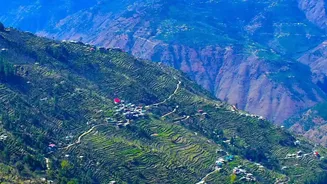
Landslides are a constant threat in the Himalayas, where steep slopes and fragile geology are widespread. They can be triggered by several factors. Intense monsoon rains saturate the soil, weakening its integrity and making it prone to collapse. Earthquakes can shake loose vast quantities of rock and debris. Furthermore, human activities play a significant role. Unplanned road construction, deforestation for agriculture, and the development of towns in vulnerable areas can destabilize slopes, dramatically increasing the risk of landslides. A single landslide can have cascading effects, such as damming a river to create a temporary lake that can later burst, causing another flood downstream.
A Compounding Crisis of Climate and Development
These hazards do not exist in isolation. They are part of a complex, cascading system where one event can trigger another. An earthquake can cause a landslide, which can block a river and lead to a flood. Climate change acts as a force multiplier across this entire system. The Himalayan region is warming at nearly twice the global average, accelerating glacier melt and making GLOFs more likely. It is also leading to more erratic and extreme rainfall, which triggers more landslides and flash floods. Simultaneously, as populations grow, roads, towns, and hydropower projects are increasingly built in valleys and other high-risk zones, putting more people and critical infrastructure directly in the path of these amplified hazards.