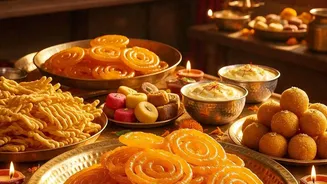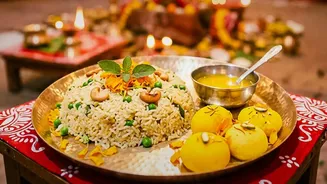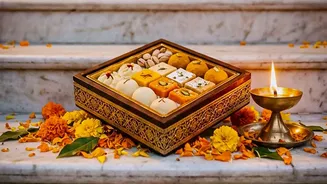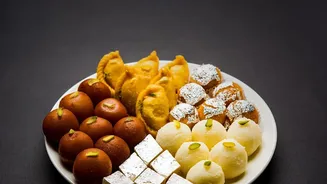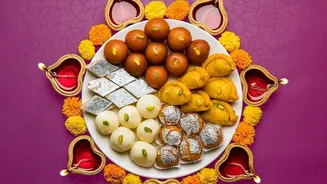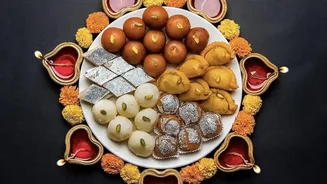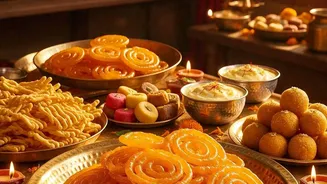




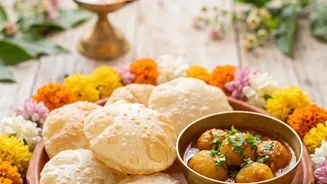

Diwali is a time of joy, light, and an abundance of delicious food. But the endless array of mithai and fried snacks can be a concern for the health-conscious. The good news is you can fully enjoy the festivities without sidelining your wellness goals.
Embrace Mindful Indulgence
The key to a healthy Diwali is not deprivation, but awareness. Mindful eating encourages you to be present and savour each bite, which can prevent overeating. Instead of mindlessly grazing on every sweet in sight, choose one or two of your absolute favourites. Eat slowly, putting your fork down between bites to truly appreciate the flavours and textures. This practice helps your brain register fullness, making you less likely to overindulge. Rather than eating standing up at a party, sit down and focus on your plate. This small shift helps you enjoy your food more and listen to your body’s cues, stopping when you feel satisfied, not stuffed.
Smart Swaps in the Kitchen
Preparing sweets at home gives you complete control over the ingredients. One of the easiest and most effective changes is to replace refined white sugar. Natural sweeteners like jaggery, dates, and figs can provide the desired sweetness along with added nutrients like iron and fibre. Date and nut laddoos, for instance, are sweetened naturally and packed with protein and healthy fats. You can also make ingredient swaps in traditional recipes. Using whole-wheat flour or millet flour like ragi instead of refined flour (maida) adds fibre. Similarly, opting for baked or air-fried versions of snacks like samosas and gujiyas significantly reduces the fat content compared to deep-frying.
Reimagining Traditional Mithai
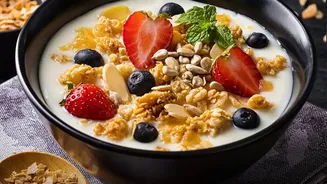
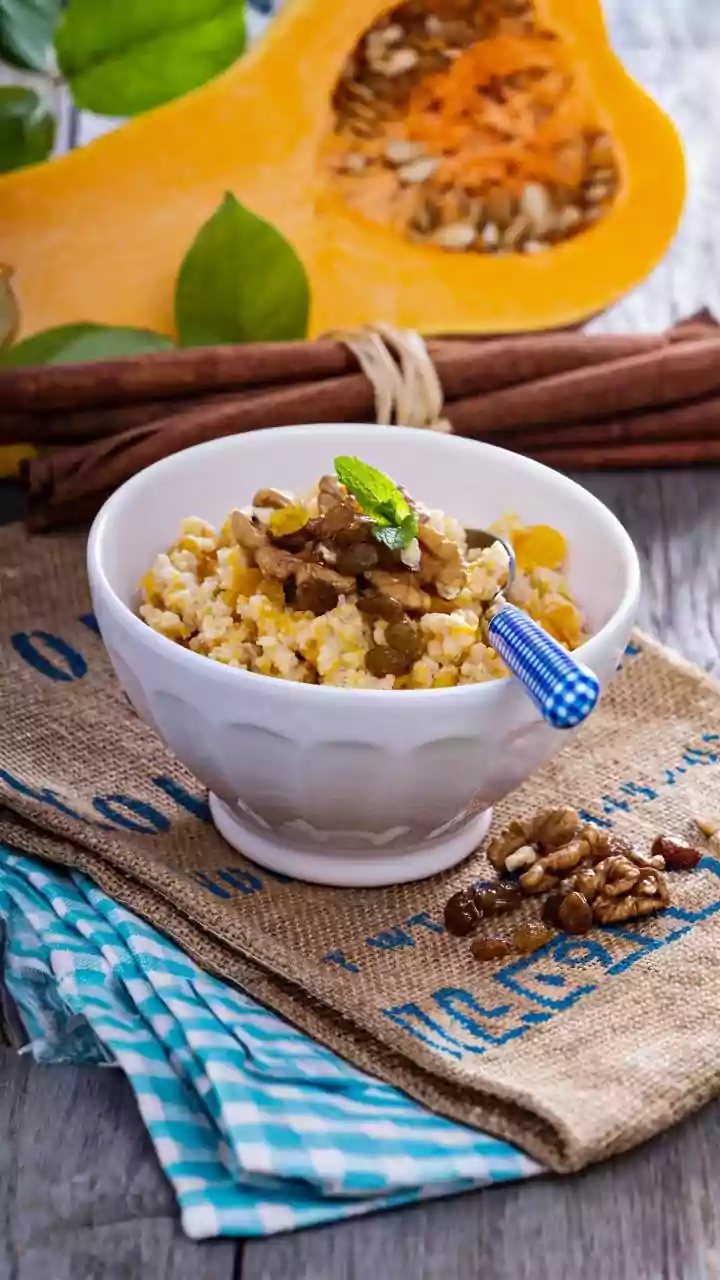
Many beloved Diwali sweets can be given a healthy makeover. For a lighter Gajar Halwa, swap sugar for jaggery, which lends an earthy sweetness. Kheer can be made with oats or quinoa instead of rice for a protein-packed dessert, sweetened with fruit pulp or a touch of honey instead of sugar. You can also make barfis using wholesome ingredients like coconut, almonds, or anjeer (figs), which are naturally rich and require less added sugar. Dry fruit laddoos, made by blending nuts and dates, require no added sugar at all and are a powerhouse of energy. These alternatives prove that you don't have to sacrifice flavour for health.
Master Portion Control and Timing
Festive feasting can often lead to eating far more than usual. A simple strategy is to use a smaller plate, which naturally helps control portion sizes. When building your meal, fill at least half your plate with vegetables and protein—like salads, dal, or paneer—before adding richer dishes. This ensures you get essential nutrients and feel full on less. Try to eat sweets in small portions, perhaps just one piece a day, and ideally after a meal to avoid sharp spikes in blood sugar. Politely declining a second helping is also perfectly acceptable; respecting your body is as important as respecting your host.
Balance Sweets with Savouries and Water
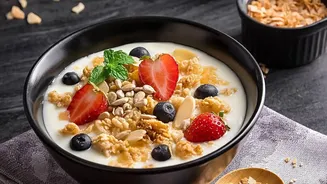
Don't let sweets dominate your festive plate. Balance your intake with healthy savoury snacks. Roasted makhana (fox nuts), a handful of nuts like almonds and walnuts, or baked chana are excellent choices that provide protein and fibre, keeping you full and satisfied. It's also crucial to stay hydrated. Often, we mistake thirst for hunger. Drinking plenty of water throughout the day can help manage cravings, aid digestion, and flush out toxins. Keep water as your main beverage and treat sugary drinks as an occasional indulgence.