




Tomatoes: The Cold Saps Their Soul
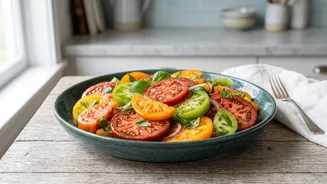
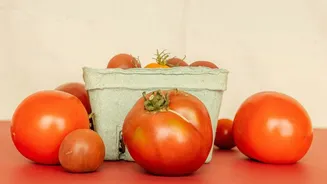
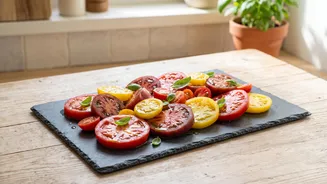
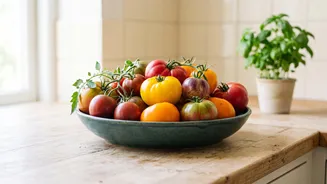
A sun-ripened tomato is a taste of summer, but the refrigerator can turn it into a bland, mealy shadow of its former self. The science is clear: chilling tomatoes below certain temperatures permanently halts the enzymes that create their signature aroma
compounds. While the fruit will still have its basic sugars and acids, the complex, volatile chemicals that you smell and taste as 'tomato flavour' are significantly reduced. The cold also damages the cell walls, leading to that unpleasantly mushy texture. For the best taste, keep whole tomatoes on the counter out of direct sunlight. The only exception is if a tomato is perfectly ripe and you need to buy an extra day or two; in that case, refrigeration is a last resort, but let it return to room temperature before eating to reclaim some flavour.
Potatoes: A Sweet and Gritty Mistake
Storing potatoes in the fridge is a common mistake that leads to a phenomenon called 'cold-induced sweetening'. The cold temperature triggers an enzymatic reaction that converts the potato's starches into sugars like glucose and fructose. This gives them an unpleasantly sweet taste and a gritty texture once cooked. It also causes them to brown or even turn black much faster when fried or roasted, as the excess sugars react with amino acids at high heat. The ideal storage spot for potatoes is a cool, dark, and dry place with good ventilation, like a pantry or cellar, not the cold, humid environment of a refrigerator.
Onions and Garlic: A Recipe for Sprouting and Spoilage
Whole, unpeeled onions and garlic thrive in a cool, dark, and well-ventilated space, which is the opposite of a cold, humid refrigerator. The moisture in the fridge can cause them to soften, sprout, or develop mould much more quickly. For long-term storage, keep them in a mesh bag, basket, or open paper bag in a pantry. It is also important to store them separately from other produce, especially potatoes, which release moisture that can accelerate spoilage in onions. Once an onion or garlic clove is cut or peeled, the rules change. At that point, they should be stored in an airtight container in the fridge to preserve them and prevent their strong odours from permeating everything else.
Bread: The Fast Track to Stale
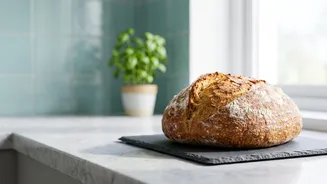
It seems counterintuitive, but refrigerating bread actually makes it go stale faster. Staleness isn't about drying out; it's a chemical process called starch retrogradation, where starch molecules recrystallize and harden. This process happens most rapidly at cool, above-freezing temperatures—precisely the environment of a refrigerator. While the cold might slow mould growth, you are trading that benefit for a rapidly hardening, flavourless loaf. The best way to store bread you'll eat within a few days is at room temperature. If you need to keep it for longer, your freezer is the best option. Freezing almost completely halts the staling process, preserving the bread's texture and flavour far more effectively than the fridge.
Honey: From Liquid Gold to a Gritty Block
Honey is a natural preserver and does not need refrigeration. In fact, putting it in the fridge will only speed up the natural process of crystallization. Honey is a supersaturated solution of glucose and fructose, and over time, the glucose tends to separate from the water and form crystals. Cooler temperatures, like those in a refrigerator, accelerate this process, turning your smooth, pourable honey into a thick, grainy solid. While crystallized honey is still perfectly safe to eat, it's an unnecessary hassle. To keep your honey smooth and liquid, simply store it in a sealed container at room temperature in your pantry.
Melons and Stone Fruits: Halting the Ripening Process
For many fruits, including whole melons like cantaloupe and honeydew, as well as unripe stone fruits like peaches and plums, room temperature is essential for them to ripen properly. Placing them in the fridge too early stops the ripening process in its tracks, leaving you with a hard, less flavourful fruit. Research has even shown that watermelons stored at room temperature retain more of their antioxidants, like lycopene and beta-carotene, compared to refrigerated ones. The rule of thumb is to let these fruits ripen on the counter. Once they are fully ripe and fragrant, you can move them to the refrigerator to extend their life for a few more days. Remember, once any melon is cut, it must be refrigerated in an airtight container.