






As married women prepare for Karwa Chauth on October 29, 2026, the pre-dawn ritual of sargi takes center stage. This special meal is more than just food; it's a platter of love and blessings. But why are sweets a non-negotiable part of it?
The Tradition of Sargi
Sargi is the
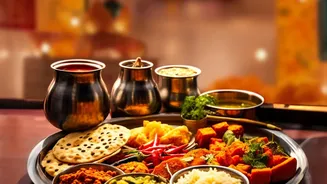
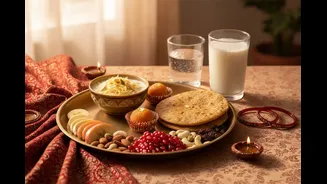
sentimental and strategic meal consumed before sunrise on the day of Karwa Chauth. Traditionally, it is a thali of food and gifts prepared by a mother-in-law for her daughter-in-law. This act symbolises her blessings for a successful fast and a happy, prosperous married life. The meal is eaten during the Brahma muhurta, typically between 4 and 5:30 AM, before the day-long nirjala fast (a fast without food or water) begins. While modern family structures mean many women now prepare their own sargi, the essence remains the same: it is an expression of care, tradition, and familial bonds.
A Symbol of Sweet Beginnings
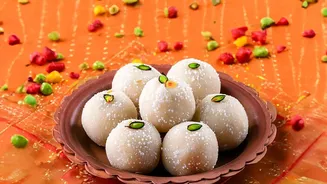
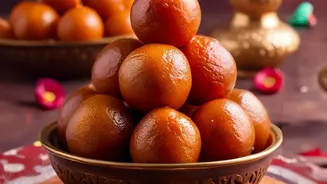
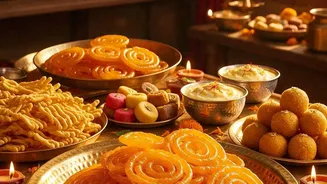
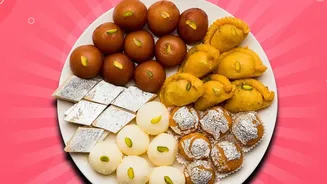
In Indian culture, no festival or auspicious occasion is complete without mithai, or sweets. Sweets signify joy, happiness, and good fortune. Including them in the sargi thali is a way of wishing sweetness and harmony in the marital relationship. It is a deeply ingrained cultural symbol that sets a positive and celebratory tone for the day of fasting. The act of starting a challenging day with something sweet is believed to usher in positive energy and bless the endeavour. This ritual transforms the meal from mere sustenance into a spiritually charged custom, reinforcing the affectionate bonds within the family.
The Science of Sustenance
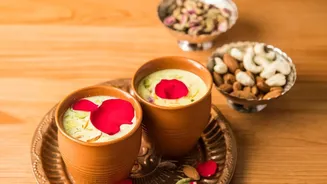
Beyond the beautiful symbolism, there is a practical reason for including sweets in the sargi. The Karwa Chauth fast is rigorous, lasting from sunrise until moonrise without any food or water. The body needs a reliable source of energy to endure these long hours. Sweets, rich in carbohydrates and sugar, provide a quick burst of energy to kickstart the day. This initial fuel helps prevent the fatigue, dizziness, and headaches that can accompany a strict fast. While a balanced sargi also includes complex carbohydrates, proteins, and healthy fats for slow-release energy, the simple sugars from sweets offer that immediate boost needed in the early morning hours. Traditional sweets like pheni (a fine vermicelli), often soaked in milk, are popular because they are both energising and hydrating.
A Balanced Thali
A wellthoughtout sargi is not just a plate of sweets. It is a balanced meal designed for endurance. The sweetness from mithai, such as laddoos or barfis, is complemented by other items. Fresh fruits like bananas and pomegranates provide natural sugars, vitamins, and hydration. Dry fruits and nuts like almonds and walnuts offer healthy fats and protein, keeping you feeling full for longer. Savoury items like mathri (a flaky, fried biscuit) or a light paratha provide complex carbohydrates for sustained energy. This combination ensures that the body receives a mix of quick and slowrelease energy, helping to maintain stable blood sugar levels and making the fast more manageable.
A Timeless Ritual in a Modern World
Even as lifestyles evolve, the core components of the sargi thali have remained remarkably consistent. The inclusion of sweets continues to be a cherished part of the tradition. While some may opt for healthier alternatives like dateandnut laddoos or fruitbased sweets, the gesture of including something sweet remains. It is a testament to the beautiful blend of practicality and profound cultural meaning that defines the festival. The sweet taste of the sargi is a reminder of the love from family and the sweetness of the marital bond that the fast celebrates.