




The Current Situation: Water Levels and Official Advisories
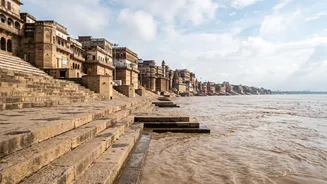
As of early September 2026, the Ganga's water level in Varanasi has risen above the warning mark of 70.26 meters and continues to rise. Reports from September 3rd showed the river at 70.54 meters and climbing at a rate of 2 centimeters per hour. The official
danger level is 71.26 meters. In response, the district administration is on high alert, actively monitoring the situation and establishing relief camps for affected residents. The Varuna river, a tributary, is also flooding, affecting several low-lying residential areas. Authorities are urging both residents and tourists to exercise extreme caution.
Boat Rides and Ghat Access Are Suspended
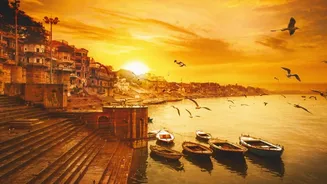
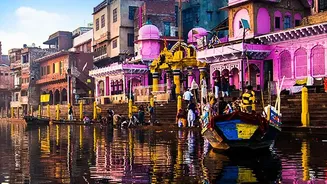
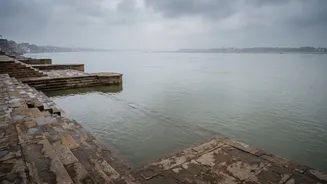
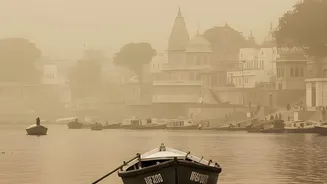
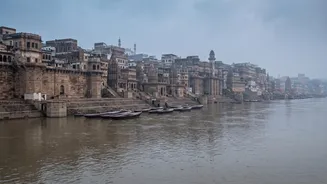
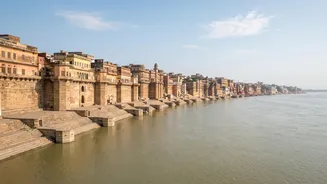
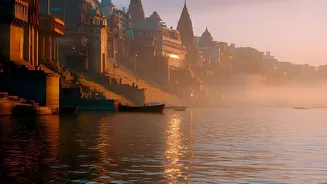
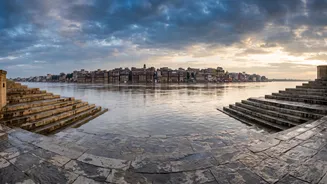
A key part of any Varanasi visit, boat tours on the Ganga, have been completely suspended by the local administration as a safety precaution. The strong currents and high water levels make boating extremely hazardous. Tourists should heed these warnings and avoid any unauthorized boat rides, no matter how tempting. The rising waters have also submerged the lower steps of most of the city's 84 ghats, making the continuous walkway along the river impassable in many sections. Police have been deployed to prevent people from venturing into dangerous, waterlogged areas of the ghats.
How Rituals Like the Ganga Aarti Are Adapting
The world-famous evening Ganga Aarti at Dashashwamedh Ghat continues, but not in its usual location. With the main platform submerged, organizers have moved the elaborate ritual to the rooftop of the adjacent Ganga Seva Nidhi office. This is a common practice during the monsoon floods to ensure the ceremony proceeds safely. Similarly, cremations at the major Manikarnika and Harishchandra ghats have been forced to move to higher platforms and nearby rooftops as the traditional grounds are underwater.
Health, Safety, and Getting Around
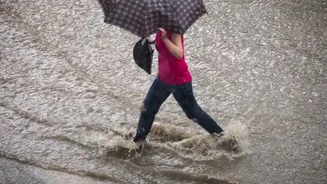
Navigating the city, especially the narrow lanes of the old town, can be challenging. Expect waterlogging in some areas, which can make walking difficult and slow down auto-rickshaws. Cycle-rickshaws are often a better option for getting through partially flooded streets. The most significant health concern during this time is the increase in mosquito-borne illnesses like dengue and malaria, so using a strong repellent is highly recommended. Be extremely careful on any accessible ghat steps, as they can be very slippery with moss and silt.
Should You Cancel or Postpone Your Trip?
Whether to visit Varanasi right now depends on your priorities. If your heart is set on a sunrise boat ride and leisurely walks along the ghats, this is not the ideal time. However, the city is far from closed. The temples, including the main Kashi Vishwanath temple, remain open and accessible. Markets are bustling, and exploring the city's less-crowded higher ground offers a different perspective. Sarnath, the nearby Buddhist pilgrimage site, is also open and often looks particularly lush and green during the monsoon. Travelers who don't mind the rain and are prepared to be flexible can still have a meaningful visit, often with the added benefit of off-season hotel discounts and fewer crowds. With more rain in the forecast, the situation is dynamic, so checking local news and official bulletins before you travel is essential.