




Why Monsoon Demands Extra Vigilance
The rainy season creates a perfect storm for contamination. High humidity and moisture accelerate the growth of bacteria like Salmonella and E. coli, which thrive in these conditions. Heavy rainfall can lead to contaminated water sources, which may be
used to wash produce at markets, increasing the risk of illness. This contaminated water, combined with poor drainage and unhygienic conditions at some stalls, makes it easier for germs to spread from the farm to your kitchen. As a result, foodborne illnesses such as diarrhoea, cholera, and gastroenteritis see a spike during these months.
Step 1: Inspect Before You Buy
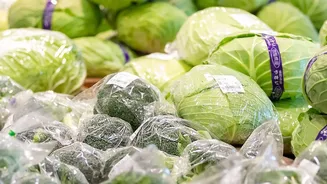
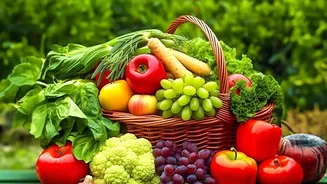
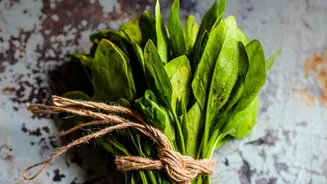
Your first line of defence is a careful inspection. When buying fruits and vegetables, choose wisely. Opt for produce that is firm, brightly coloured, and free from any visible signs of damage like cuts, bruises, or soft spots. Avoid vegetables that appear wilted or have any mould. Leafy greens such as spinach and cabbage require extra scrutiny, as dirt and germs can easily get trapped within their leaves. It's also a good practice to buy produce in smaller batches more frequently, rather than stocking up for weeks. This ensures you are always using the freshest ingredients available and reduces the chance of spoilage at home.
Step 2: The All-Important Washing Ritual
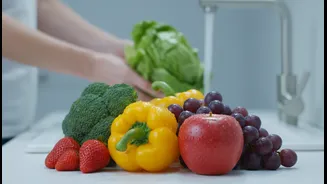
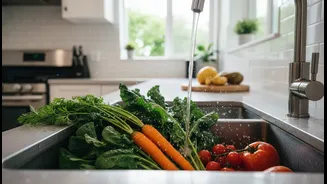
Proper washing is non-negotiable, especially during the monsoon. Simply rinsing under water may not be enough. For most vegetables, start by washing them thoroughly under clean, running water. For leafy greens, a more rigorous process is recommended. Soak them in a bowl of water with a little salt or vinegar for about 15 minutes. This helps dislodge dirt and kill some of the surface microbes. After soaking, rinse them again under fresh running water. For fruits with thick, inedible peels like bananas and oranges, the edible part is generally safer, but it's still good practice to wash the outside before you peel to prevent transferring germs from the peel to the fruit.
Step 3: Cook to Conquer Contaminants
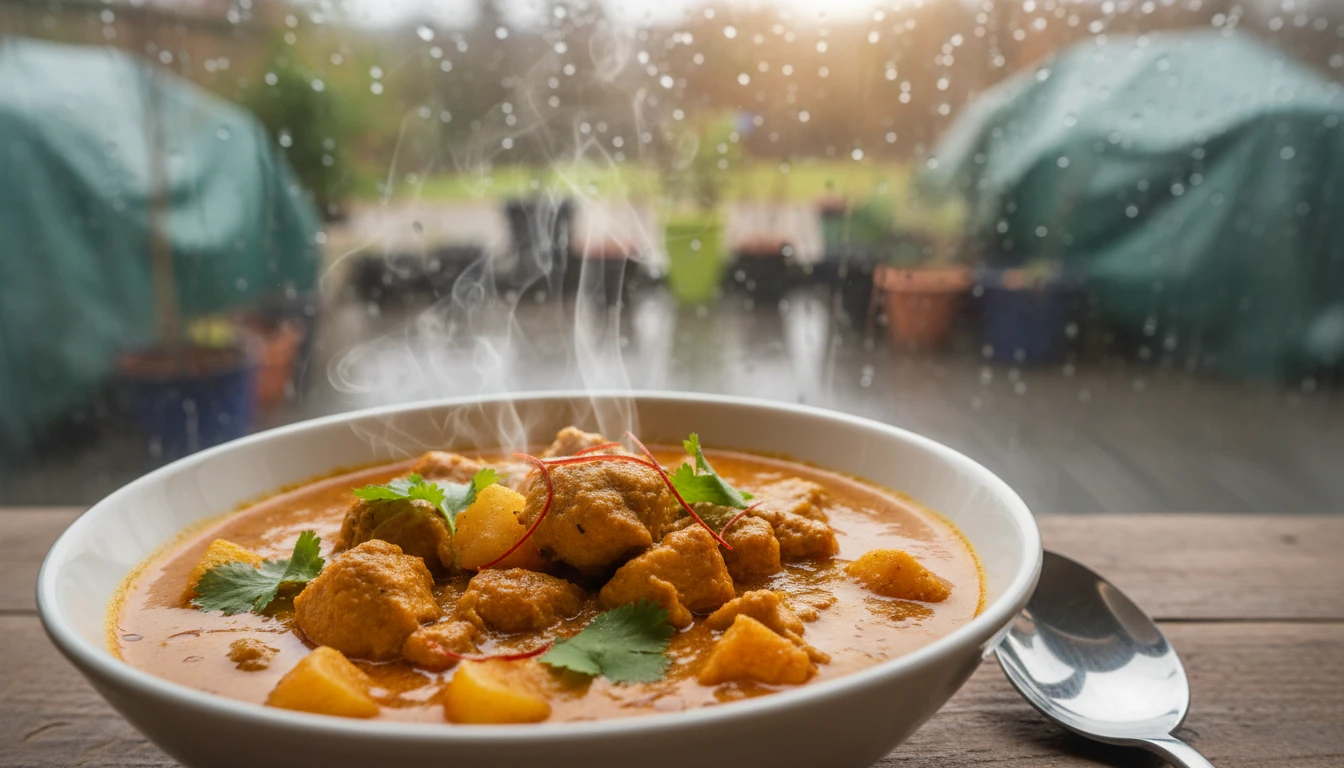
Cooking your food is one of the most effective ways to eliminate harmful pathogens. While a raw salad can be refreshing, it's a riskier choice during the monsoon. Health experts advise limiting the intake of raw foods and instead opting for cooked preparations. Steaming, stir-frying, or adding vegetables to soups and curries not only kills dangerous bacteria but also makes them easier to digest—a bonus since the digestive system can be more sensitive during this season. If you do choose to eat a salad, ensure it's prepared freshly at home with produce that has been meticulously cleaned. Cooking vegetables thoroughly is your best defence against foodborne pathogens that may have survived the washing process.
Smart Storage and Kitchen Hygiene
Your safety routine doesn't end with cooking. Proper storage is crucial to prevent cross-contamination and spoilage. Always wash your hands with soap before and after handling food. Use separate cutting boards for raw produce and meats. Store vegetables in breathable bags in a clean refrigerator to allow air circulation and prevent moisture buildup. Leftovers should be refrigerated promptly in airtight containers and reheated thoroughly before consumption. Avoid leaving cut fruits and vegetables out in the open, as this exposes them to contamination. By maintaining high standards of hygiene in your kitchen, you create a safer food environment for your family throughout the season.