




The Challenge of Traditional Fasting Foods
During Sawan, many devotees adhere to a sattvic diet, abstaining from grains, lentils, onions, garlic, and regular salt. The go-to fasting foods often include fruits, sabudana (tapioca pearls), and certain flours like kuttu (buckwheat) and singhara (water
chestnut). While these provide energy, they are predominantly carbohydrate-heavy. This can lead to quick energy spikes followed by crashes, leaving one feeling fatigued and frequently hungry. The missing piece in this traditional fasting plate is often sustained protein, which is crucial for maintaining muscle mass, ensuring satiety, and keeping energy levels stable throughout the day.
Paneer: The Fast-Friendly Protein Powerhouse
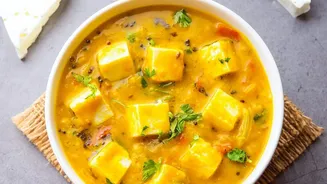
Paneer, or Indian cottage cheese, is a widely permitted food during Sawan fasts and an exceptional source of high-quality protein. A 100-gram serving can contain around 20 grams of protein, which is slow-digesting. This slow release of energy helps prevent the fatigue associated with fasting and keeps you feeling full for longer. Furthermore, paneer has a low glycemic index, which helps in regulating blood sugar levels and preventing the drastic energy fluctuations caused by high-carb meals. Being rich in calcium, it also supports bone health, making it a nutritional all-rounder for your vrat thali.
Simple Paneer Ideas for Your Vrat
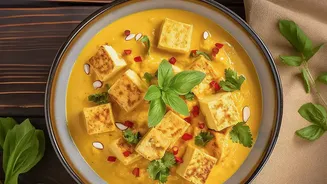
Incorporating paneer into your fasting menu is simple and versatile. You can prepare a quick stir-fry with cubed paneer, tomatoes, green chillies, and sendha namak (rock salt). For a more substantial meal, a light paneer curry using a tomato and ginger base, without onions or garlic, pairs well with kuttu puris or samak rice. Another popular option is to make paneer tikkis or rolls by mixing grated paneer with boiled potatoes, rock salt, and green chillies, using buckwheat flour as a binding agent, and then shallow-frying them in ghee. Even simple crumbled paneer seasoned with black pepper and rock salt can serve as a fulfilling and protein-packed snack.
Yoghurt: The Cooling and Gut-Friendly Ally
Yoghurt, or curd, is another fasting staple that is both cooling and incredibly beneficial. It is an excellent source of protein, calcium, and vital nutrients like Vitamin B12. The live probiotic cultures in yoghurt support gut health, aiding digestion and preventing issues like bloating, which can sometimes occur with changes in diet during fasting. Composed of about 80-85% water, yoghurt also plays a crucial role in maintaining hydration, which is essential for keeping energy levels up and preventing fasting-related headaches. Its cooling nature makes it a perfect addition to the monsoon-season diet of Sawan.
Refreshing Ways to Enjoy Yoghurt
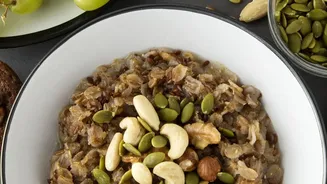
The easiest way to consume yoghurt is in its plain form or as a simple raita with grated cucumber. For a more refreshing treat, blend it into a sweet lassi or a fruit smoothie using vrat-approved fruits like bananas and apples. A bowl of yoghurt mixed with fresh fruits and a handful of nuts like almonds and walnuts makes for a complete, nutrient-dense mini-meal that provides protein, healthy fats, and natural sugars for energy. You can also make classic desserts like Shrikhand, a sweet and creamy dish made from strained yoghurt (hung curd), flavoured with cardamom and saffron. This allows you to satisfy sweet cravings in a healthier way.