


The Shock of Sudden Sunlight
Plants, much like people, get used to their environment. A plant that has been living in the filtered light of a nursery or your living room has grown leaves optimised for those lower-light conditions. When suddenly exposed to intense, direct sunlight,
its systems are completely overwhelmed. This sudden shift can cause a condition often called 'plant sunburn' or sun scorch. The plant's leaves, which are its engines for photosynthesis, cannot cope with the sheer intensity of the UV radiation. The cellular structures get damaged, chlorophyll can be destroyed, and the leaf tissue begins to die. It’s the equivalent of spending all winter indoors and then sitting on a sunny beach for eight hours without any protection – the results are painful and damaging. This shock can stunt a plant's growth for months or, in severe cases, be fatal.
Signs of Sun Stress and Damage
It’s crucial to recognise the warning signs that your plant is getting too much sun too quickly. The first signs are often subtle, known as sun stress, which can be reversible if caught early. This might include leaves looking a little pale or faded, or even developing reddish or purplish tints as the plant produces protective pigments. However, if the exposure continues, true sunburn will occur. Look for white, yellow, or tan patches appearing on the leaves, especially on the parts most exposed to the sun. The leaves might feel dry and crispy to the touch in these spots, almost like paper. In some cases, the entire leaf might wilt, even if the soil is moist, because the plant is losing water faster than its roots can absorb it. These scorched areas are permanent damage; the leaf will not turn green again.
The Art of 'Hardening Off'
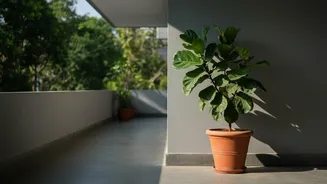
The correct way to move a plant to a sunnier location is through a gradual process called 'hardening off'. This technique allows the plant to slowly build up its tolerance to increased light, temperature, and wind. The process should take about one to two weeks. Start by placing the plant in its new, sunny location for just one or two hours in the early morning, when the sun is less intense. Then, move it back to its shady spot. Each day, gradually increase the amount of time it spends in the sun by an hour or so. It’s best to begin this on a mild or overcast day if possible. By slowly extending the duration of sun exposure, you give the leaves time to adapt and thicken their outer layers, making them more resilient to the stronger rays.
Not All Sun is Created Equal
In the Indian climate, understanding the difference between morning and afternoon sun is vital for plant health. The morning sun, up until about 11 a.m., is generally gentler and cooler. This is the ideal time for acclimatising most plants. The afternoon sun, from noon to late afternoon, is the most intense and can be scorching, especially during the hot summer months. Even sun-loving plants that have been hardened off can suffer in the direct, blazing heat of an Indian afternoon. When you are positioning your plants, consider this. A spot that gets full morning sun and then dappled or indirect light in the afternoon is often the perfect balance for many common household plants like hibiscus, jasmine, or bougainvillea once they are properly acclimatized.
Patience is a Gardener's Virtue
It’s important to watch your plant closely during the hardening off process. Pay attention to how the leaves are responding. If you notice any signs of wilting or paling, you may be moving too fast. Reduce the sun exposure for a couple of days before trying to increase it again. Also, remember that plants in direct sun will need more water. The heat and light will cause water to evaporate from the soil and transpire from the leaves more quickly. Check the soil moisture daily, especially in terracotta pots which dry out faster. Moving a plant is a test of patience, but the reward is a healthy, thriving specimen that can handle its new environment without going into shock. Even plants that thrive in full sun, like cacti and many succulents, benefit from a gradual introduction rather than an abrupt move.