

Beyond the Protein Fixation
The modern wellness conversation is dominated by a single, relentless instruction: eat more protein. It’s presented as the universal key to health, muscle gain, and weight management. This has turned food into a math equation, reducing rich culinary traditions
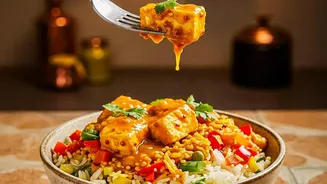
to mere grams and percentages. Paneer, in this context, is often stripped of its identity and presented simply as a ‘vegetarian protein source.’ While it is an excellent source of protein, with about 15-20 grams per 100g serving, to see it as only that is to miss the vibrant tapestry it belongs to. This narrow focus ignores the joy, culture, and history woven into our food, suggesting that a protein bar and a thoughtfully prepared meal offer the same value. They don't.
A Journey into Paneer's Past
The history of paneer in India is itself a fascinating story, with theories pointing to introductions by Afghan, Persian, and Portuguese settlers. The Portuguese are often credited with introducing the technique of curdling milk with acid to Bengal in the 17th century, which was initially considered taboo. This led to the creation of chhena, the soft, crumbly fresh cheese that is the heart of countless Bengali sweets and a few savoury dishes. The firmer, pressed version we know as paneer became a staple in North India, embraced by vegetarian kitchens as a versatile ingredient that could carry the region's robust flavours. It wasn't just a meat substitute; it was an ingredient with its own unique character.
The Sweet, Smoky Story of Chhena Poda
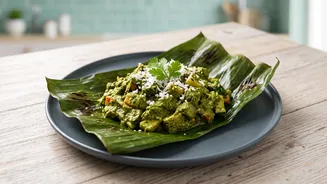
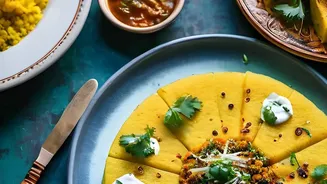
Travel east to Odisha, and you will find a story that has nothing to do with protein targets and everything to do with accidental genius. Here, chhena is transformed into Chhena Poda, which translates to 'burnt cheese.' Legend has it that in 1947, a confectioner named Sudarshan Sahu left sweetened, leftover chhena in a still-warm oven overnight. The next morning, he discovered the cheese had slow-baked into a caramelized, smoky, and utterly divine cake. Wrapped in Sal leaves and baked for hours, Chhena Poda has a beautiful dark crust and a soft, sweet interior. It is a celebrated dessert, so beloved that it is offered to Lord Jagannath and even has its own day of celebration on April 11th. This isn't health food; it's food for the soul.
Kashmir's Golden Lyodur Tschaman
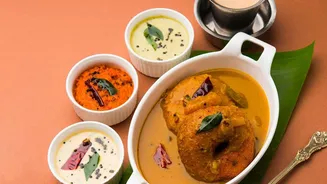
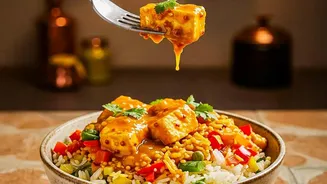
Moving north to Kashmir, we find a paneer preparation that defies the typical tomato-and-cream-laden gravies of the plains. Lyodur Tschaman is a testament to the distinct culinary identity of the valley. 'Lyodur' means yellow and 'Tschaman' means cottage cheese. This simple, elegant dish features paneer cubes simmered in a creamy, vibrant yellow gravy based on milk, yogurt, and, most importantly, turmeric. Aromatic spices like fennel and dry ginger powder provide a gentle warmth and complexity, without the fiery heat of many other Indian curries. It is a staple in Kashmiri Pandit households, a comforting and soulful dish that tells a story of place and tradition with every bite.
Bengal's Subtle and Savoury Chhanar Dalna
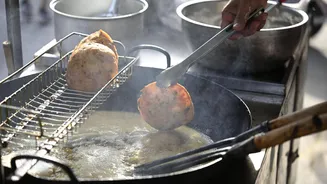
While Bengal is famous for its chhena-based sweets, its savoury preparations are equally compelling. Chhanar Dalna is a classic Bengali curry, often made without onion or garlic, making it a staple 'niramish' or vegetarian dish. Here, fresh, homemade chhana is not pressed into a firm block but shaped into small balls or discs, fried until golden, and then simmered in a light, flavourful gravy with potatoes. The curry is subtly spiced with a paste of ginger and cumin, and often has a hint of sweetness to balance the flavours. It’s a dish that celebrates the soft, delicate texture of fresh cheese, allowing it to soak up the gentle spices of the dalna, or light curry.
Food as Culture, Not Just Fuel
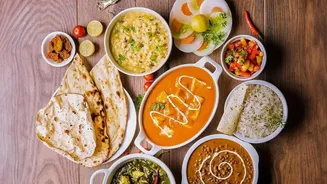
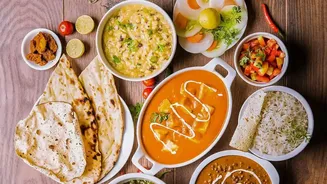
From Paneer Gassi in Mangalore, which adapts a coastal coconut-and-tamarind gravy, to the fiery Paneer Chettinad of Tamil Nadu, regional cuisines have embraced paneer and made it their own. Each dish is a narrative. It speaks of local spices, historical influences, and the specific tastes of a community. These stories are far more nourishing than the bland, one-size-fits-all advice to simply ‘eat protein.’ Reducing food to its functional components strips away its power to connect us to our heritage, to celebrate creativity, and to bring simple, profound joy. Our traditional plates already contain the balance and nutrients we seek, but they offer something more: a sense of identity.