




A Conservation Success Story
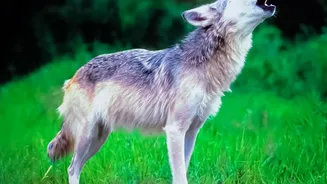
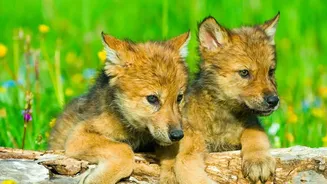
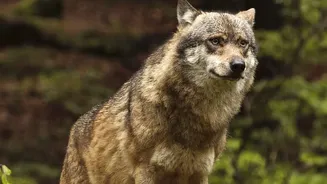
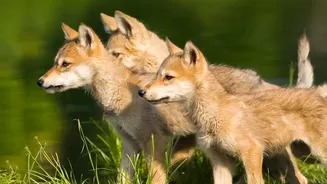
Across the continent, from the dense forests of Poland to the mountain ranges of Spain and Italy, wolf populations are rebounding. Thanks to decades of conservation efforts and legal protections under EU directives, wolf numbers have surged. A 2025 study
revealed that by 2022, Europe was home to at least 21,500 wolves, a staggering 58% increase in just a decade. This successful re-establishment in landscapes heavily shaped by human activity has paved the way for a unique form of eco-tourism, allowing travellers to experience a wilder side of Europe.
The Hills of Abruzzo, Italy
In the heart of Italy, the Abruzzo, Lazio and Molise National Park has become a prime destination for wolf enthusiasts. This rugged landscape of mountains and ancient beech forests is a stronghold for the Apennine wolf. Local operators offer multi-day excursions that focus on tracking and observation. However, these trips are about more than just a sighting. They are an education in ecology, teaching visitors to identify tracks in the snow, understand pack behaviour, and appreciate the delicate balance of the ecosystem. The experience is immersive, often involving early morning hikes to vantage points and quiet evenings listening for the iconic howl. It's a lesson in patience and respect for the wild.
Northern Exposure in Finland
Further north, Finland offers a different but equally compelling wolf-watching experience. Here, the landscape is one of vast taiga forests and frozen lakes, especially in winter. Tourism often centres around comfortable, strategically placed hides where visitors can watch for wildlife safely and without causing a disturbance. These hides are often baited to attract predators like wolves, wolverines, and bears, increasing the chances of a sighting. Photography is a major focus for many tours in this region, with operators providing expert guidance on capturing images of these elusive carnivores in their natural, often snow-covered, habitat.
Emerging Hotspots Across Europe
Beyond Italy and Finland, wolf tourism is taking root in other countries with recovering populations. Spain’s Riaño Mountains have become one of the most reliable places in Europe to see wolves, with local guides expertly scanning the open valleys. In Romania, the Carpathian Mountains provide a vast wilderness for tracking expeditions that also include opportunities to see bears and lynx. Poland's ancient Białowieża Forest offers a chance to see wolves in a primeval landscape they share with European bison. These destinations highlight a growing trend: tourism built not on guarantees, but on the possibility of a wild encounter.
The Ethics of the Encounter
The rise of wolf-watching brings with it important responsibilities. Ethical tourism is paramount to ensure that the animals are not disturbed and that the local communities benefit. Reputable tour operators work in small groups, are led by conservationists or expert naturalists, and often contribute a portion of their fees to local conservation projects. Organisations like the LIFE WolfAlps EU project have developed guidelines for responsible practices, covering everything from tracking to observation to minimise impact. The goal is to create a positive feedback loop where tourism supports the very animals and habitats that travellers come to see, turning the wolf from a perceived threat into a valuable economic asset for rural areas.