




A Stage for a Thousand Years
For centuries, Jemaa El-Fnaa has been the city's living room and its stage. Its name can be translated as 'assembly of the dead', a grim nod to its history as a site for public executions in the 11th century. But today, it is a celebration of life. Recognised
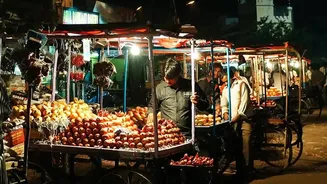
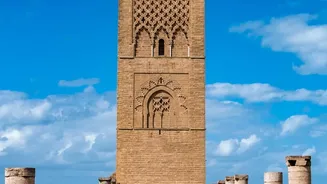
by UNESCO as a Masterpiece of the Oral and Intangible Heritage of Humanity, the square is a sanctuary for Moroccan cultural traditions. During the day, it's a relatively open space dotted with fresh orange juice carts and the hypnotic pipes of snake charmers. As the sun sets behind the nearby Koutoubia Mosque, however, a nightly transformation begins. In a matter of hours, over a hundred food stalls roll into place, creating a massive, smoky, open-air restaurant under the stars.
The Unforgettable Appeal
The allure of the square is its vibrant, unfiltered energy. It’s a feast for the senses. The air is thick with the scent of grilled meats, fragrant tagines, and sweet mint tea. Circles of spectators, known as 'halqa', form around charismatic storytellers, Gnaoua musicians with their rhythmic drums, and troupes of acrobats. This isn't a performance put on just for visitors; it's a continuation of a tradition where locals and travellers have gathered for generations. Finding a seat at one of the bustling food stalls to enjoy a bowl of harira soup or freshly grilled brochettes is a quintessential Marrakech experience. The sheer spectacle of lights, sounds, and smells creates a magical, almost overwhelming atmosphere that is the square's primary draw.
The Crushing Drawback
But the same elements that make Jemaa El-Fnaa so appealing are also the source of its drawbacks. The sheer density of the crowd, especially at night, can be intense and disorienting. For every enchanting performance, there is an aggressive tout trying to lure you into a restaurant or a 'fake guide' offering unsolicited help. These individuals often work on commission, leading unsuspecting tourists to overpriced shops. The constant need to be on guard can be draining. Henna artists are known to grab a visitor's hand and begin a design without consent before demanding a high price. Stallholders at the food market have been known to inflate bills or bring un-ordered dishes. This constant hustle transforms the magical atmosphere into a gauntlet of transactions, turning a cultural experience into a commercial one.
The Ethical Dilemma
Beyond the financial annoyances lies a more serious concern: the exploitation of animals. The iconic snake charmers and monkey handlers are a deeply problematic part of the square's spectacle. Animal welfare organisations have documented the poor treatment of these animals for years. Barbary macaques are often taken from the wild as infants, chained, dressed in clothing, and forced to pose for photos in a loud, stressful environment. Similarly, many snakes have their mouths sewn shut to prevent them from biting, leading to a slow death from starvation. For many visitors, witnessing this treatment casts a dark shadow over the entire experience, making it impossible to enjoy the square's other charms. This raises an ethical question for every tourist: does paying for these photo opportunities perpetuate the cycle of cruelty?