




A Second Home for the Unicorn
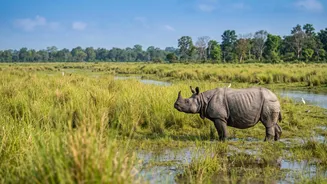
For centuries, the greater one-horned rhinoceros was overwhelmingly concentrated in Assam, particularly within Kaziranga National Park. While a conservation triumph in its own right, this placed the species in a vulnerable position, susceptible to disease
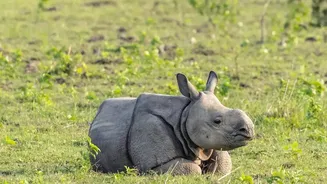
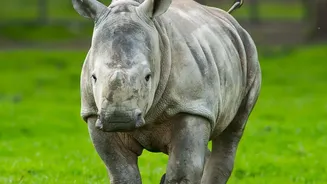
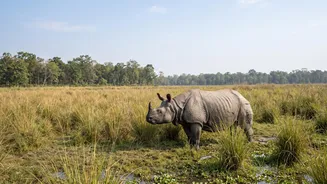
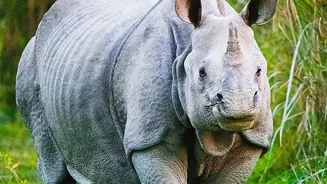
or catastrophic events. The establishment of a thriving, genetically diverse population in another state is therefore a monumental achievement. Dudhwa Tiger Reserve in Uttar Pradesh, part of the rhino's historical range, has become that second home. According to a census conducted in June 2026, the rhino population in Dudhwa has risen to 53 individuals, a testament to a long and arduous reintroduction effort. This makes Uttar Pradesh one of only three states, alongside Assam and West Bengal, to host a wild rhino population, securing a vital foothold for the species in the Terai grasslands.
A Journey Back in Time
The rhino's return to Dudhwa is a story that began over four decades ago. Having been wiped out from the region by the late 19th century due to hunting and habitat loss, an ambitious Rhino Rehabilitation Programme was launched in 1984. The first phase involved the translocation of five rhinos from Assam's Pobitora Wildlife Sanctuary. This initial effort faced significant setbacks, with some of the translocated animals not surviving the stressful transition. To bolster the fledgling population and improve genetic diversity, four more female rhinos were brought from Chitwan National Park in Nepal in 1985 in exchange for elephants. This small founder group of seven rhinos formed the seed from which today's success has grown.
From Fences to Freedom
For nearly 40 years, Dudhwa's rhinos lived within large, fenced enclosures known as Rhino Rehabilitation Areas (RRAs). This was a cautious but necessary strategy to protect them from poaching and to prevent conflict with humans in the densely populated Terai landscape near the India-Nepal border. These enclosures, covering areas of 27 sq km and 14 sq km, allowed the population to grow in a secure environment, monitored closely by forest department staff and conservation partners like WWF-India. The long-term goal, however, was always to rewild the animals. That dream started becoming a reality in late 2024, with the first phased releases of rhinos from the enclosures into the unfenced core areas of the reserve. As of March 2026, a total of 11 rhinos now roam freely, a crucial step towards establishing a truly wild and self-sustaining population.
Overcoming Modern Challenges
The journey has not been without its hurdles. The net increase in population has been achieved despite mortalities from territorial fights between males and predation by tigers on calves. These natural events, while unfortunate, are part of a functioning ecosystem. The larger challenges remain human-induced. Poaching, which decimated the original population, remains a constant threat that requires intensive ground patrols and intelligence gathering. As rhinos are released into the wild, the risk of them straying into nearby farms and villages increases, making community engagement and rapid response teams essential to mitigate human-wildlife conflict. To ensure the long-term health of the population, officials also use DNA analysis to select unrelated individuals for release, minimising the risk of inbreeding.
More Than Just Numbers
The success of the Dudhwa programme is not just a number, but a symbol of India's commitment to conservation. Rhinos are considered 'ecological engineers'; their grazing habits prevent tall grasses from dominating the landscape, thereby shaping a healthier habitat for other species. The thriving rhino population is an indicator of a healthy Terai grassland ecosystem, which also supports tigers, swamp deer, and elephants. The success at Dudhwa, achieved through decades of collaboration between the government, scientific institutions, and conservation organisations, now serves as a powerful model for rewilding initiatives across the globe. It is a story of persistence, careful science, and the long, slow work of restoring a lost natural heritage.