









Decoding the Core Data
The latest economic report card for June 2026 shows India's core infrastructure sectors hitting a five-month high growth rate of 5%. This data comes from the newly revised Index of Core Industries (ICI), which now tracks nine key sectors that form the bedrock
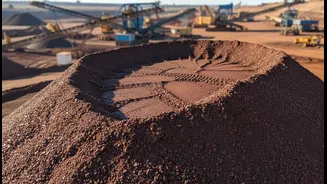
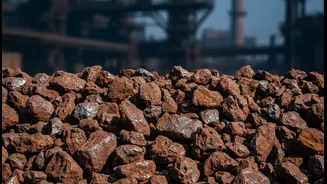
of the economy, with iron ore being a new addition. These sectors are coal, crude oil, natural gas, refinery products, fertilisers, steel, cement, electricity, and now, iron ore. While the overall growth is a positive sign, the story lies in the details. Cement, along with electricity, grew by a robust 9.8% year-on-year. However, the performance was uneven, with sectors like crude oil, natural gas, and fertilisers contracting during the same period.
Why Cement is a Critical Barometer
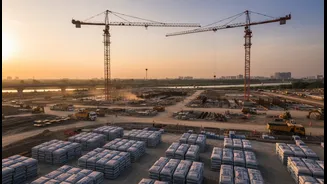
Cement is a foundational component of economic development, and its production levels serve as a real-time indicator of construction activity. When cement output is high, it means more roads, bridges, factories, and houses are being built. This activity is a major source of employment, particularly for semi-skilled and unskilled labour, creating a ripple effect across the economy. The 9.8% growth in June, following an 8.4% rise in May, points to sustained momentum in the construction sector. This demand is fuelled by two main engines: the government's push on large-scale infrastructure projects and the private sector's investment in real estate and commercial properties. A healthy cement industry suggests confidence from both public and private players in the economy's immediate future.
The Government's Infrastructure Push
A significant driver behind this growth is the government's unwavering focus on capital expenditure. Over the past decade, public spending on infrastructure has seen a dramatic increase, a trend that continued in the Union Budget for 2026-27. Programs like the National Infrastructure Pipeline (NIP) and PM Gati Shakti are designed to streamline and accelerate the creation of critical assets, from national highways to urban metro systems. This sustained public investment creates a predictable demand for materials like cement and steel, encouraging producers to ramp up capacity. The strong performance in June is partly a result of this continued spending, as construction companies rush to meet project targets, especially before the monsoon season intensifies and slows down work.
Reading Between the Lines
While the 9.8% figure is encouraging, it's important to consider the context. A significant portion of this growth can be attributed to pre-monsoon construction activity, where companies front-load their work before the heavy rains bring a seasonal lull. Economists will be watching closely to see how the sector performs in the July-September quarter. Furthermore, while demand is strong, cement producers face their own challenges. The cost of key inputs like coal and petcoke remains a concern, potentially squeezing profit margins. The strong performance in cement and electricity also contrasts with the contraction in sectors like natural gas and refinery products, highlighting an uneven recovery across India's industrial landscape.
What This Growth Means for You
On a macro level, robust infrastructure growth is a sign of a healthy and expanding economy. It suggests that India is on a solid path to achieving its long-term growth ambitions. For the average person, the effects are more tangible. The bustling construction activity supports job creation and stable incomes for millions of workers. A strong infrastructure backbone also leads to better connectivity, reduced travel times, and more efficient supply chains, which can help keep the prices of everyday goods in check. For those looking to buy a home or invest in property, this momentum in the construction sector can signal market stability. Ultimately, a bag of cement is not just for building walls; it is a foundational element for building a stronger, more prosperous national economy.