





The Foundation: Pilates and Core Stability
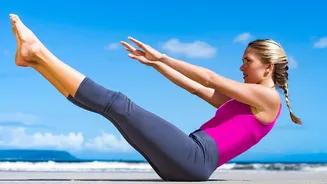
Pilates is renowned for its focus on building a strong core, often referred to as the 'powerhouse'. Its methodology centers on controlled, precise movements that target the deep, intrinsic muscles of your midsection. Think of muscles like the transverse
abdominis, which acts like a natural corset, and the multifidus, which supports the spine. A typical Pilates session emphasizes breath control, concentration, and slow, deliberate movements. This isn't about high-impact, explosive power; it's about building foundational stability from the inside out. The result is improved posture, better balance, enhanced body awareness, and a significant reduction in the risk of lower back pain and injury. By focusing on these stabilizing muscles, Pilates creates a solid, stable base upon which all other movement can be built.
The Action: Dynamic Circuit Core Training
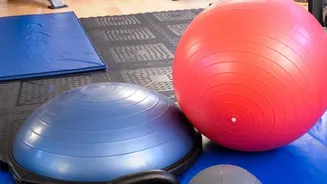
Dynamic circuit core training is the other side of the coin. Where Pilates is about stability, this approach is about movement and power. A dynamic circuit involves moving through a series of exercises with minimal rest, often incorporating movements that challenge your core while your body is in motion. Exercises might include medicine ball twists, cable chops, kettlebell carries, or plank variations with limb movement. This type of training focuses on the larger, more superficial core muscles—like the rectus abdominis (the 'six-pack' muscles) and the obliques—which are responsible for creating movement like flexing, extending, and rotating the torso. It trains your core to function as it does in real life and sports: transferring force, reacting quickly, and stabilizing the body during athletic, explosive movements.
Better Together: The Synergy of Both
So, why not just stick to one? While either method is beneficial, relying on one exclusively can lead to an imbalanced core. Someone who only does Pilates might have incredible stability but lack the power to transfer that stability into quick, athletic movements. Conversely, someone who only performs dynamic, high-intensity core work might build impressive superficial strength but neglect the deep stabilizing muscles, leaving them vulnerable to injury when under load. The magic happens when you alternate the two. Pilates builds the stable foundation and neuromuscular control. Dynamic circuit training then teaches that stable core how to handle and produce force during complex, multi-plane movements. It's a comprehensive approach: the stability work from Pilates protects your spine and allows you to perform the dynamic exercises more safely and effectively, while the dynamic work ensures your core strength is functional and athletic.
How to Structure Your Week
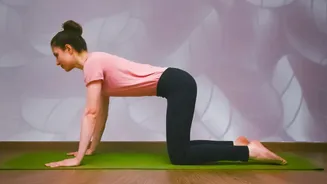
Implementing this strategy is straightforward. It's not about doing both workouts in the same session, but rather alternating them throughout your week to allow for proper focus and recovery. A balanced schedule might look something like this: - Monday: Pilates Stability Day. Focus on mat or reformer Pilates, with an emphasis on slow, controlled movements and deep core engagement. Exercises like the Hundred, roll-ups, and bird-dog variations are excellent choices. - Wednesday: Dynamic Circuit Core Day. Create a circuit of 4-6 exercises. Perform each for 45 seconds with 15 seconds of rest, and repeat the circuit 3-4 times. Include exercises like Russian twists, mountain climbers, and plank rows. - Friday: Another Pilates Stability Day or a hybrid session. This structure allows you to dedicate specific days to building each component of core strength. It ensures that you're not just building abs, but a truly resilient and capable midsection that supports every activity you do. Don't be afraid to vary the exercises to keep your muscles guessing and your workouts engaging.