

The Solo Cooking Dilemma
The familiar challenge for anyone cooking for themselves is that most recipes are designed for families of four or more. This often leads to a frustrating cycle: you either cook a large meal and face a monotonous week of leftovers, or you buy standard-sized
packets of fresh ingredients, only to see them wilt in the refrigerator before you can use them up. The effort can feel disproportionate to the reward, making takeout or simple snacks a tempting, but often less healthy and more expensive, alternative. This is where a shift in mindset from 'cooking a big meal' to 'planning smaller portions' becomes a game-changer.
Embrace the Half-Batch Strategy
The half-batch method isn’t just about halving a recipe at the last minute; it's a deliberate strategy that starts at the planning stage. It means thinking in single or double portions from the moment you decide what to eat. This approach, also known as small-batch cooking, encourages a more intentional relationship with your food. It allows you to prepare just enough for a meal or two, ensuring freshness and variety without the commitment to a week's worth of the same dish. It transforms cooking from a bulk-production task into a more manageable and enjoyable daily or semi-daily ritual.
The Tangible Benefits
Adopting this approach brings a wealth of advantages. The most immediate is a significant reduction in food waste. When you buy and cook only what you need for one or two servings, you minimise the chances of produce going bad or leftovers being forgotten. This, in turn, saves you money on groceries. Furthermore, it introduces much-needed variety into your diet. Instead of being locked into one dish, you are free to try new recipes or simply cook what you crave each day. Cooking smaller portions is also less work, requiring less prep time and, crucially, less cleanup, making the whole process feel more approachable.
Planning Your Portions
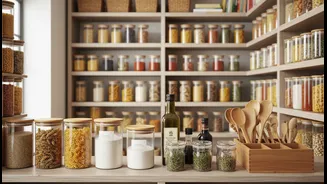
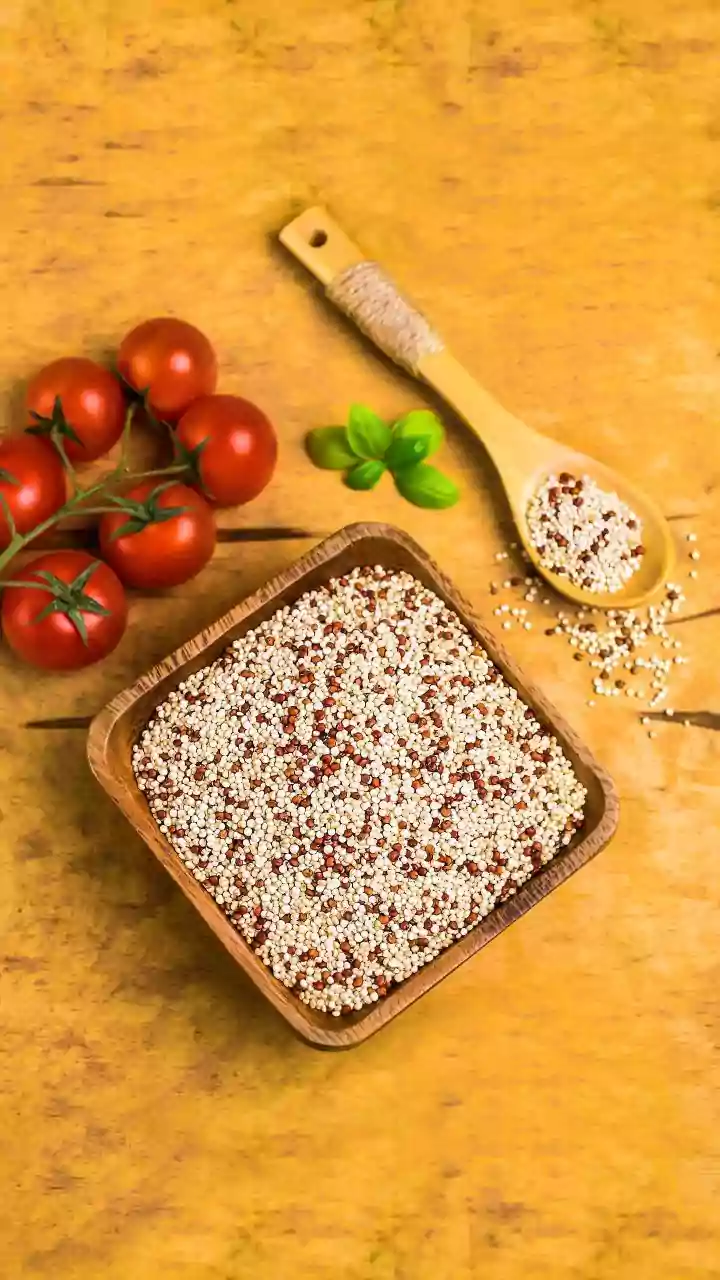
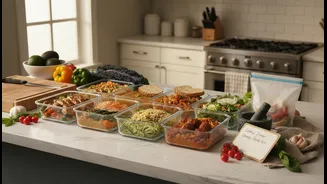
Success starts with a plan. Create a loose weekly menu with meals that might share one or two core ingredients. For instance, a head of cauliflower can be used for a small sabzi one night and roasted florets as a side another day. When grocery shopping, be purposeful. If you can, opt for farmers' markets or stores with bulk bins where you can buy exact quantities of grains, nuts, and spices. Make your freezer your greatest ally. If a recipe is difficult to scale down, make the full amount but immediately portion the leftovers into single-serving containers and freeze them. This works wonderfully for dals, curries, soups, and rice dishes. You can even pre-chop vegetables like onions and freeze them for quick use later.
Best Foods for Small Batches
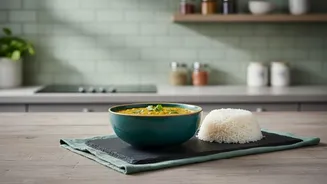
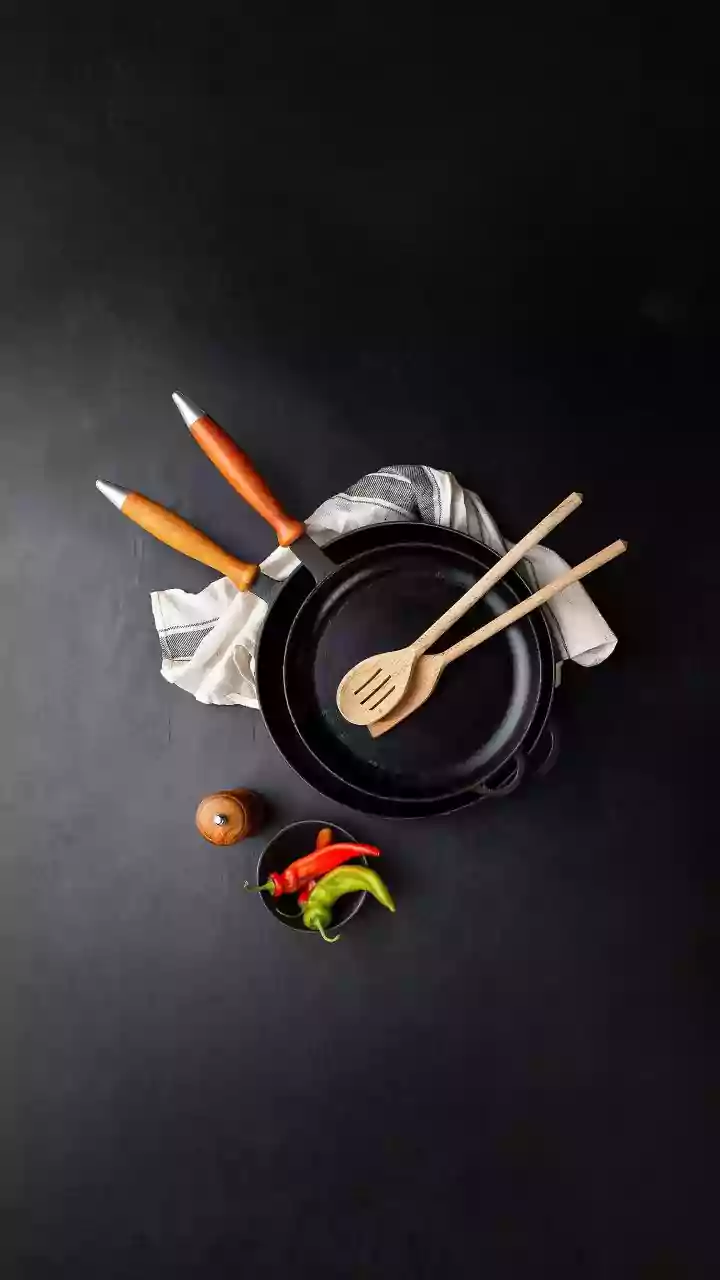
Some foods are naturally suited for scaling down. Eggs are a solo cook's best friend, perfect for quick scrambles, omelettes, or fried rice. Pastas, noodles, and stir-fries are easy to prepare in single portions. In an Indian context, many dals and sabzis can be cooked in smaller quantities. A small tadka dal or a quick paneer bhurji for one is simple to execute. Invest in smaller cookware, like a small kadai or saucepan, a mini baking dish, and a small frying pan, to make portion control even easier. These tools not only help with portioning but also make the cooking process more efficient. Experimentation is key; some recipes hold up better than others when downsized, so don't be afraid to try and see what works for you.