




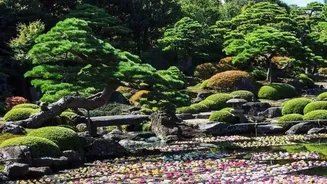

Shinjuku Gyoen, Tokyo: A World of Gardens
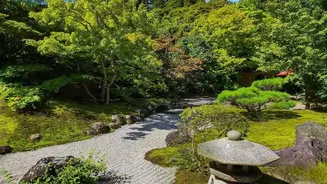
Just a short walk from the world's busiest train station, Shinjuku Gyoen National Garden is a 144-acre oasis offering a stunning escape from urban chaos. This park is unique for its masterful combination of three distinct garden styles. The traditional
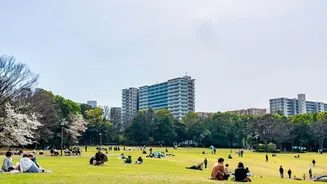
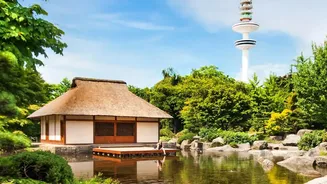
Japanese garden features large ponds with islands and bridges, manicured shrubs, and a charming teahouse. Nearby, the French Formal Garden presents romantic, symmetrical flowerbeds, while the English Landscape Garden offers wide, open lawns perfect for picnicking under towering trees. With over 1,000 cherry trees of various species, it provides an extended blossom-viewing season in spring. An entrance fee and a ban on alcohol ensure the atmosphere remains peaceful and family-friendly, making it a true retreat.
Kenrokuen, Kanazawa: The Perfect Landscape
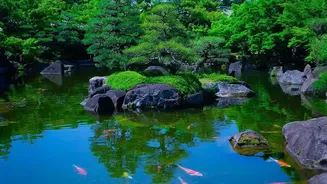
Often cited as one of Japan's three most beautiful landscape gardens, Kenrokuen in Kanazawa is a masterpiece of horticultural art. Its name means "Garden of the Six Sublimities," referring to the six essential attributes of a perfect garden: spaciousness, seclusion, artifice, antiquity, abundant water, and broad views. Developed over centuries by the Maeda clan, this strolling garden is designed to be beautiful in every season. Highlights include the iconic two-legged Kotojitoro Lantern, Japan's oldest fountain which operates on natural water pressure, and the large Kasumigaike Pond. In winter, the park is famous for its yukitsuri—ropes stretched from bamboo poles to protect tree branches from heavy snow, creating a striking conical pattern that is both functional and beautiful.
Arashiyama Bamboo Grove, Kyoto: An Otherworldly Path
While not a traditional park, the Arashiyama Bamboo Grove offers an immersive natural experience that feels worlds away from city life. Located in the scenic Arashiyama district on the outskirts of Kyoto, a walk along this path is enchanting. Thousands of towering bamboo stalks line the walkway, creating a dense, green canopy that filters the sunlight in a magical way. The sound of the wind rustling through the bamboo has been named one of the "100 Soundscapes of Japan" by the country's Ministry of Environment. To experience its serene atmosphere without the crowds, an early morning visit is highly recommended. The main path is free to access and open 24 hours a day, offering a unique and peaceful journey.
Nara Park, Nara: Where Nature and Deities Mingle
Nara Park offers a unique blend of nature, history, and friendly wildlife. This massive 660-hectare park is home to over 1,200 wild sika deer that roam freely. Considered messengers of the gods in Shinto tradition, the deer are a designated Natural Treasure and have become a symbol of the city. Visitors can purchase special crackers (shika-senbei) to feed them, and many deer have learned to bow to ask for a treat. Beyond the deer, the park encompasses some of Japan's most significant cultural landmarks, including the giant bronze Buddha at Todai-ji Temple and the thousands of lanterns at Kasuga Taisha Shrine. The combination of ancient temples, expansive lawns, and approachable wildlife makes Nara Park an unforgettable destination for all ages.