



The Rush-Hour Reality of a Timeless Land
Many of the common complaints about visiting Egypt—the overwhelming crowds, the intense midday heat, and the persistent vendors—are symptoms of a bigger issue: a rushed travel schedule. Tourists are often shuttled from one monumental site to the next
on a tight timeline, arriving alongside dozens of other tour buses during the busiest hours of the day. This frantic pace can turn a journey of wonder into an exhausting blur. Trying to see the Pyramids, the Egyptian Museum, Luxor, and Aswan in just a few days is a recipe for sensory overload, not deep appreciation. The problem isn't that the wonders aren't wonderful; it's that visitors are often given no time to actually absorb them.
Embracing the Slow Itinerary
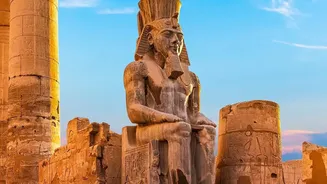
The antidote is simple: slow down. A slower itinerary doesn't mean seeing less; it means experiencing more. Instead of a one-day dash through Luxor, consider spending three or four days there. This allows you to explore the vast Karnak Temple complex in the cool of the early morning and visit Luxor Temple after sunset when it is beautifully illuminated and less crowded. Pacing your journey allows for spontaneous moments—lingering over a mint tea, exploring a local market without a deadline, or simply sitting by the Nile and watching the feluccas sail by. Egypt is a destination that rewards slowness, offering deeper connections to its history and culture when you give it time to breathe.
The Art of Strategic Timing
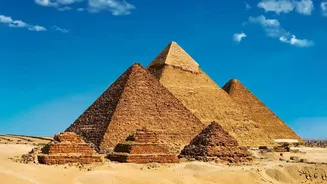
Your experience of Egypt's heritage sites can be dramatically different depending on when you go. The peak season, from October to April, offers pleasant, cooler weather, making it ideal for sightseeing. However, this is also when crowds are at their thickest. To find a better balance, consider the shoulder seasons of spring (March-April) and autumn (September-November), which offer good weather with fewer people. Even during peak season, timing your daily visits is crucial. Arriving at the Giza Plateau right when it opens or visiting the Valley of the Kings late in the afternoon can help you avoid the largest tour groups and the harshest sun. Many temples and museums that feel chaotic at 11 a.m. are serene and magical at 8 a.m. or 4 p.m.
Beyond the Postcard Monuments
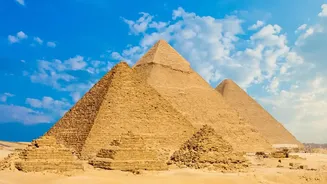
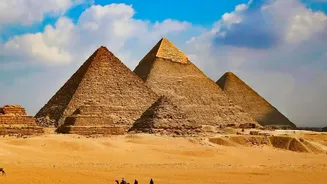
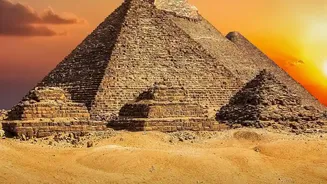
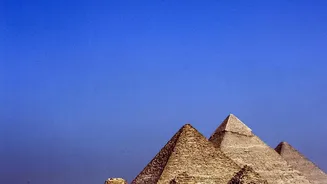
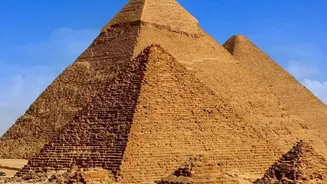
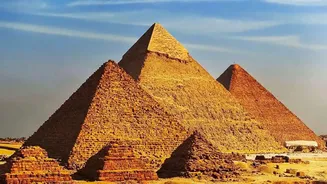
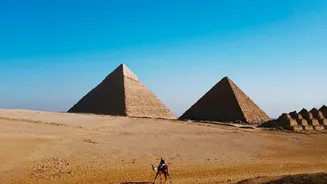
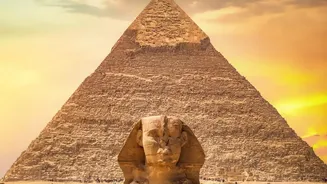
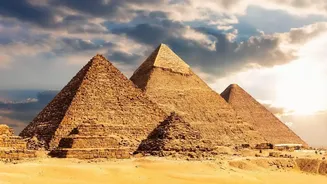
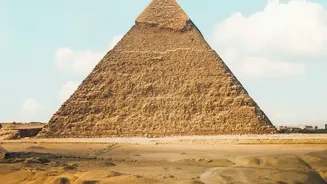
A slower itinerary opens the door to treasures that lie beyond the main tourist trail. While the Pyramids of Giza are unmissable, the nearby sites of Saqqara, home to the Step Pyramid of Djoser, and Dahshur, with its Bent and Red Pyramids, are just as historically significant but far less crowded. In Luxor, instead of only visiting the most famous tombs in the Valley of the Kings, explore the beautifully decorated Tombs of the Nobles or the village of Deir el-Medina, where the artisans who built the royal tombs lived. Consider a day trip from Luxor to the temples of Dendera and Abydos, which are renowned for their stunningly preserved reliefs and vibrant colours. These sites offer a more intimate and often more profound connection to ancient life.
Managing Modern Expectations
Part of a successful trip is aligning your expectations with reality. Egypt is a vibrant, bustling, and at times chaotic modern country, not a sterile open-air museum. You will encounter traffic in Cairo, and you will be approached by vendors at tourist sites—it's a part of the local economy. Rather than seeing this as a negative, approach it with polite refusal and a sense of understanding. Hiring a reputable guide can provide a valuable buffer and cultural interpreter, allowing you to focus on the history without the hassle. Understanding that the country operates on its own rhythm helps you appreciate the journey for what it is: an immersion in a culture thousands of years in the making.