






A Fundamental Right to Walk
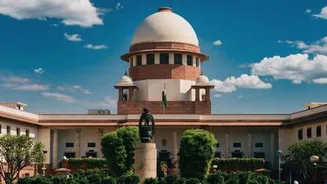
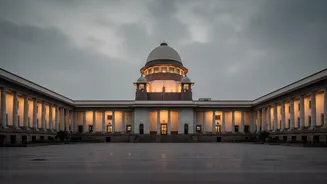
In what is being hailed as a landmark decision, the Supreme Court of India has formally declared that the right to walk on a properly demarcated footpath is a fundamental right. This right is now considered an integral part of the Right to Life and Personal
Liberty (Article 21) and the Right to Freedom of Movement (Article 19). The ruling came in a tragic case involving the death of a five-year-old boy who was struck by a vehicle while walking on a road without a footpath. This has prompted the apex court to assert that the right of a pedestrian on a designated walkway has priority over the movement of motorised vehicles, fundamentally altering the long-held hierarchy on our roads.
The Court's Mandate to Authorities
The ruling is not just a declaration of principle; it comes with clear instructions. The Supreme Court has directed the central government and municipal bodies to ensure that all roads have clearly demarcated, encroachment-free spaces for pedestrians. A bench of Justices P.S. Narasimha and Alok Aradhe emphasised that this does not require massive investment, suggesting simple measures like using ropes for demarcation to immediately secure walking spaces. The court has placed a "correlative duty" on public authorities, stating that if a road exists, there is an enforceable duty to provide and maintain safe footpaths. This moves the issue from being a matter of urban planning discretion to a constitutional obligation.
From Right to Civic Responsibility
This is where the headline's provocation—'civic duty'—comes into focus. While the court has mandated authorities to act, the judgment also reframes the citizen's role. By establishing a clear right to walkable spaces, it empowers citizens to demand them. Violation of this right now entitles individuals to seek legal remedies, including compensation, against the duty-bearers like municipal corporations. This creates an environment where citizens are not merely passive victims of poor infrastructure but active stakeholders with the power to demand accountability. The expectation is that this newfound legal clarity will foster a culture where protecting pedestrian spaces is seen as a collective civic responsibility, not just a government task. Maintaining these spaces, by not encroaching or allowing others to do so, becomes a duty that accompanies the right.
The Encroachment Challenge
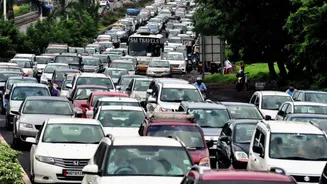
The biggest hurdle to realising this vision remains the pervasive issue of encroachment. Footpaths across Indian cities are routinely blocked by everything from parked vehicles and street vendors to illegal constructions and shop extensions. The Supreme Court's directive that walking spaces must be kept "sacred" and free from encroachment provides a powerful new tool for municipal authorities to act decisively. For citizens and resident welfare associations, the ruling offers a stronger legal basis to file complaints and pressure local bodies to clear public pathways. The success of this judgment will largely depend on how effectively this anti-encroachment mandate is enforced on the ground, a task that requires both political will and citizen vigilance.
The Path Forward for Walkable Cities
The Supreme Court has laid down the law, but turning this legal victory into a lived reality will be a long walk. Pedestrian deaths in India have surged alarmingly in recent years, highlighting the urgent need for change. Experts note that for decades, urban planning has prioritised vehicles, with footpaths being an afterthought. This ruling demands a paradigm shift, urging planners to design cities for people, not just cars. It's an invitation to build more accessible, equitable, and liveable urban spaces. The court has even urged the government to enact a specific law to codify this right and establish a regulator for enforcement. Ultimately, creating a walkable India requires a concerted effort: authorities must build and protect footpaths, and citizens must respect and demand them, truly embracing their role in this civic duty.