





A Hero's Journey, Reimagined by AI
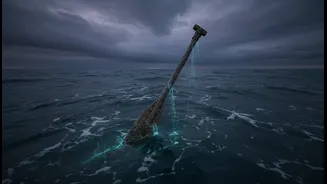
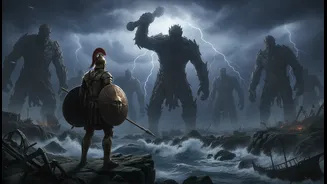
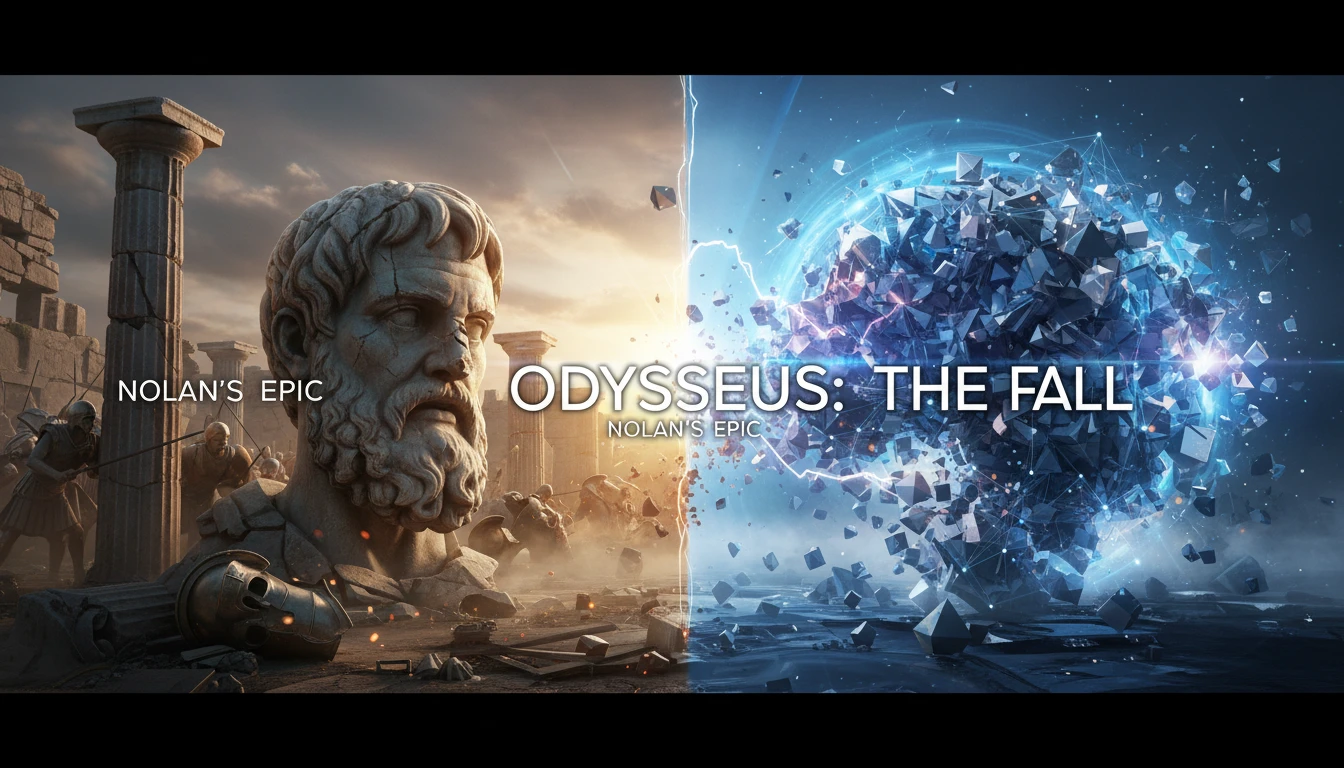
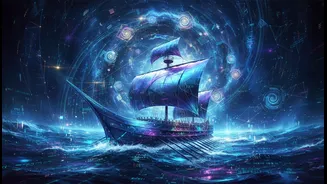
Just as Christopher Nolan’s star-studded epic 'The Odyssey' hits theatres, a small AI film studio named Fountain 0 has announced its own 135-minute, feature-length version of the classic tale. Titled 'Odysseus: The Fall,' this project takes the opposite
approach to Nolan’s practically-filmed blockbuster. It was created in just three months by filmmaker Ash Koosha, working part-time with a suite of AI tools. The studio says the film was made for a tiny fraction of a typical movie budget, costing little more than cloud computing credits. This isn't just a tech demo; it’s a direct challenge to the traditional filmmaking model, intended to show that ambitious stories can be told without Hollywood-sized resources.
The Digital Toolkit
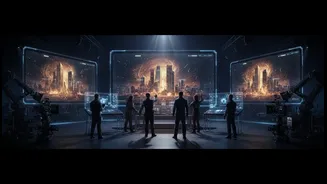
So, how do you make a movie without actors, cameras, or sets? The process for 'Odysseus: The Fall' relied on a new generation of generative AI. The filmmaker, Ash Koosha, used the AI video model Kling to generate the movie's scenes from text prompts, rather than working from a conventional script. This allowed the narrative to remain fluid and open to interpretation throughout the production process. The character of Odysseus himself is based on the likeness of Koosha. This approach is part of a growing trend where AI tools are used for everything from pre-visualisation to creating final shots, dramatically speeding up production and lowering costs. While many filmmakers are exploring AI to augment their work, Fountain 0's project pushes the technology to its limits by using it to create the entire film.
A Tale of Two Odysseys
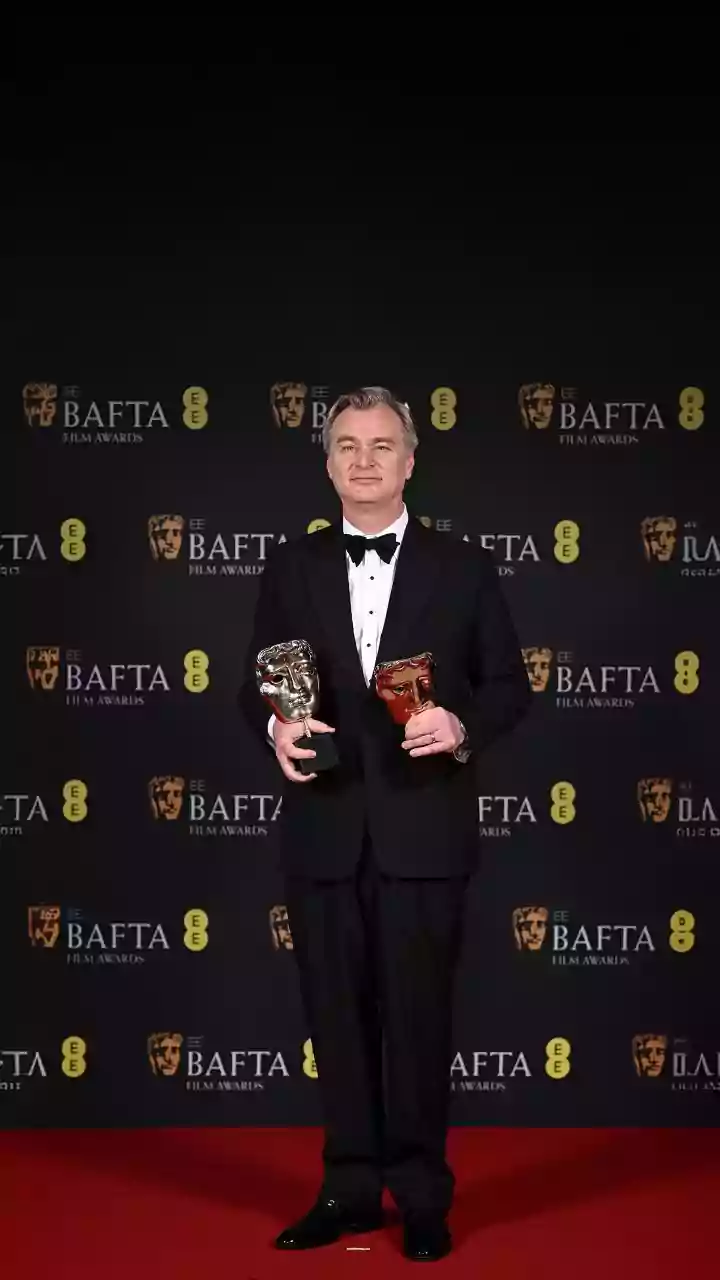
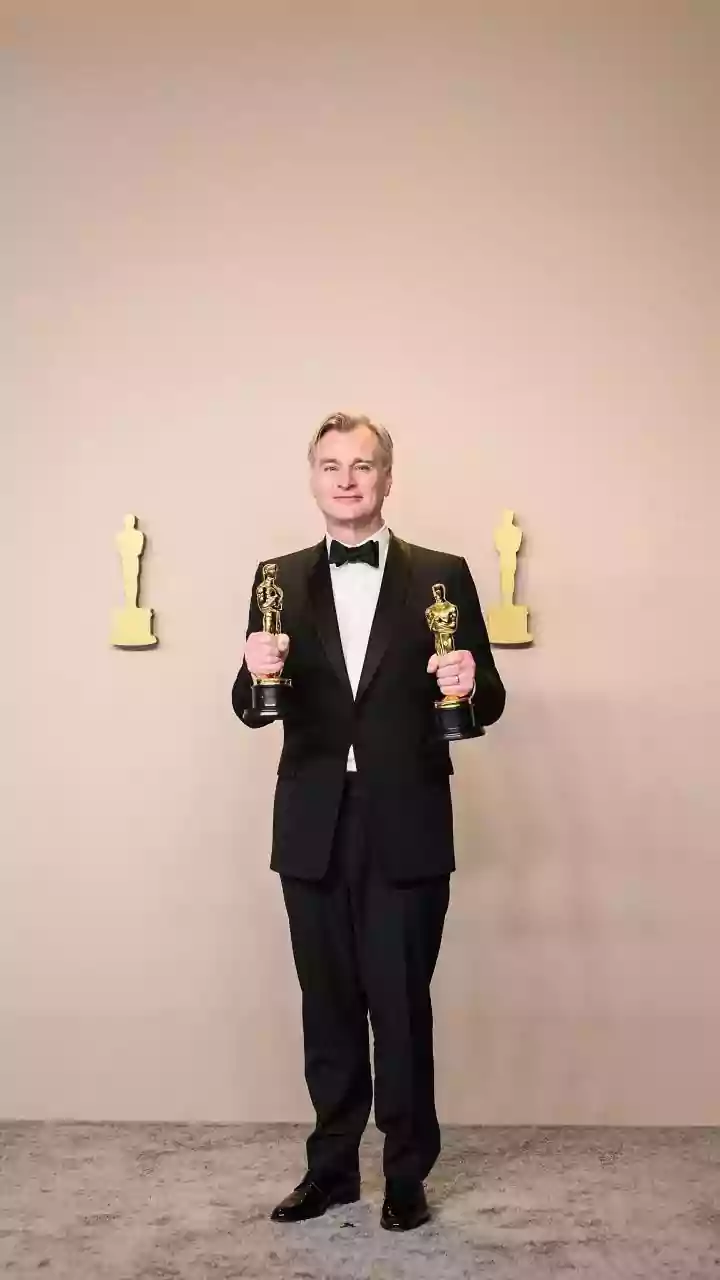
Fountain 0's timing is no coincidence. The studio intentionally announced 'Odysseus: The Fall' to coincide with the release of Nolan's highly anticipated film, which stars Matt Damon and was shot on massive IMAX cameras. The creators of the AI film say they want audiences to compare the two, highlighting what AI can already contribute to the art of filmmaking. While Nolan’s film celebrates the craft of practical, large-scale moviemaking with real locations and enormous crowds, the AI version represents a different kind of ambition: the democratisation of cinema. The idea is that if anyone can create a feature-length film from their computer, a wider and more diverse range of stories can be told.
Hollywood's New Debate
The reaction to the trailer for 'Odysseus: The Fall' has been mixed, to put it mildly. Many online commentators have dismissed it as “AI slop,” pointing to visual inconsistencies and a perceived lack of human touch. This reflects a broader unease in the creative industries about the rise of generative AI. After major Hollywood labour strikes in 2023 where AI was a key issue, many artists and guilds remain concerned that the technology will be used to replace human jobs rather than augment them. For his part, Christopher Nolan has expressed skepticism, stating that the idea of AI replacing human creativity is “nonsense” but that it may lead to some useful imaging tools. The AI filmmakers, however, argue their work is a collaboration, with a human director guiding the AI to achieve a specific vision.