


From Commodity to Culture
For much of its history, coffee was a straightforward commodity. The first wave, which began in the 1800s, was about making coffee accessible and convenient for every household. Brands focused on mass production, low prices, and consistency, leading to the rise
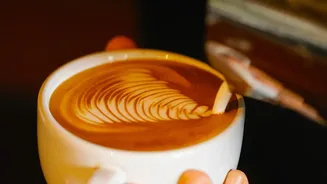
of pre-ground and instant coffee. The goal was a caffeine fix, not a flavour experience. The second wave, starting around the 1970s, transformed coffee from a commodity into a culture. Coffee giants introduced the cafe experience, complete with espresso-based drinks like lattes and cappuccinos, turning coffee into a social ritual. We began to care more about the experience of drinking coffee. This set the stage for the third wave, which treats coffee like an artisanal product, similar to fine wine. This movement, which began in the 2000s, emphasizes quality, origin, and sustainability, viewing coffee as a craft.
The Rupee in Your Cup
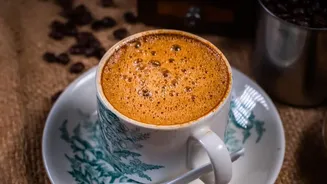
The divide is most obvious in the price. A sachet of instant coffee costs a few rupees, while a manually brewed, single-origin pour-over at a specialty cafe can cost several hundred. This isn't arbitrary. Commercial coffee often uses lower-cost, machine-harvested robusta beans, which are roasted dark to mask imperfections and create a uniform taste. In contrast, specialty coffee uses high-quality arabica beans, which make up only a small fraction of the world's production. These beans are often grown in specific microclimates at high altitudes and are hand-picked to ensure only ripe cherries are selected—a labour-intensive process that adds significant cost. Everything from farming methods and processing techniques to fair wages for farmers contributes to the higher price, which reflects a commitment to quality and sustainability at every step.
The Language of Status
Beyond cost, specialty coffee has its own language. Terms like 'single-origin', 'washed process', 'anaerobic fermentation', and tasting notes like 'citrus acidity' or 'chocolatey finish' are part of its appeal. This specialised knowledge functions as what sociologist Pierre Bourdieu called 'cultural capital'. According to Bourdieu, taste is not just personal preference but a marker of social class, shaped by education and social background. Knowing how to talk about coffee—understanding its origin, varietal, and flavour profile—becomes a subtle way to signal one's worldliness and sophistication. It’s a form of non-financial currency that demonstrates you belong to a certain cultural group, one that values craft and authenticity. This knowledge transforms the act of drinking coffee into an intellectual exercise, creating a distinction between the casual consumer and the connoisseur.
India's New Coffee Scene
This global trend is rapidly reshaping India's beverage landscape. While traditionally a nation of tea drinkers and filter coffee lovers, India is experiencing a specialty coffee boom. The market is projected to grow significantly, with chains like Blue Tokai and Third Wave Coffee expanding alongside international brands. This growth is largely driven by younger, urban consumers—millennials and Gen Z—who have higher disposable incomes and a desire for premium experiences. Cafes are no longer just places to get a drink; they are 'third places' between home and work where people socialise, work, and construct their identities. The choice of cafe, the type of coffee ordered, and even the photos shared on social media all become part of a curated lifestyle. This shift is also putting a spotlight on Indian coffee estates, which are gaining global recognition for their quality and innovative processing methods.