




The Foundation: Perfect Hung Curd
The single most critical ingredient for dahi kebabs is properly prepared hung curd. The goal is to remove as much whey (water) as possible to create a thick, creamy base that is firm enough to be shaped. To do this, place fresh, full-fat curd into a muslin
or cheesecloth, tie it securely, and hang it over a bowl for at least 6 to 8 hours, or even overnight in the refrigerator. For an even firmer texture, you can place a heavy weight on the tied cloth to press out more moisture. The resulting curd should have a consistency similar to cream cheese. Using fresh, non-sour curd is essential, as any sourness will dominate the final flavour of the kebabs. If the curd is too watery, the kebabs will be impossible to shape and will absorb excess oil when fried.
Binding it all Together
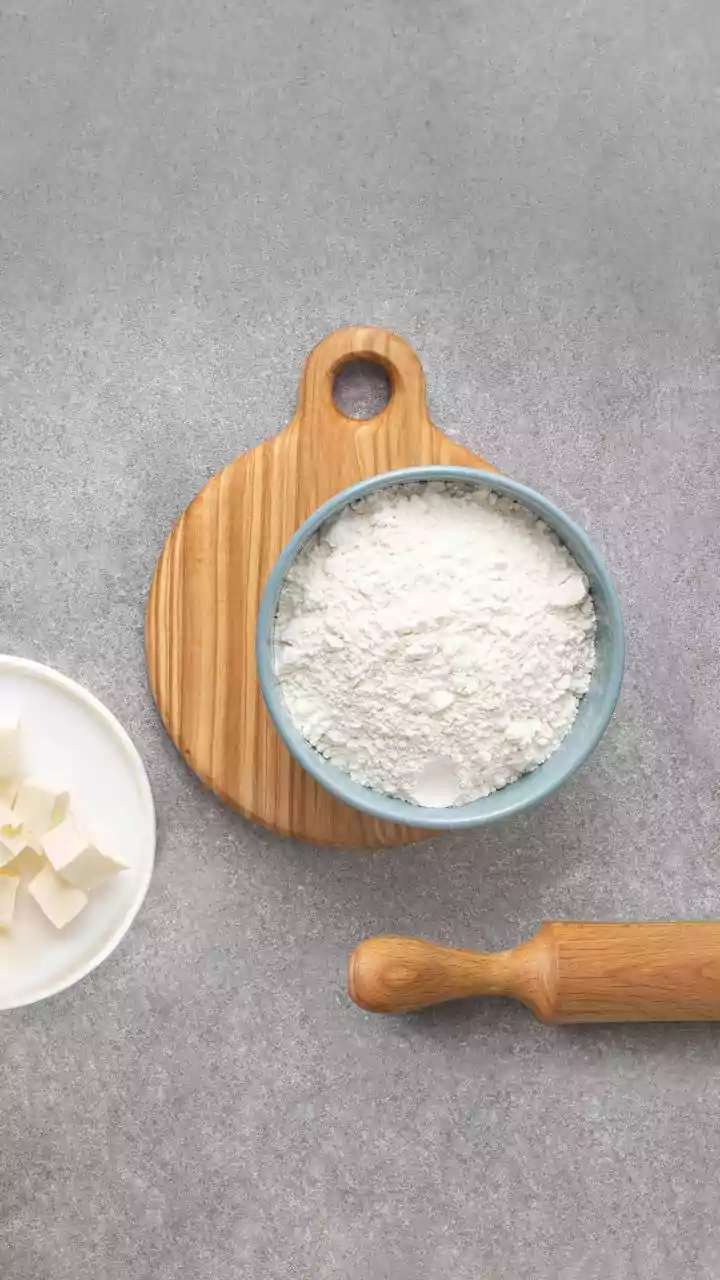
Even with perfect hung curd, you need a binding agent to ensure the kebabs hold their shape. Roasted gram flour (besan) is a traditional and effective choice. Roasting the besan for a few minutes in a dry pan until it is fragrant is a crucial step; using it raw will leave an unpleasant, pasty taste. Other popular binders include breadcrumbs or crumbled paneer. Paneer not only helps absorb moisture but also adds a wonderful, rich texture that complements the tang of the curd. The key is to use just enough binder to create a workable, non-sticky dough. If you add too much, the kebabs will lose their characteristic softness and become dense. You should be able to form a ball without the mixture sticking to your hands.
Infusing Flavour and Texture
With the base ready, it’s time for flavour. Finely chopped onions, ginger, green chillies, and fresh coriander leaves are classic additions that provide a fresh, aromatic lift. Spices like garam masala, cumin powder, and a touch of black pepper add warmth and complexity. For a textural surprise, many recipes include finely chopped nuts like cashews to add a delightful crunch against the soft curd. A crucial tip is to add salt at the very end, just before you shape the patties. Salt draws moisture out of ingredients like onions, and adding it too early can make your carefully prepared mixture watery again.
The Golden Rule: Brief, Medium-High Heat
This brings us to the central promise: cooking briefly for a soft interior. The science is simple. The goal is not to 'cook' the curd through, but to quickly form a crisp outer crust while gently warming the inside. Overcooking will cause the proteins in the curd to tighten and squeeze out any remaining moisture, resulting in a rubbery texture. For perfectly soft kebabs, heat your oil for shallow frying over a medium-high flame. Cooking them on a low flame won't make them crispy, while a very high flame will burn the outside before the inside is warm. The kebabs cook very quickly—often just a few minutes on each side is enough to achieve a golden, crisp exterior. Fry them in small batches to avoid overcrowding the pan, which can lower the oil temperature.
Troubleshooting Common Mistakes
If your dahi kebabs have failed in the past, one of these culprits is likely to blame. The most common issue is the mixture being too wet, causing the kebabs to break apart. This is almost always due to insufficient draining of the curd or adding salt too early. To fix this, you can try adding a little more roasted besan or breadcrumbs. Another pro tip is to refrigerate the prepared mixture for 20-30 minutes before shaping and frying. Chilling helps the mixture firm up, making the kebabs much easier to handle and less likely to break. When shaping, be gentle; press the patties with light hands to avoid making them dense.