


Understanding the Heartbeat of Pujo
Durga Puja, or 'Pujo' as it's affectionately known, is more than a religious festival; it's the cultural soul of Bengal. It celebrates the victory of Goddess Durga over the demon Mahishasur, symbolizing the triumph of good over evil. In 2026, the main
festivities will run from October 16th to October 21st. For these five days—Shashthi, Saptami, Ashtami, Navami, and Vijayadashami—the city pauses its regular rhythm and surrenders to a carnival of art, faith, and community. The festival's cultural significance is so profound that in 2021, UNESCO recognized Durga Puja in Kolkata as an Intangible Cultural Heritage of Humanity.
A Pandal-Hopper’s Playbook
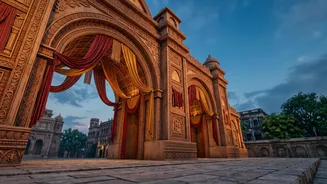
Pandal hopping is the quintessential Pujo experience. Pandals are temporary, elaborate structures housing the idol of Goddess Durga. The key to a successful experience is not to see everything, but to plan wisely. Divide the city into zones. North Kolkata is famed for its traditional and heritage pujas, like Bagbazar Sarbojanin, one of the oldest, and Kumartuli Park. South Kolkata is known for its creative themes and massive installations at places like Ekdalia Evergreen, Suruchi Sangha, and Chetla Agrani. To avoid the biggest crowds, consider visiting in the morning or embrace the local tradition of midnight pandal hopping, when the city is beautifully illuminated and the crowds are slightly thinner.
A Feast for the Senses
Durga Puja is a culinary marathon. The experience is incomplete without sampling both the sacred and the street food. Don't miss the 'bhog'—a blessed food offering, usually consisting of khichuri, labra (a mixed vegetable dish), and chutney, distributed at community pandals. On the streets, the options are endless. Grab a Kathi Roll from Nizam's, said to be its inventor, or try phuchka, Kolkata’s iconic version of pani puri. Other must-try snacks include fish fry, Mughlai paratha, and ghugni (a spiced pea curry). For your sweet tooth, no Pujo is complete without mishti doi (sweet yogurt) and an array of sandesh and rosogolla from legendary sweet shops.
Navigating the Joyful Chaos
Getting around Kolkata during Puja requires patience and a smart strategy. The Kolkata Metro is your best friend; it runs extended, often overnight, services during the main puja days and is the most efficient way to travel between North and South Kolkata. For shorter distances within a neighbourhood, walking is often the fastest and most immersive option. The West Bengal Transport Corporation also runs special 'Puja Special' AC buses that connect major pandal zones. App-based cabs and local auto-rickshaws are available, but be prepared for high demand and traffic-clogged streets. A unique option is the Hooghly River ferry, which offers a scenic and often quicker alternative, especially at night.
Tradition, Art, and Immersion
Beyond the large community pandals, seek out a 'Bonedi Bari' puja. These are traditional pujas held in the ancestral homes of Kolkata’s old aristocratic families, like the Sovabazar Rajbari. They offer a glimpse into centuries-old rituals and a more intimate atmosphere. As the festival draws to a close on Vijayadashami, witness the powerful emotion of the 'visarjan' or idol immersion. Grand processions carry the idols to the ghats of the Hooghly River. This final farewell, filled with chants of 'Aasche bochor abar hobe!' (It will happen again next year!), is a poignant and unforgettable bookend to the festivities.