




Why is Kolkata often called the 'London of India'? The nickname is more than a casual comparison; it's a direct reference to a time when the city was the jewel of the British Empire and a hub of immense power, wealth, and cultural change.
The Empire's Second City
The most direct
reason for the comparison is that for nearly 140 years, from 1772 to 1911, Kolkata (then Calcutta) was the capital of British India. This made it the administrative nerve centre for the entire subcontinent. For a significant period, it was considered the second most important city in the British Empire, surpassed only by London itself. This status meant that the British invested heavily in creating an urban landscape that reflected their power and prestige, consciously moulding the city in the image of their own capital. From this base, a small number of British officers governed millions, and the city's infrastructure was designed to support this grand imperial project.
Architectural Echoes of London
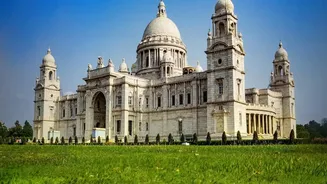
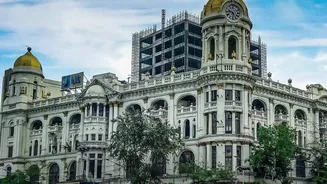
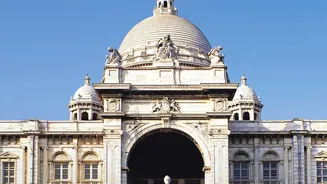
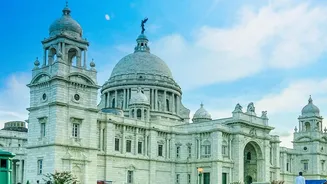
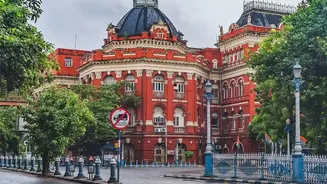
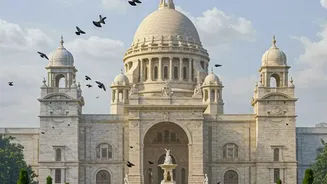
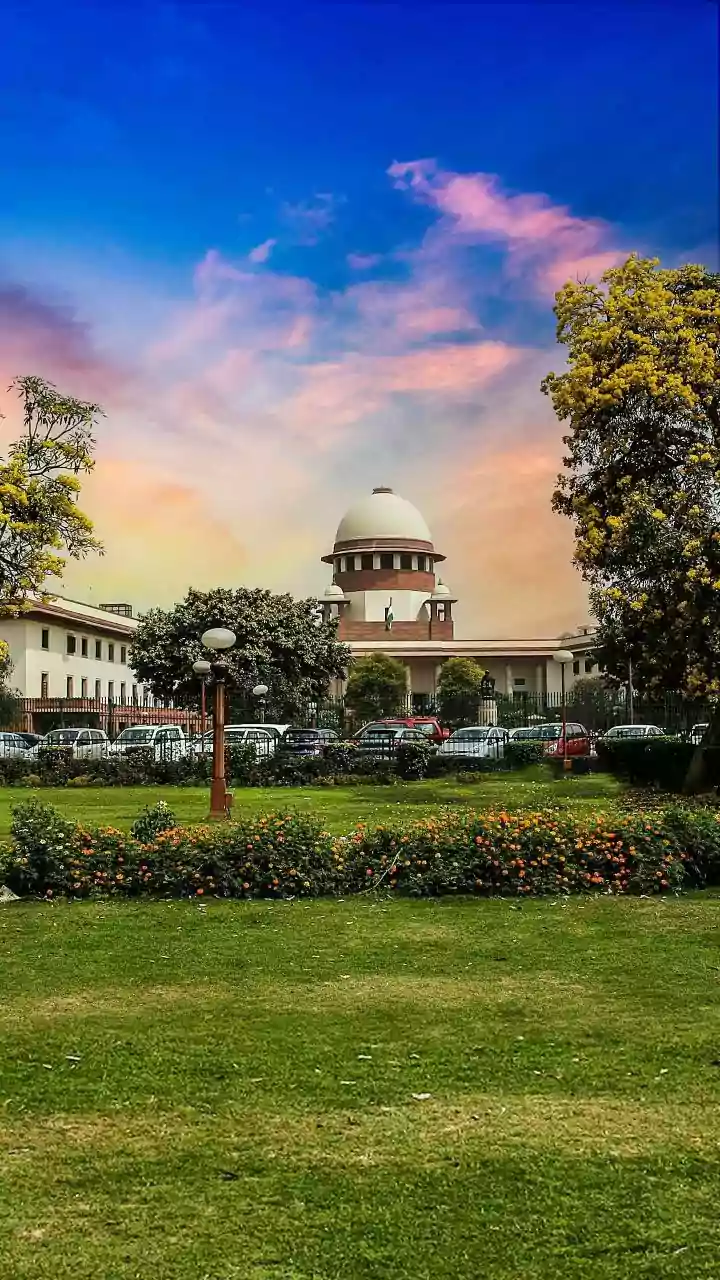
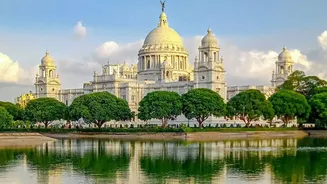
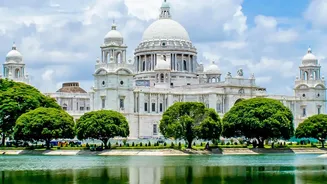
Walk through central Kolkata today, and the ghost of London is everywhere. The British erected a breathtaking collection of grand buildings in various European styles, including Neoclassical, Gothic Revival, and Victorian. The magnificent Victoria Memorial, a marble marvel built to honour Queen Victoria, blends British and Mughal styles but was envisioned as a 'British Taj Mahal', a monument to imperial permanence. Landmarks like the St. Paul's Cathedral, with its impressive Indo-Gothic architecture, the imposing Writers' Building, which served as the administrative headquarters, and the Calcutta High Court all contribute to a distinctly European feel. This vast collection of colonial-era structures is perhaps the most visible and enduring reason for the nickname.
A River Runs Through It
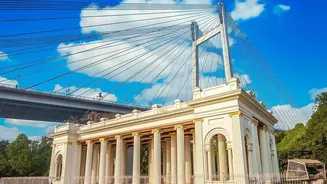
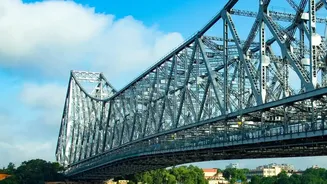
Another striking parallel is the importance of the cities' rivers. Just as London developed along the River Thames, Kolkata's growth was intrinsically linked to the Hooghly River. The Hooghly provided strategic access to the Bay of Bengal, turning Kolkata into a vital port and a bustling hub for global trade in commodities like jute, tea, and textiles. The riverfronts of both cities became crucial arteries for commerce and transportation, lined with ghats, promenades, and important buildings that underlined their economic might.
A Cradle of Culture and Intellect
The comparison extends beyond buildings and trade. During the 19th and early 20th centuries, Kolkata became the epicentre of the Bengal Renaissance, a phenomenal cultural, social, and intellectual movement. The establishment of institutions like Hindu College (now Presidency University) and the University of Calcutta, which were modelled on Western educational systems, created a new, English-educated Bengali elite. This intellectual flourishing drew parallels with London's own vibrant scene. The movement produced revolutionary thinkers, artists, and writers like Rabindranath Tagore, who fused Indian traditions with Western ideas. This created a unique 'Babu culture', a sophisticated blend of English liberalism and indigenous revivalism, solidifying Kolkata's reputation as a city of profound intellect and art.
A Complex Legacy
Today, the 'London of India' moniker is viewed with a mix of pride and complexity. The architectural grandeur is undeniable, and India has chosen to preserve these buildings as witnesses to history rather than erase them. However, this heritage is also a reminder of colonial oppression, economic exploitation, and a racial hierarchy that divided the city into a 'White Town' for the British and a 'Black Town' for Indians. While the nickname speaks to a glorious past for some, for others it represents a painful chapter of subjugation. The city's modern identity is a vibrant blend of this colonial past and its rich, independent Bengali culture.