

The Philosophy of 'Chatpata'
At the heart of Gujarati cuisine is a philosophy of balance. Unlike cuisines that might focus on a single dominant taste, a Gujarati meal seeks a harmonious blend of sweet, sour, salty, and spicy. This multi-layered flavour profile is often described
by the word 'chatpata'—a lip-smacking, tantalising sensation that delights the palate. Chutneys and chillies are the primary tools for achieving this. A sweet dish might be balanced with a spicy pickle, while a savoury snack is elevated by a tangy chutney. This practice isn't just about adding heat; it's a sophisticated method of layering flavours to create a complete and satisfying experience with every bite.
Customising Every Bite
The ever-present chutney and chilli allow for a personalised dining experience. They empower the eater to adjust the flavour of their meal according to their preference. One person might enjoy their dhokla with a generous smear of sweet tamarind chutney, while another might prefer the sharp heat of a green chilli chutney. This act of customisation turns a meal into an interactive event. It's a way of life that acknowledges individual tastes while sharing a common plate. These condiments are not just side dishes; they are integral components that complete the flavour circuit, ensuring no dish is ever one-dimensional.
Iconic Pairings and Their Partners
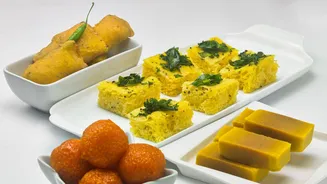
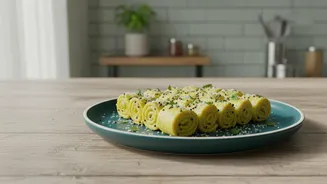
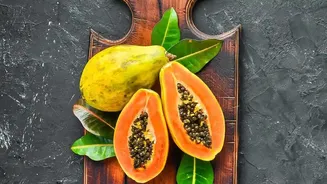
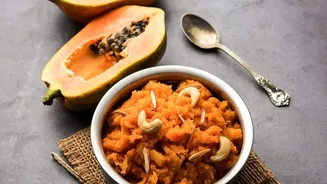
Certain pairings have become legendary in Gujarati cuisine, inseparable from their spicy and tangy accompaniments. The classic breakfast of Fafda-Jalebi is a prime example. The savoury, crunchy fafda and the sweet, syrupy jalebi create a delightful contrast, but the experience is incomplete without the shredded papaya sambharo and a fried green chilli on the side. Similarly, the soft, savoury flatbread Thepla is almost always served with a pickle or chutney. A popular choice is 'chundo,' a sweet and spicy mango relish that perfectly complements the fenugreek-flavoured bread. Other staples like Handvo, a savoury lentil cake, and Gota, a type of pakora, are also best enjoyed with a variety of chutneys.
A Well-Stocked Arsenal of Flavours
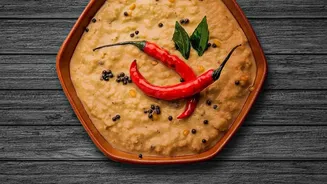
A typical Gujarati kitchen houses an impressive arsenal of pickles ('athanu') and chutneys. These are often homemade, with recipes passed down through generations. Common chutneys include a vibrant green variety made from coriander and mint, a sweet and tangy one from dates and tamarind, and a fiery garlic chutney. Pickles are equally diverse, ranging from the universally loved sweet mango chhundo to spicy chilli pickles (marcha nu athanu). Beyond these prepared condiments, simple fried or raw green chillies are a common sight, offering a straightforward kick of heat to balance the often subtle sweetness found in many Gujarati dishes.
More Than Food, It's a Connection
The tradition of adding chutneys and chillies is more than just a culinary habit; it is a shared cultural language. The communal act of making large batches of pickles is a ritual that brings families together. Sharing these condiments during a meal is an act of hospitality and connection. It reflects a deep understanding of food that goes beyond mere sustenance. It’s about creating joy, fostering community, and celebrating a rich heritage where every meal is an opportunity for a vibrant, flavourful, and personalised feast.