



The Tofu Truth: Why Pressing Is Non-Negotiable
The most common mistake when cooking tofu is failing to remove its excess water. Tofu is packed in water, which keeps it fresh, but that same water becomes your enemy in the pan. Trying to fry wet tofu is like trying to brown a wet sponge; the heat spends
its energy creating steam instead of a crispy, golden-brown crust. This is why many home-cooked tofu dishes end up disappointingly soft or crumbly. The solution is simple but crucial: pressing. By pressing a block of firm or extra-firm tofu, you remove that internal water, creating a denser, firmer canvas. This not only allows the outside to get wonderfully crisp but also enables the tofu to better absorb marinades and sauces, leading to a much more flavorful result.
Your Step-by-Step Guide to Crispy Tofu
First, choose the right type: firm or extra-firm tofu is essential for achieving a crispy texture. Once you've drained the package, wrap the block in a clean kitchen towel or several layers of paper towels. Place it on a plate or cutting board, and put something heavy on top—a cast-iron skillet, a few cookbooks, or some canned goods work perfectly. Let it press for at least 30 minutes. You'll be surprised how much water is released. After pressing, cut or tear the tofu into bite-sized pieces. Tearing creates rough, craggy edges that get extra crispy and hold more sauce. Toss the pieces in a bowl with a tablespoon or two of cornstarch, along with a pinch of salt and pepper, until they are lightly coated. This cornstarch coating is the secret weapon for an exceptionally crunchy exterior.
Cooking the Tofu: The Golden Moment
Now it's time to cook the tofu—separately. Heat a neutral oil in a large skillet or wok over medium-high heat. You want enough oil to generously coat the bottom of the pan. Once the oil is shimmering, carefully add the cornstarch-coated tofu pieces in a single layer, ensuring they aren't crowded. Let them cook for several minutes without moving them to develop a deep golden-brown crust on one side. Then, toss and continue to cook, turning occasionally, until the tofu is crispy on all sides, which usually takes about 8 to 10 minutes. Once perfectly crisped, remove the tofu from the pan and set it aside on a plate. This step ensures the tofu stays crunchy and doesn't get steamed when you make the sauce. Alternative methods like baking at a high temperature (around 425°F) or using an air fryer are also excellent for achieving a great crisp.
The Magic of Gochujang Sauce
Gochujang is a fermented Korean chili paste that forms the heart of this dish. It’s a powerhouse of complex flavour—spicy, savory, and slightly sweet. To create a balanced sauce, you'll whisk the gochujang paste with a few other key ingredients. A typical combination includes soy sauce (or tamari), rice vinegar, a sweetener like maple syrup or honey, minced garlic, and toasted sesame oil. After you’ve removed the crispy tofu, you can make the sauce in the same pan. Reduce the heat to low and add your sauce ingredients, simmering for a few minutes until the sauce thickens slightly and the raw garlic flavour cooks out. This is the final, crucial moment: add the crispy tofu back into the pan and toss it gently just to coat. By saucing the tofu at the very end, you preserve its incredible texture.
Assembling the Perfect Bowl
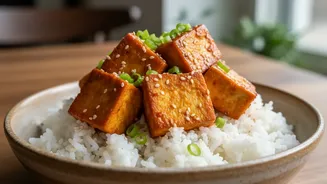
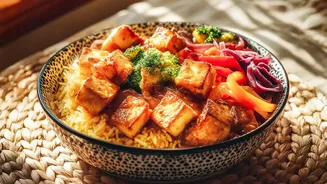
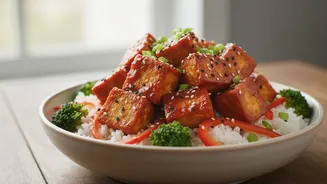
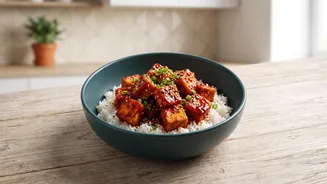
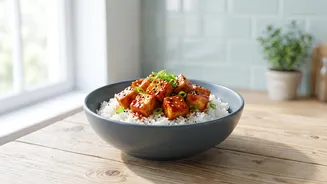
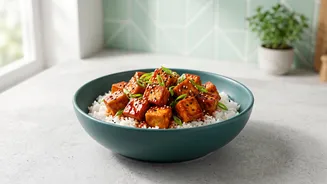
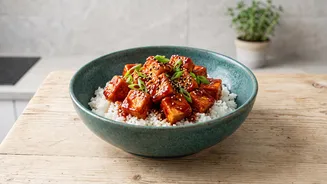
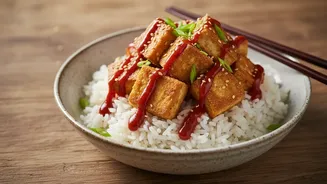
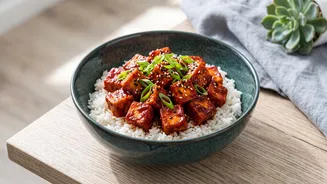
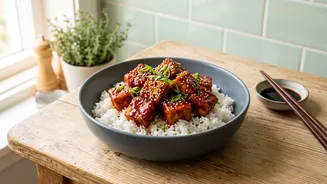
With your perfectly crisp, saucy tofu ready, building your bowl is the easy part. Start with a base of fluffy steamed rice. Arrange a generous portion of the gochujang tofu on top. The beauty of a rice bowl is its versatility, so feel free to add your favourite vegetables. Steamed broccoli, pickled cucumbers, shredded carrots, or a fresh slaw all add wonderful crunch, coolness, and nutrition to balance the rich, spicy tofu. Finish your creation with a sprinkle of toasted sesame seeds and some thinly sliced green onions for a final layer of flavour and visual appeal. Every spoonful will deliver a satisfying mix of warm rice, crunchy-chewy tofu, and that addictive spicy-sweet gochujang glaze.