


From Gimmick to Genuine Enhancement
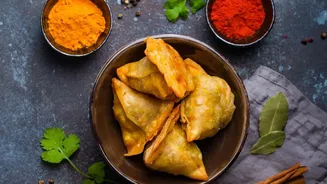
Not long ago, finding kale in a samosa or strawberries in a biryani was a sign of a restaurant trying a bit too hard to be different. This approach to ‘global cuisine’ often felt more about performance than flavour, treating foreign ingredients as exotic
accessories. But the Indian kitchen is evolving. Today, a quieter, more confident revolution is underway, led by professional chefs and home cooks alike. The focus has shifted from mere novelty to genuine value. The question is no longer ‘Is it new?’ but ‘Does it make the dish better?’. This change reflects a deeper understanding of flavour, texture, and function, where a global ingredient is chosen not because it’s foreign, but because it offers something that enhances or complements a traditional Indian recipe in a meaningful way. It’s a sign of a culinary scene that is secure in its identity, and therefore open to intelligent adaptation.
The New Pantry: Avocado and Quinoa
Two of the most visible examples of this trend are avocado and quinoa. Initially seen as health-food fads, they have been seamlessly woven into the fabric of modern Indian cooking. Avocado’s creamy, buttery texture has made it a natural fit. Instead of being used in generic salads, it’s being mashed into thecha, blended into creamy raitas, or diced into bhel puri, where its richness balances the sharp, spicy notes of tamarind and chilli. It adds a luxurious mouthfeel without overpowering the dish. Quinoa, a protein-packed seed, has found its place as a versatile grain substitute. It’s being cooked like upma, used as a base for vegetable pulao, or formed into patties for tikki. Cooks have discovered that quinoa readily absorbs the flavours of Indian spices, from cumin and coriander to turmeric and garam masala, making it a nutritious canvas for traditional masalas. In both cases, the ingredient isn't the star; it’s a supporting actor that improves the final production.
The Umami Revolution: Miso and Gochujang
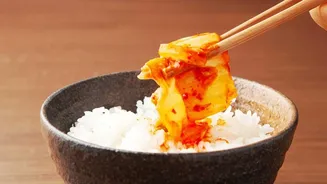
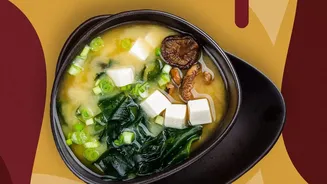
Perhaps the most sophisticated integration is happening with umami-rich pastes from East Asia, like Japanese miso and Korean gochujang. Indian cuisine has always excelled at layering complex flavours, but the specific, deeply savoury taste of umami from fermented sources offers a new dimension. Gochujang, a fermented chilli paste, provides a unique combination of spicy, sweet, and savoury notes that complements the flavour profiles of many Indian marinades and gravies. Chefs are using it to add a lingering depth to tandoori marinades or to create complex glazes for chicken and paneer. Similarly, miso, a fermented soybean paste, is being used as a secret ingredient to enrich vegetarian curries and lentil dals, providing a savoury foundation that might otherwise come from slow-cooked onions or meat stocks. This isn’t about making a dish taste Korean or Japanese; it’s about borrowing a technique to make an Indian dish taste more intensely and satisfyingly of itself.
A Sign of Culinary Confidence
This thoughtful integration of global ingredients is ultimately a story of confidence. Indian food has a long and rich history of absorbing outside influences—from the Persian nuts and saffron that defined Mughlai cuisine to the Portuguese introduction of the chilli pepper itself. The current trend is merely the next chapter in this evolution. By moving past the need to impress with novelty, Indian cooks are showing a mastery of their own culinary heritage. They are now so comfortable with their own flavours that they can look outwards and selectively borrow what works. This approach ensures that while the pantry may be global, the soul of the dish remains distinctly Indian. It’s a movement that honours tradition not by keeping it static, but by allowing it to grow and adapt in a way that is both intelligent and delicious.