







More Than a Minor Annoyance
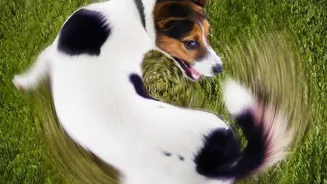
That constant jingle of a collar or the sound of relentless licking isn't just a quirky habit; it's a significant medical symptom known as pruritus. While all pets scratch, itching becomes a problem when it's persistent, intense, or leads to other issues
like restlessness and visible skin damage. Normalising this behaviour means normalising your pet's discomfort. Chronic itching can disrupt their sleep, increase stress levels, and drastically reduce their quality of life. It’s a sign that something is wrong, and ignoring it can allow a manageable issue to become a serious health problem.
Unpacking the Common Causes
Persistent itching is most often a symptom of a few key issues. The first, and most common, are parasites. Fleas are a primary culprit; for pets with a flea allergy, even a single bite can trigger a severe reaction of intense scratching. Mites are another cause, responsible for conditions like mange. Secondly, allergies are a major factor. Unlike humans who sneeze, pets often express allergies through their skin. These can be environmental (to pollen, dust, or mould), or related to ingredients in their food like chicken or beef. Finally, skin infections, caused by bacteria or yeast, can either be a primary cause of itching or a secondary problem that develops after the skin is broken by scratching, creating a vicious cycle of irritation and infection.
The Dangers of Doing Nothing
Thinking the itch will simply go away on its own is a risky gamble. The act of scratching, licking, and chewing breaks down the skin's natural protective barrier. This opens the door for secondary bacterial or yeast infections to set in, which are often itchier and more complicated to treat than the original problem. You might notice a foul odour, greasy skin, or sores known as 'hot spots'. Over time, this constant inflammation can lead to permanent skin changes, such as thickened, darkened skin (lichenification), and chronic hair loss. Most importantly, it condemns your pet to a state of constant discomfort, which is a serious welfare concern.
What to Expect at the Vet
A trip to the veterinarian is the most crucial step. A vet will start with a thorough physical examination and a detailed history of your pet's symptoms. Be prepared to answer questions about when the itching started, if it's seasonal, and what food your pet eats. To find the root cause, your vet may perform several diagnostic tests. These can include simple procedures like skin scrapings or hair plucks to look for mites and other parasites under a microscope. They might also take samples to check for bacterial or yeast infections. If allergies are suspected, your vet may suggest a food elimination trial or blood tests to identify specific environmental triggers. These steps are essential to move beyond guesswork and find a targeted solution.
Finding Lasting Relief for Your Pet
The good news is that most causes of itching are treatable. Once a diagnosis is made, a veterinarian can create a tailored plan. Treatment for parasites often involves effective, long-lasting preventative medications. For infections, a course of antibiotics or antifungal drugs will be prescribed. Managing allergies can be more complex but is entirely possible. It might involve prescription medications to calm the immune response, specialised diets, medicated shampoos, or even allergy immunotherapy (similar to allergy shots for humans). The goal isn't just to stop the itch temporarily but to manage the underlying condition for long-term comfort and health.