




The Myth's Green Roots
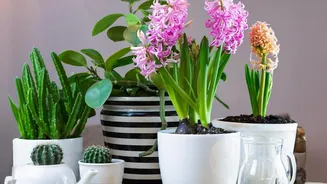
The idea that houseplants are tiny, natural air purifiers largely stems from a landmark 1989 NASA study. Researchers were looking for ways to clean the air in sealed environments like space stations. They placed common houseplants, such as snake plants and peace
lilies, into small, sealed chambers and introduced volatile organic compounds (VOCs) like benzene and formaldehyde. Within 24 hours, the plants had removed a significant percentage of these pollutants. The results were fascinating and quickly entered public consciousness, launching the 'air-purifying plant' trend that continues today. It was a perfect story: a simple, natural solution to a modern problem.
From Sealed Lab to Drafty Living Room
The problem is that our homes are nothing like the sealed chambers in the NASA experiment. More recent research has put the original findings into perspective, concluding that you would need a huge number of plants to make a meaningful difference to your home's air quality. One 2019 review calculated that to achieve the same air-cleaning rate as standard building ventilation, you'd need anywhere from 10 to 1,000 plants per square meter. To put that into perspective, you might need around 680 plants in an average-sized home to see a real effect. The natural airflow from opening a window or a door does far more to clear pollutants than a few potted plants ever could. Experts now agree that while plants do absorb tiny amounts of VOCs, the effect in a typical home or office is practically negligible.
The Real Benefits Are Clear
So, should you get rid of your leafy companions? Absolutely not. While they may not be air-purifying superheroes, houseplants offer a host of other scientifically-backed benefits. Studies have shown that interacting with indoor plants can reduce both psychological and physiological stress. The simple presence of greenery can have a calming effect, lower blood pressure, and improve your overall mood. This connection to nature, sometimes called 'biophilia', seems to fulfill an innate human need, making our indoor spaces feel more restorative and pleasant. In one study, patients recovering from surgery who had a view of trees required less pain medication than those facing a brick wall. The psychological boost from plants is powerful and real.
A Hobby for a Happier Mind
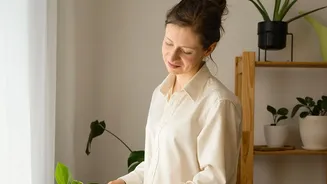
Beyond their passive presence, the act of caring for plants is a benefit in itself. It offers a gentle sense of responsibility and routine. Watering, pruning, and watching for new growth can be a form of mindfulness, pulling you into the present moment and away from daily stressors. For many, indoor gardening provides a tangible sense of accomplishment, watching something thrive because of their care. It’s a quiet, restorative hobby that can improve focus and give you a sense of agency, proving that the 'green thumb' is more about mental wellness than just keeping a plant alive.
Choosing Plants for Joy, Not a Job
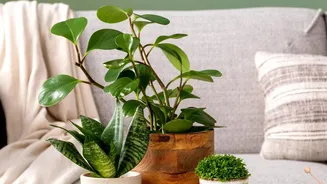
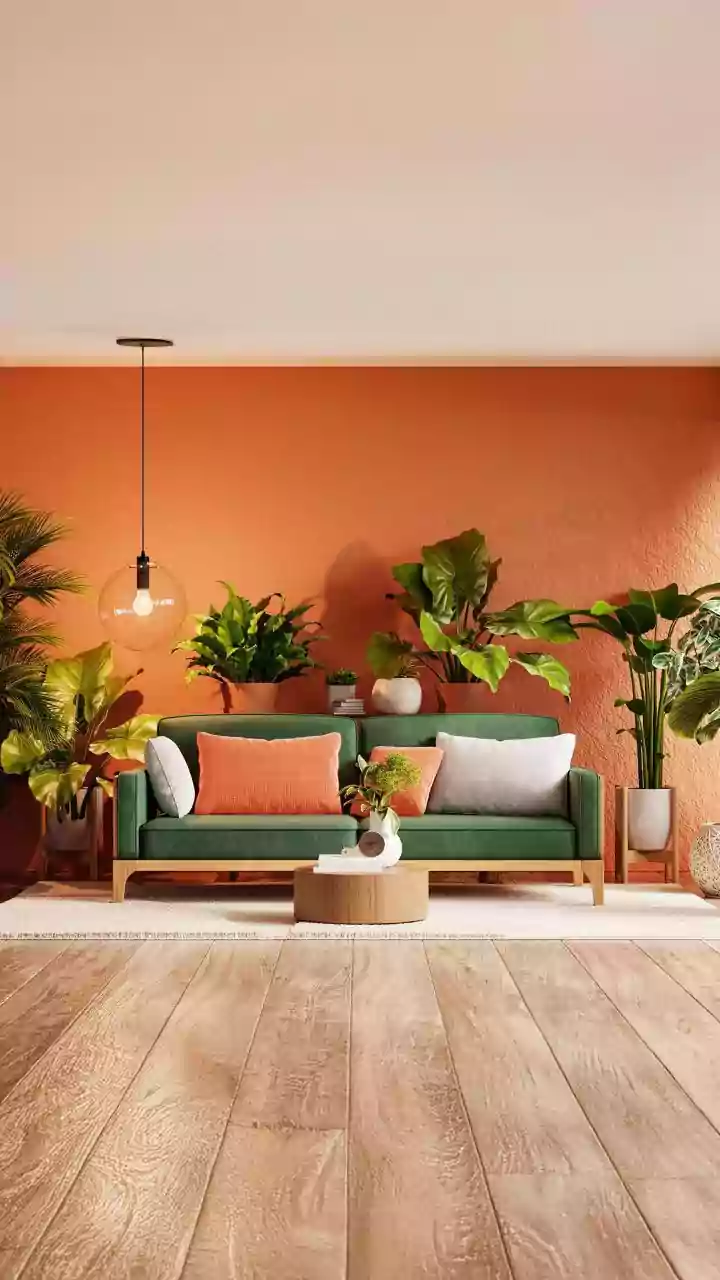
Freed from the burden of purifying your air, you can now choose plants for the best reasons: because you love how they look and enjoy caring for them. Instead of focusing on debunked 'purifying' lists, select plants that fit your home's light conditions and your lifestyle. For beginners or those with busy schedules, forgiving plants like the Snake Plant, ZZ Plant, or Pothos are fantastic choices that tolerate a bit of neglect. If you want a bold statement, a Monstera's giant leaves can transform a corner. The key is to find plants that bring you joy, add beauty to your space, and fit the level of care you're willing to provide.