




The Anatomy of a Himalayan Hazard
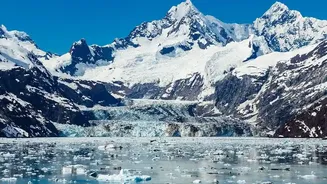
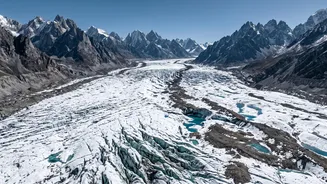
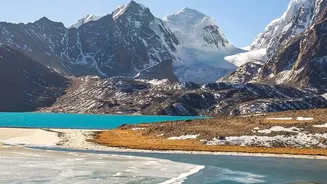
The primary threat emanating from melting glaciers is a phenomenon known as a Glacial Lake Outburst Flood, or GLOF. As glaciers retreat due to rising temperatures, they leave behind vast depressions that fill with meltwater, forming new lakes. These lakes are
often dammed by nothing more than unstable mounds of loose rock and debris called moraines. When these natural dams fail, or when a massive chunk of ice or rock avalanches into the lake, it can trigger a sudden and devastating release of water. These floods are not gentle rises in river levels; they are powerful torrents of water, mud, and boulders that surge downstream, destroying everything in their path with little to no warning. The number of glacial lakes in Nepal has exploded, growing from around 600 in 1977 to over 1,500 by 2017. A 2020 assessment identified 47 potentially dangerous glacial lakes across Nepal, Tibet, and India, with 21 of them located within Nepal's borders.
What the Latest Disasters Reveal
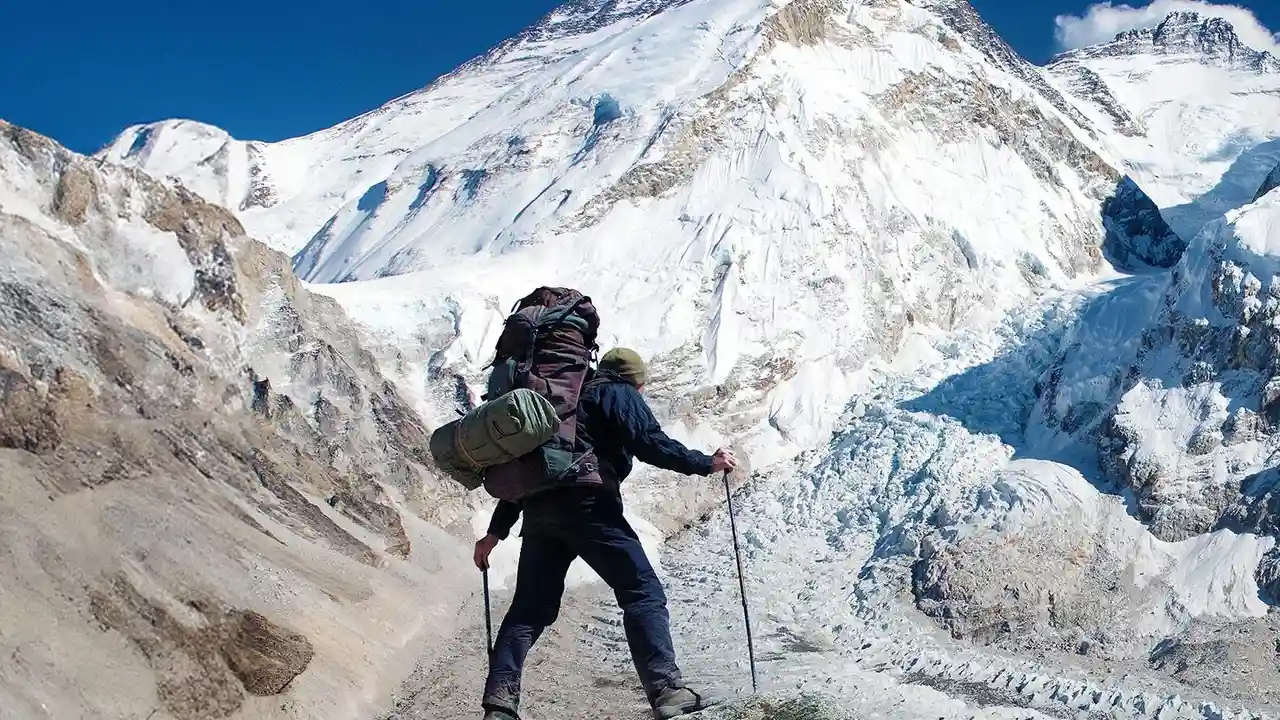
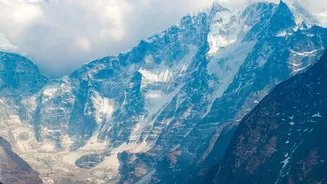
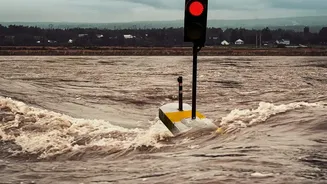
A catastrophic flood in late August 2026 in Nepal's Bhotekoshi and Trishuli river valleys served as a brutal reminder of the evolving nature of these hazards. Initial reports were unclear, but scientists now believe the event was not a typical GLOF. Instead, a massive section of a glacierized mountainside, weakened by thawing permafrost, collapsed. The impact was so immense it registered as a magnitude 5.2 seismic event. This rock and ice avalanche plunged into the river valley below, creating a temporary dam that, upon bursting, unleashed a wall of water that rose up to nine meters in just 30 minutes in some areas. This highlights a new dimension of the threat: it's not just the lakes that are dangerous, but the very mountainsides, destabilized by warming, that are becoming sources of cascading disasters.
Life on the Frontline in Nepal
For communities in Nepal, these climate-driven events are an existential threat. The August 2026 flood claimed hundreds of lives, with thousands more reported missing. It wiped out homes, markets, bridges, and critical hydropower infrastructure, which is vital for the nation's economy and energy independence. The destruction of roads and bridges has left many communities isolated, hampering rescue and relief efforts. This is not an isolated incident. In 2024, a GLOF in the Thame valley near Mount Everest destroyed homes and a school. In July 2025, a smaller flood in the same river system washed away a key bridge connecting Nepal to China. These repeated disasters show a pattern of increasing frequency and intensity, leaving communities in a constant state of vulnerability.
A Crisis That Crosses Borders
The instability of the Himalayas is not just Nepal's problem. The mountain range is the 'Third Pole,' feeding ten of Asia's largest river systems, including the Ganges and Brahmaputra, which sustain nearly two billion people downstream in countries like India and Bangladesh. The recent flood in Nepal saw bodies recovered hundreds of miles downstream in India, a grim illustration of the transboundary nature of these events. The increased melting of glaciers presents a dual threat: in the short term, catastrophic floods, and in the long term, a critical reduction in water flow to these major rivers, threatening water security for vast populations. This is particularly concerning for the Indian Himalayas, where estimates suggest around 900 glaciers could be precariously positioned on steep, unstable slopes.
The Search for Solutions
In response to the growing threat, Nepal has begun taking action, but the scale of the challenge is immense. Efforts have been made to lower the water levels in some of the most dangerous glacial lakes, such as Imja Tsho and Tsho Rolpa. A new $50 million project is underway to lower the levels of four more high-risk lakes. However, some scientists argue that lowering lakes by just a few meters is not enough to significantly reduce the risk and that more substantial drainage is needed. Alongside engineering solutions, the focus is on developing and improving early warning systems. The rapid nature of these disasters, sometimes unfolding in minutes, makes effective warning crucial but incredibly difficult. Experts agree that what is truly needed is greater international cooperation on monitoring, data sharing, and risk management, especially for hazards that originate in one country and cause devastation in another.