






The Unsung Hero: Dietary Fibre
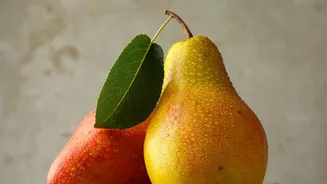
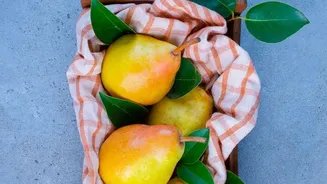
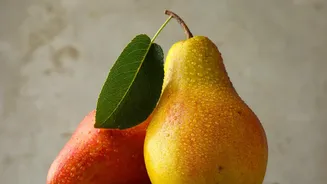
When you bite into a fresh nashpati, you get more than just its sweet, granular texture. You get a significant dose of dietary fibre, particularly in the skin. A single medium-sized pear contains about 6 grams of fibre, which is a substantial portion
of your daily requirement. This fibre is a mix of soluble and insoluble types, both crucial for digestive health. It helps maintain bowel regularity, prevents constipation, and makes you feel full for longer, which can aid in weight management. The fibre in pears, including a special type called pectin, also feeds the good bacteria in your gut, contributing to a healthy digestive system. Crucially, fibre slows down the absorption of sugar into your bloodstream, helping to regulate blood sugar levels.
What’s Lost When You Juice?
Turning a pear into juice might seem like a quick way to get its nutrients, but the process strips away its most valuable asset: fibre. Juicers work by separating the liquid from the pulp and skin, which is where most of the fibre resides. What you’re left with is a beverage that is high in sugar, even if it's natural sugar. Without the fibre to slow down absorption, this sugar hits your bloodstream much faster, causing a spike in blood sugar that you wouldn't experience when eating the whole fruit. Think of it this way: you could easily drink the juice of three or four pears in a single glass, consuming a concentrated amount of sugar you’d be unlikely to eat in whole fruit form. This liquid-first approach misses the point of how the fruit was designed by nature to be consumed.
The Hidden Cost of Sweetness
Whether it's in a traditional dessert, a murabba (preserve), or a commercially packaged drink, adding sweeteners to nashpati fundamentally changes its health profile. The natural, mild sweetness of the fruit gets overshadowed by processed sugars. Consuming excess free sugars is linked to a higher risk of several health issues, including heart disease and type 2 diabetes. Even though the sugar in juice is natural, the World Health Organization classifies it as a 'free sugar', similar to the sugar added to fizzy drinks, because it is no longer bound within the fruit's cellular structure. When you eat a nashpati fresh, its natural sweetness is balanced by its water and fibre content, making it a healthy way to satisfy a sugar craving. Adding more sugar simply adds empty calories and undermines the fruit's inherent benefits.
Preserving Nutrients and Flavour
Beyond fibre, the whole nashpati offers a wealth of nutrients, including Vitamin C, Vitamin K, potassium, and copper. Many of these nutrients, along with powerful antioxidants like flavonoids and polyphenols, are concentrated in or just beneath the skin. These compounds help protect your body against inflammation and oxidative damage. Processing, especially that which involves heat, can degrade some of these delicate vitamins. Eating the fruit raw and unpeeled ensures you get the full spectrum of its nutritional benefits. Furthermore, the true, subtle flavour of a nashpati—its unique crispness and gentle sweetness—is best appreciated in its natural state. Juicing and sweetening can easily mask these delicate notes, turning a complex natural food into a one-dimensional sweet drink or dessert.