




Waves on a Desert World
Imagine ripples not in water, but in temperature, stretching for thousands of kilometres across a planetary surface. This is the essence of the recent discovery made on Mars. Scientists from India's prestigious Physical Research Laboratory (PRL) have
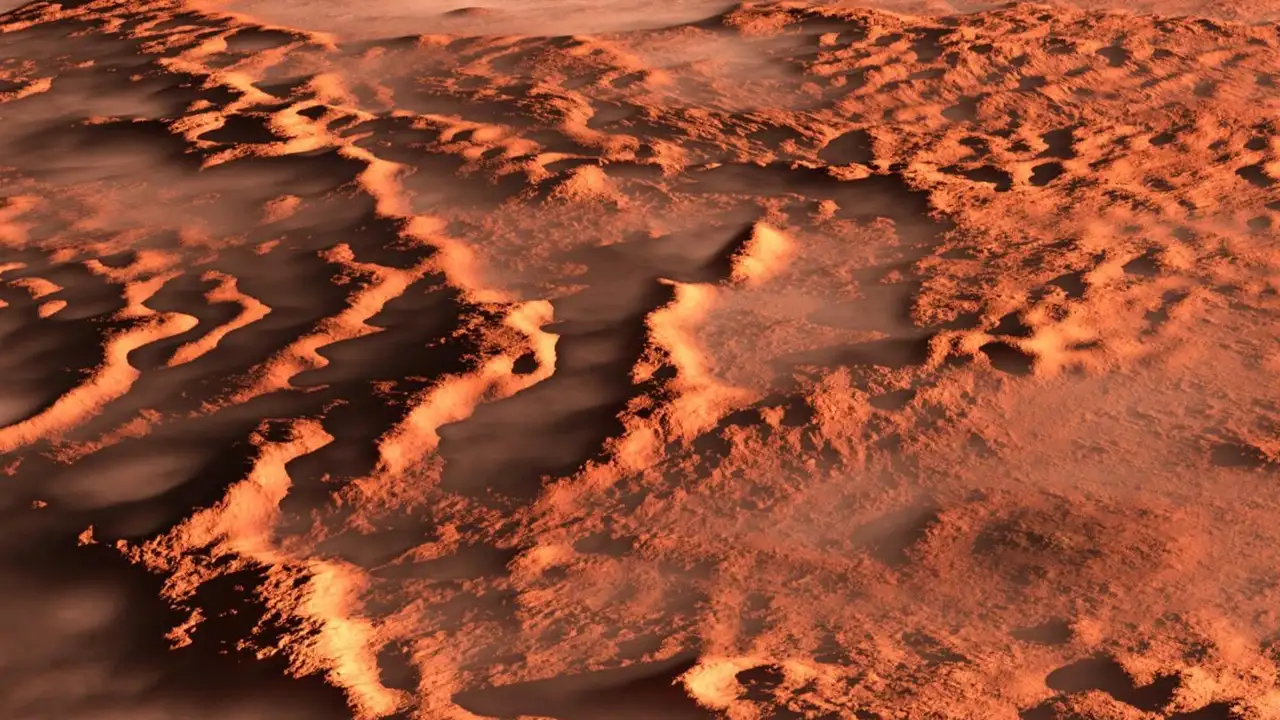
identified what are known as zonal waves in the planet’s surface temperature readings. These aren't physical waves you could see, but rather vast, organised patterns of warmer and cooler zones that circle the planet. The study focused on two of Mars's most prominent features: the colossal Hellas and Argyre impact basins. Researchers found that temperatures in these regions don't just change with the seasons; they oscillate in large-scale wave formations. The patterns vary in complexity, with the Argyre basin showing a simpler, single-wave pattern while the deeper Hellas basin exhibits more intricate two- and three-wave structures depending on the time of year. This suggests the planet's dramatic topography plays a huge role in shaping its climate.
India's Scientists Decode the Red Planet
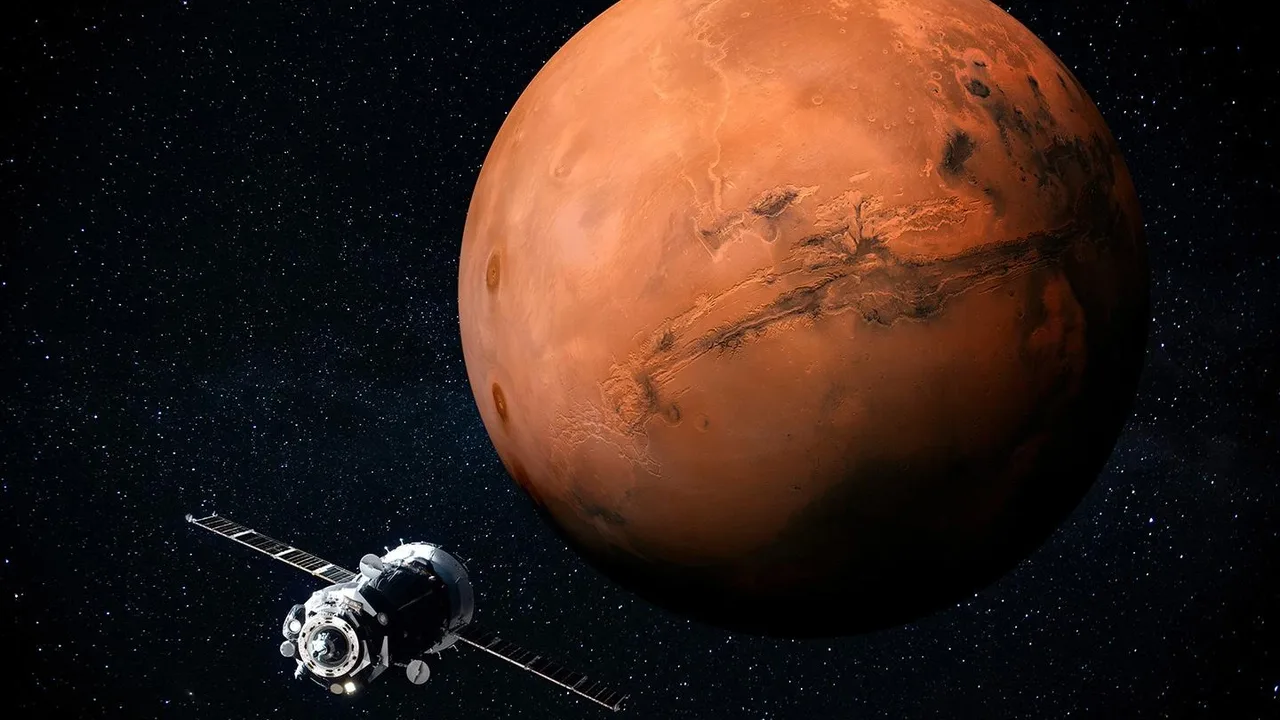
This significant finding places Indian space science at the forefront of planetary research. The team from PRL, an institution renowned for its contributions to astronomy and earth sciences, utilised a wealth of data to uncover these subtle patterns. The work showcases a growing trend of international collaboration in space exploration. The data itself came from the Hope spacecraft, the United Arab Emirates' first interplanetary mission. By meticulously analysing thermal readings from the orbiter's infrared spectrometer, the PRL team was able to build a comprehensive map of Martian surface temperatures over time. This allowed them to look beyond the daily temperature swings, which can plummet to -123 degrees Celsius at night and reach a relatively mild 22 degrees in the day, to see the larger, underlying climatic engine at work.
A Glimpse into the Martian Atmosphere
So, why are these temperature waves so important? Because they act as a proxy, giving scientists an indirect but valuable look into Mars's thin and elusive atmospheric circulation. On Earth, massive air currents like the jet stream move heat around the globe, defining our weather systems. Mars has a much thinner atmosphere, making it harder for heat to be trapped and distributed. These newly discovered zonal waves demonstrate that there is a large-scale, organised system for transporting energy across the Martian surface, heavily influenced by the atmosphere's interaction with giant geological features like basins and volcanoes. Think of it like seeing the patterns wind makes on the surface of a pond; you can't see the air itself, but you can see its effect on the water. Similarly, these temperature waves reveal the motion of the atmosphere above.
Forecasting the Weather on Another World
Understanding these atmospheric dynamics is not just an academic exercise. It has profound practical implications for past, present, and future missions to Mars. For the rovers currently operating on the surface, like NASA's Curiosity and Perseverance, accurate weather forecasting is crucial for optimising operations and ensuring their safety, especially during dust storm season. Knowing how and where energy is transported through the atmosphere allows for the creation of far more sophisticated and reliable climate models. These models can help predict weather patterns weeks in advance, protecting our robotic explorers. Looking further ahead, as humanity sets its sights on sending astronauts to Mars, a deep understanding of its weather is non-negotiable. Knowing the planet’s climate inside and out will be fundamental to designing habitats, planning missions, and keeping future explorers safe on a world where the weather can be incredibly hostile.