



A Neighbourhood Known as the 'Ring of Fire'
To understand Japan's seismic reality, one must first look at its location. The nation is a key feature of the Pacific Ring of Fire, a massive horseshoe-shaped belt that encircles the Pacific Ocean. This 40,000-kilometre zone is home to about 75% of the world's
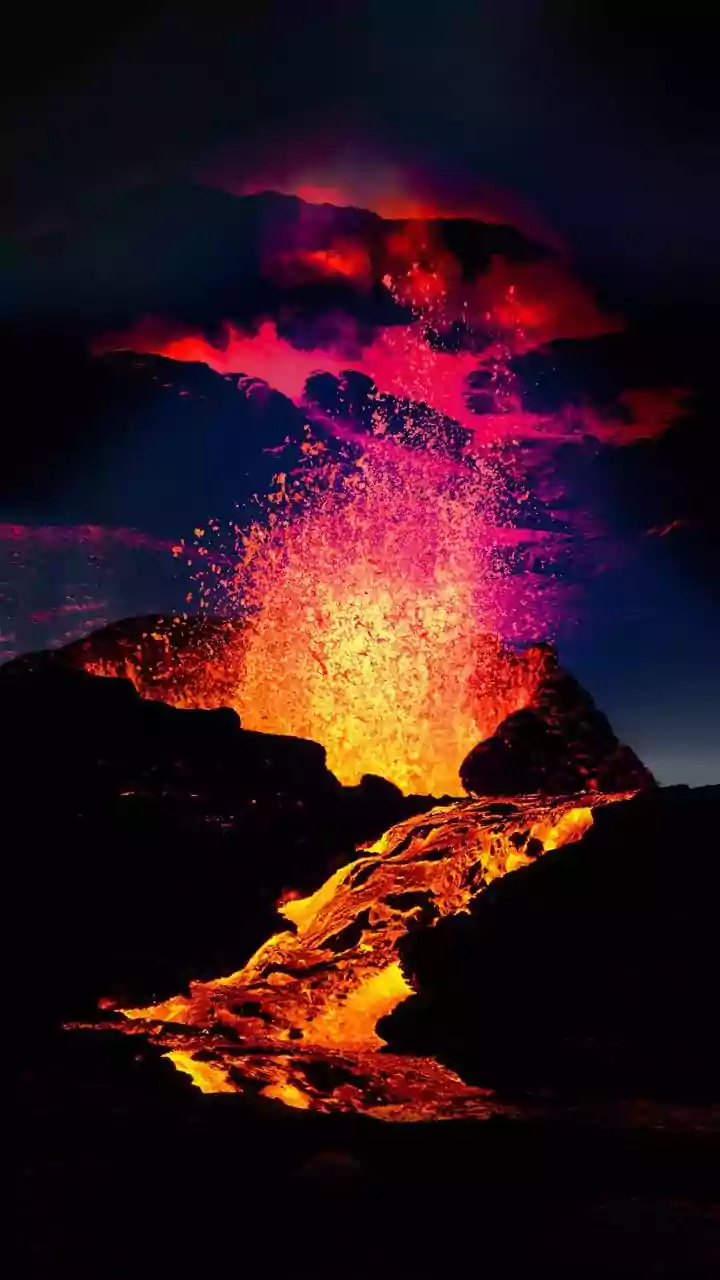
active volcanoes and is the stage for roughly 90% of all earthquakes. The Ring of Fire isn't a place, but a process: it marks the boundaries where colossal slabs of the Earth’s crust, known as tectonic plates, collide, slide past, or dive under one another. This constant, powerful movement is what fuels the intense geological activity for which the region is famous.
The Great Tectonic Collision
Japan's situation is uniquely precarious because it sits at the junction of four major tectonic plates: the Pacific, North American, Eurasian, and Philippine Sea plates. Imagine four massive ice floes grinding against each other, and you get a sense of the immense forces at play deep beneath the Japanese archipelago. The oceanic Pacific Plate moves westwards at a rate of about 8 to 9 centimetres per year, forcing its way under the continental plates that Japan sits upon. Simultaneously, the Philippine Sea Plate dives beneath the south of the country. This complex and crowded intersection makes Japan one of the most tectonically active areas globally, accounting for a significant percentage of the world's seismic energy release.
The Science of Subduction and Shaking
The primary engine for Japan's powerful quakes is a process called subduction. This occurs when a denser oceanic plate, like the Pacific Plate, meets a lighter continental plate and is forced to plunge beneath it into the Earth's mantle. The process is not smooth. As the plates scrape against each other, immense stress and pressure build up over decades or even centuries. When the friction holding them in place is finally overcome, this stored energy is released in a sudden, violent burst, creating seismic waves that we experience as an earthquake. When this rupture happens offshore, it can displace a massive volume of water, generating devastating tsunamis, as seen in the tragic 2011 Tōhoku earthquake.
From Geological Destiny to a Culture of Resilience
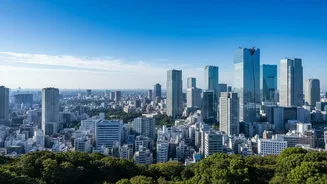
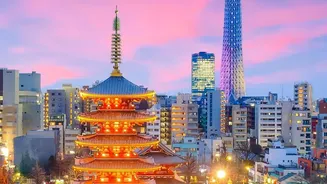
While its geology dictates a destiny of frequent tremors, Japan has refused to be a passive victim. The nation is a world leader in earthquake preparedness and engineering, a status forged from hard-learned lessons. Following catastrophic quakes, Japan has continually updated its building codes, which are now among the strictest on the planet. Modern Japanese skyscrapers are engineering marvels designed not to resist shaking, but to adapt to it. They incorporate technologies like base isolation systems with rubber pads that allow the building to sway gently, and advanced damping systems that act like shock absorbers to dissipate seismic energy. The iconic Tokyo Skytree, for example, uses a central column inspired by ancient pagodas to counteract vibrations and remain stable during a tremor.
Living on Shaky Ground: A National Effort
This resilience extends far beyond architecture. Preparedness is woven into the fabric of daily life. The country boasts one of the world's most sophisticated earthquake early-warning systems, which sends alerts to mobile phones, television, and radio seconds before the strongest shaking arrives, giving people a crucial window to take cover. From a young age, citizens participate in regular emergency drills in schools and workplaces. Homes are often equipped with emergency kits containing essentials like water, food, and first-aid supplies. This collective consciousness and constant innovation demonstrate how a society can adapt to a fundamental, and often violent, aspect of its natural environment, turning a constant threat into a driver for ingenuity and community strength.