



India's electric vehicle market just had a blockbuster month. Retail sales of electric passenger vehicles soared by an incredible 76% year-on-year in October 2026, even as the broader car market saw a decline. Here’s what’s driving the charge.
The Big Picture: A Market in Overdrive
October
2026 was a landmark month for electric mobility in India. According to retail data from the Federation of Automobile Dealers Associations (FADA), a total of 37,049 electric passenger vehicles were registered, a massive jump from the 20,995 units sold in October 2025. This growth is even more striking when you consider that the overall passenger vehicle market actually shrank by over 14% during the same period. As a result, the market share for electric cars more than doubled, climbing to 7.3% of all new car registrations, up from just 3.5% a year prior. This highlights a significant shift in consumer preference, spurred by factors like rising fuel prices and a growing variety of EV models available to buyers.
Tata Motors Still in the Driver's Seat
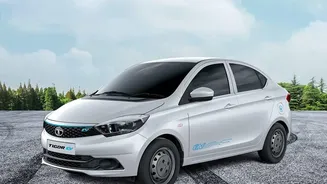
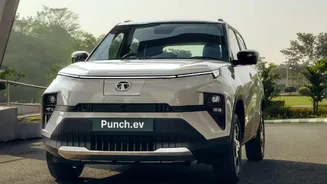
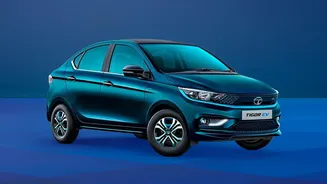
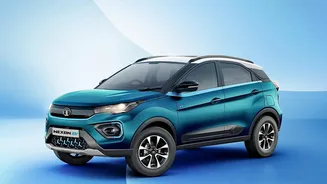
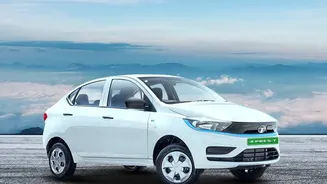
Tata Motors, through its Tata Passenger Electric Mobility arm, continues to dominate India's EV space. The homegrown automaker retailed 14,669 electric vehicles in October, marking a robust 77.6% year-on-year growth and securing a market share of nearly 40%. This sustained leadership is built on a multi-pronged strategy. Tata offers the most diverse EV portfolio in the country, with models spanning various price points, from the accessible Tiago EV and Punch EV to the popular Nexon EV and the newer Curvv and Harrier EVs. The Punch EV, in particular, has been a standout performer, becoming the first electric car in India to cross 5,000 wholesale dispatches in a single month. This broad lineup ensures Tata has an offering for nearly every type of EV buyer.
Competition Heats Up
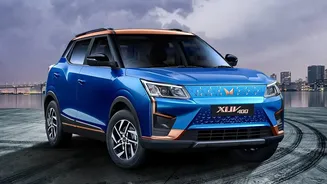
While Tata remains the clear leader, it is no longer the only major player. Mahindra & Mahindra has firmly established itself in the number two spot. The company sold 8,538 EVs in October, an impressive 85.7% increase from the previous year, boosting its market share to over 23%. Mahindra's growth has been powered by its premium electric SUV offerings, particularly its XEV range. Following in third place is JSW MG Motor India, which sold 5,939 units. Although its year-on-year growth was a more modest 10.8%, MG continues to be a significant force with popular models like the Comet and ZS EV. Together, these top three manufacturers account for nearly 80% of the entire Indian electric car market.
The Rise of New Challengers
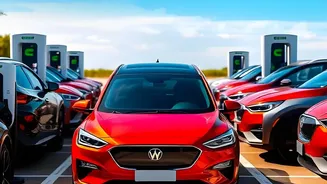
Beyond the top three, the market is becoming more crowded and competitive. Vietnamese automaker VinFast has made a significant impact, growing from just 142 units in October 2025 to 2,571 units in October 2026, capturing over 7% of the market. Established brands are also making inroads. Kia India's EV sales grew by over 85%, and Maruti Suzuki is gradually increasing its electric footprint, selling 1,200 units in the month. Even luxury brands like BMW and legacy players like Hyundai and Toyota are part of the expanding landscape, signaling that the EV race is only just beginning.
What's Next for India's EV Journey?
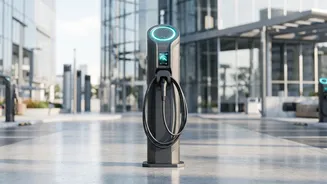
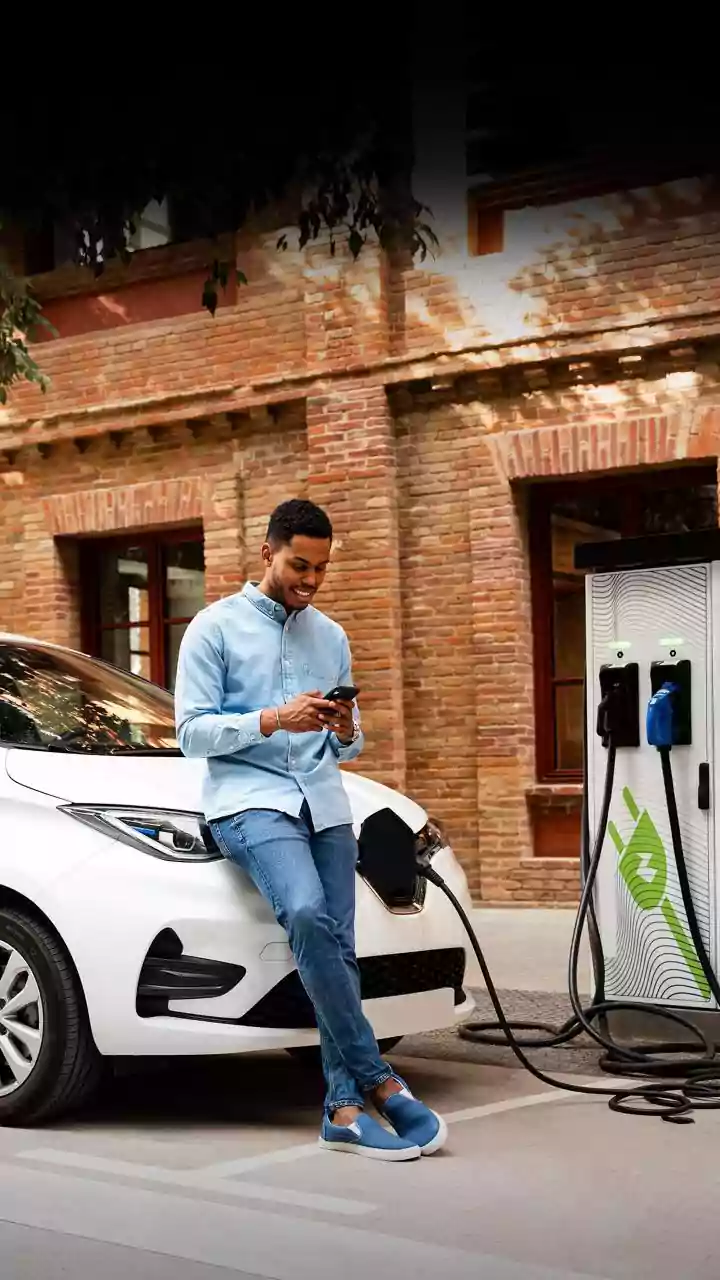
The explosive growth in October suggests that electric vehicles are rapidly moving from a niche interest to a mainstream choice for Indian consumers. The increasing number of models, improving range, and a slowly expanding charging infrastructure are all contributing to this momentum. However, challenges remain. Affordability is still a key barrier for many potential buyers, and the public charging network needs to grow significantly to support this expanding fleet. Despite these hurdles, the festive season surge proves the appetite is there. As more manufacturers launch new electric models and battery technology continues to improve, the road ahead for India's EV market looks exceptionally bright.