






Wholesale Dreams vs. Retail Reality
The first and most critical distinction to make is between wholesale and retail sales. Most headline-grabbing numbers reported by manufacturers are wholesale figures—the number of vehicles shipped from the factory to dealerships. This is often done in anticipation
of demand, not in response to it. Dealers stock up their showrooms and yards weeks or even months before festivals like Navratri and Diwali begin. The real measure of consumer demand is retail sales, which are the actual purchases made by customers from those dealerships. The Federation of Automobile Dealers Associations (FADA) releases this data, and it often tells a more sober story than the wholesale figures suggest.
The Inventory Cushion
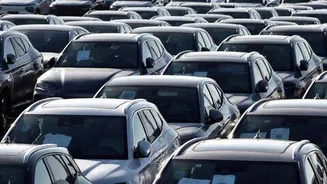
High wholesale numbers leading into the festive season create an inventory pile-up at dealerships. As of August 2026, passenger vehicle inventory stood at around 38-40 days, well above the 21-day benchmark recommended by FADA. This means dealers have a large stock of cars they need to sell. This build-up is a calculated gamble by manufacturers, betting on strong festive footfalls. While it shows industry optimism, it also means that high sales figures during the festival might simply reflect dealers clearing out this pre-stocked inventory, rather than a sustainable surge in new, organic demand. FADA has even urged manufacturers to bill dealers strictly based on retail sales to avoid locking up capital in ageing stock.
The Tale of Two Indias: Rural vs. Urban
Festive demand is not a monolith; it behaves differently in urban and rural markets. Urban demand is often driven by new launches, a desire for premium features, and a shift towards SUVs and alternative fuels like hybrids and EVs. In August 2026, for the first time, alternative fuel vehicles outsold petrol cars, showcasing a significant shift in urban preferences. Rural demand, however, is more closely tied to the health of the agricultural economy. A good monsoon and healthy crop yield can significantly boost sales of entry-level cars and, especially, two-wheelers. Recent data has shown rural demand decoupling slightly from the monsoon, with the non-farm rural economy showing strength, but a rainfall deficit remains a key risk that dealers are watching closely.
Discounts, Base Effects, and Policy Changes
Automakers often roll out attractive discounts, financing schemes, and exchange offers to lure customers during the festive period. These promotions can pull future demand into the present, making the festive months look exceptionally strong at the expense of the following quarter. Furthermore, year-on-year comparisons can be tricky. The 2026 festive season, for instance, is being measured against a very high base from 2025, which saw a massive surge in sales after GST 2.0 tax cuts made vehicles more affordable. This high base means that even if absolute sales volumes are healthy in 2026, the percentage growth may appear modest or flat, which isn't necessarily a sign of weakness.
How to Read the Real Story
To get a true picture of festive demand, look past the initial wholesale numbers. Instead, focus on FADA's monthly retail data to see what customers are actually buying. Pay attention to dealer inventory levels post-Diwali; if they remain high, it suggests demand didn't meet expectations. Track the sales mix—are entry-level vehicles moving in rural areas? Are premium and electric models finding buyers in cities? Finally, look for sustained momentum. True strength isn't a 45-day spike but stable retail sales that continue into the months following the festive rush, indicating genuine consumer confidence and economic health.