





The Power of a Simple Twist
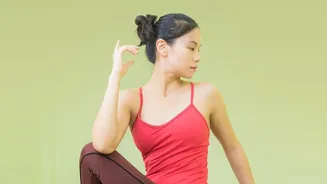
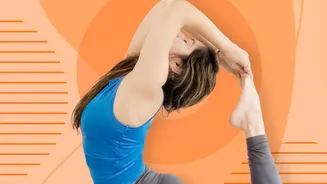
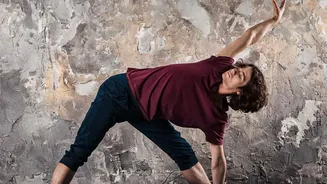
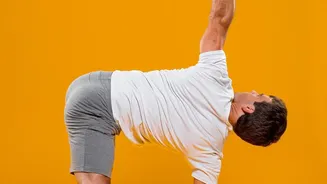
Twisting poses are a cornerstone of yoga, celebrated for their ability to rejuvenate the body and mind. When performed in a controlled manner, they act like a gentle massage for your internal organs, which can aid digestion and detoxification. Physically,
these movements improve spinal mobility, helping to decompress the vertebrae and relieve stiffness that builds up from long hours of sitting. This is especially beneficial for reducing tension in the back, shoulders, and neck. Mentally, the act of twisting and then releasing helps calm the nervous system. By pairing the movement with your breath, you signal to your body that it's safe to relax, shifting out of a 'fight or flight' stress response and into a state of 'rest and digest'.
Three Gentle Twists for Your Day
The key to a safe and effective twist is to lengthen your spine before you rotate and to let your breath guide the movement. Never force a twist; the goal is a gentle release, not a deep pretzel shape. The main rotation should come from your middle and upper back, not your lower back.1. The Desk Chair Twist: Perfect for a mid-day reset at the office. Sit tall in your chair with both feet flat on the floor. Inhale to lengthen your spine, imagining a string pulling the crown of your head upward. As you exhale, gently twist your torso to the right, placing your left hand on your right thigh and your right hand on the armrest or back of the chair for light support. Keep your hips facing forward. Hold for three to five deep breaths, inhaling to lengthen and exhaling to perhaps soften deeper into the twist. Return to center and repeat on the left side.2. The Standing Queue Twist: A subtle move you can do almost anywhere. While standing, shift your weight into your right foot. Inhale and lengthen your spine. As you exhale, gently twist your upper body to the left, reaching your right arm forward and your left arm back slightly. The movement should be small and initiated from your core. It's less about a deep stretch and more about waking up the spine. Hold for a couple of breaths and repeat on the other side.3. The Wind-Down Supine Twist: An ideal way to release tension before sleep. Lie on your back and draw both knees into your chest. Extend your arms out to the sides in a 'T' shape. As you exhale, gently drop both knees over to your left side. Try to keep both shoulders grounded on the floor; it's more important for your shoulders to stay down than for your knees to touch the ground. You can place a pillow under your knees for support. Turn your head to gaze over your right shoulder if that feels comfortable. Hold for 5-10 slow breaths before returning to the center and repeating on the other side.
Finding Calm in an Instant
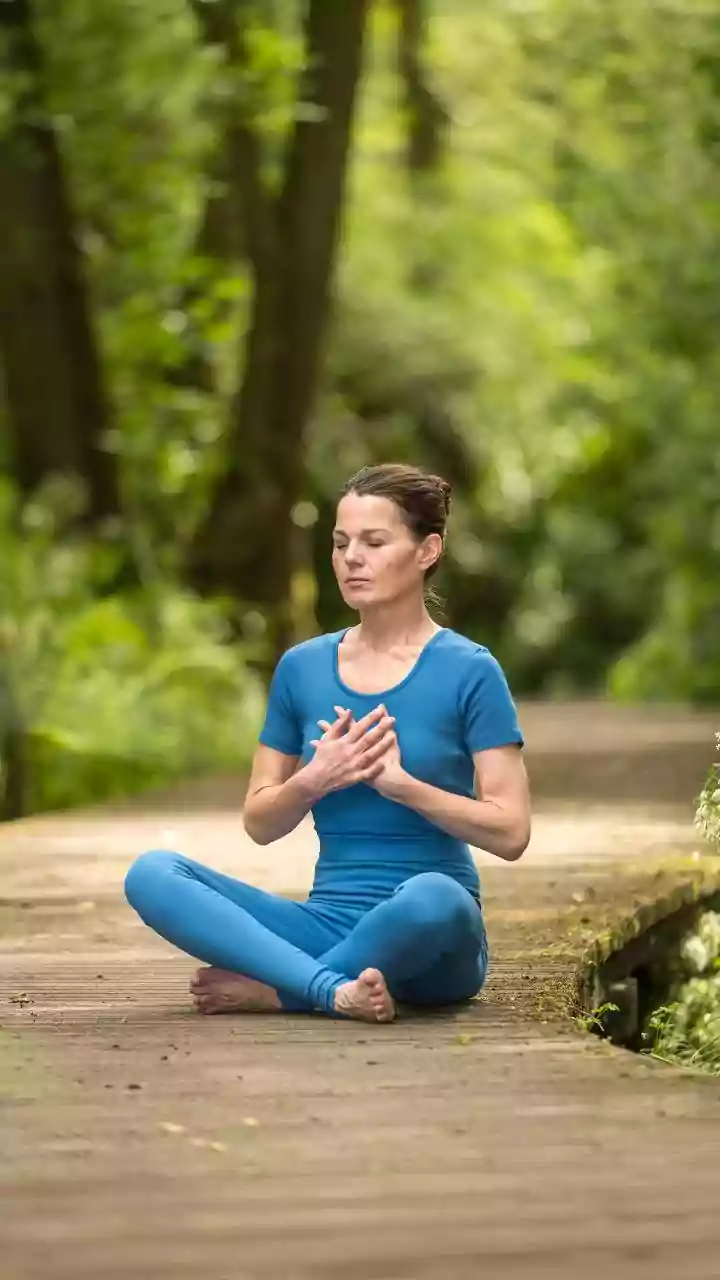
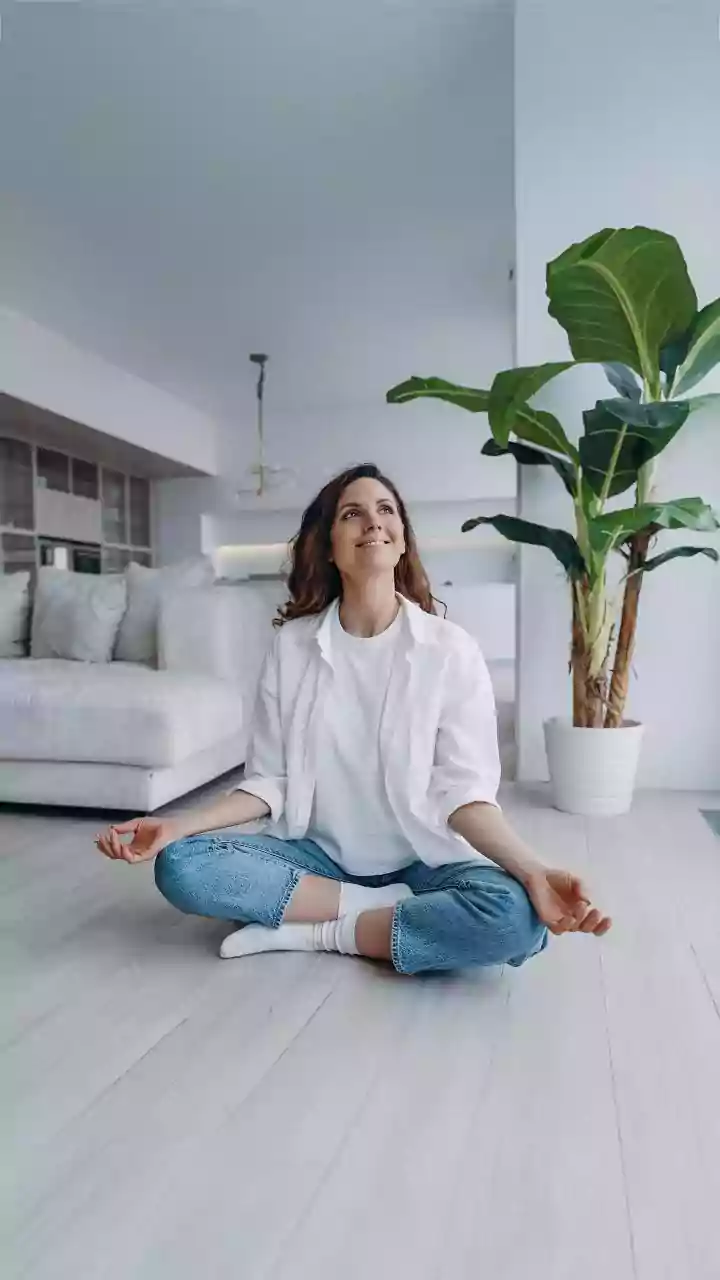
Relaxation isn't just about poses; it's about conscious breathing and awareness. These techniques can be done anytime, anywhere, to instantly reduce stress. One of the most effective methods is simply becoming aware of your breath. Sit or stand comfortably and take a few slow, deep breaths through your nose. Feel your belly expand on the inhale and soften on the exhale. This simple action activates the body's relaxation response.Another powerful tool is a quick body scan. Close your eyes for a moment and bring your attention to your feet. Notice any sensations without judgment. Slowly move your awareness up through your legs, torso, arms, and all the way to the top of your head. Consciously invite each part of your body to relax and release any tension it might be holding. This practice brings you into the present moment and helps quiet anxious thoughts.
Making It a Habit
The secret to reaping the long-term benefits of these movements is consistency. Instead of trying to add another task to your to-do list, weave these micro-practices into your existing routine. Associate the chair twist with your hourly screen break. Practice the standing twist while you wait for your morning tea or coffee to brew. Make the supine twist a non-negotiable part of your bedtime ritual to prepare your body for restful sleep. By linking these new habits to established ones, you make them feel effortless and automatic. Start with just one a day and notice the difference. Over time, these small moments of self-care accumulate, leading to improved spinal health, better stress management, and a greater sense of overall well-being.