



The Dynamic Rush of Skating
Skating, whether on rollerblades or ice skates, is a formidable cardiovascular workout. It elevates the heart rate, builds endurance, and can burn a significant number of calories, making it an effective activity for weight management. The primary muscles
engaged are in the lower body—glutes, quads, and hamstrings—but the core is constantly working to maintain stability. This makes skating a full-body exercise that builds strength while being relatively low-impact on the joints compared to running. Beyond the physical, skating offers significant mental benefits. The focus required to balance and move can induce a 'flow state', a meditative condition of complete immersion that helps reduce stress and anxiety. This combination of physical exertion and mental focus makes skating a joyful way to exercise and clear the mind.
The Gentle Strength of Tai Chi
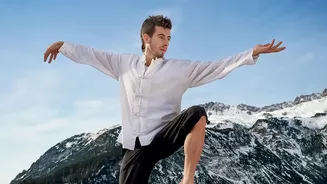
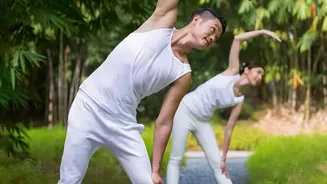
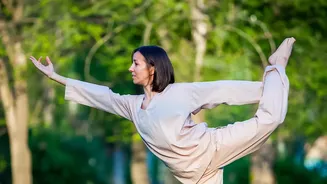
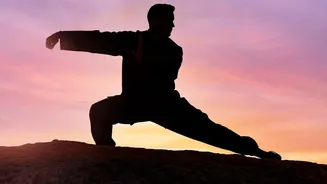
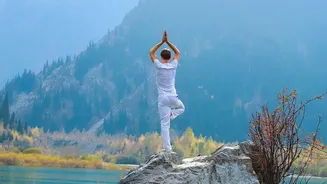
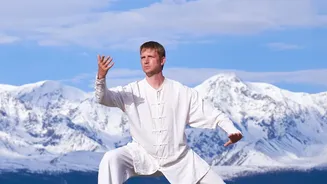
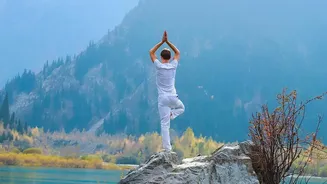
Often described as 'meditation in motion', Tai Chi is an ancient Chinese martial art that involves a series of slow, flowing movements paired with deep breathing. It is a low-impact exercise suitable for all ages and fitness levels. Its primary benefits lie in improving balance, flexibility, and muscle strength, particularly in the lower body and core. Numerous studies have shown Tai Chi's effectiveness in preventing falls among older adults by enhancing proprioception—the body's ability to sense its position in space. Mentally, the practice is renowned for its calming effects. The focus on slow, deliberate movements helps quiet the mind, reduce stress, and improve overall psychological well-being. Research has highlighted its benefits for conditions like depression, anxiety, and even improving cognitive capacity.
A Surprising Common Ground: Balance and Core
Though they operate at different speeds, skating and Tai Chi are both exceptional for developing balance and core strength. Skating builds reactive balance, forcing your body to make constant, rapid adjustments to maintain stability while in motion. This engages your core muscles dynamically. Tai Chi, conversely, builds static and controlled balance. The slow, deliberate weight shifts and single-leg stances train your muscles and nervous system to maintain stability with precision and control. Both activities train the body to find its center of gravity, but through different methods. Skating challenges your stability against momentum, while Tai Chi challenges it through stillness and control. The end result for both is a stronger core and a more intuitive sense of balance that translates directly into everyday movements, reducing the risk of falls and injury.
The Crucial Role of Regular Practice
Neither skating nor Tai Chi will yield significant benefits from a single session. The key to unlocking their full potential lies in consistent and regular practice. Practice is what transforms potential into skill, building competence, confidence, and crucial muscle memory. In skating, repetition is what allows you to move from cautiously shuffling to gliding with confidence. It refines your technique, strengthens the specific muscles needed for propulsion and stability, and eventually makes the movements feel natural. Similarly, mastering a Tai Chi form doesn't happen overnight. Regular practice strengthens neural pathways, allowing the complex sequence of movements to become fluid and automated. This consistency is essential for maintaining skills; just as muscles weaken without use, the balance and coordination gained from these activities can diminish if not regularly reinforced. Deliberate, focused practice ensures continued growth and allows you to reap the long-term health benefits, from improved cardiovascular fitness to enhanced mental clarity.