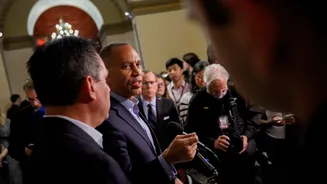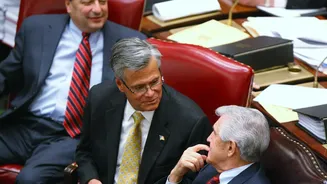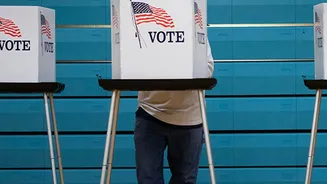


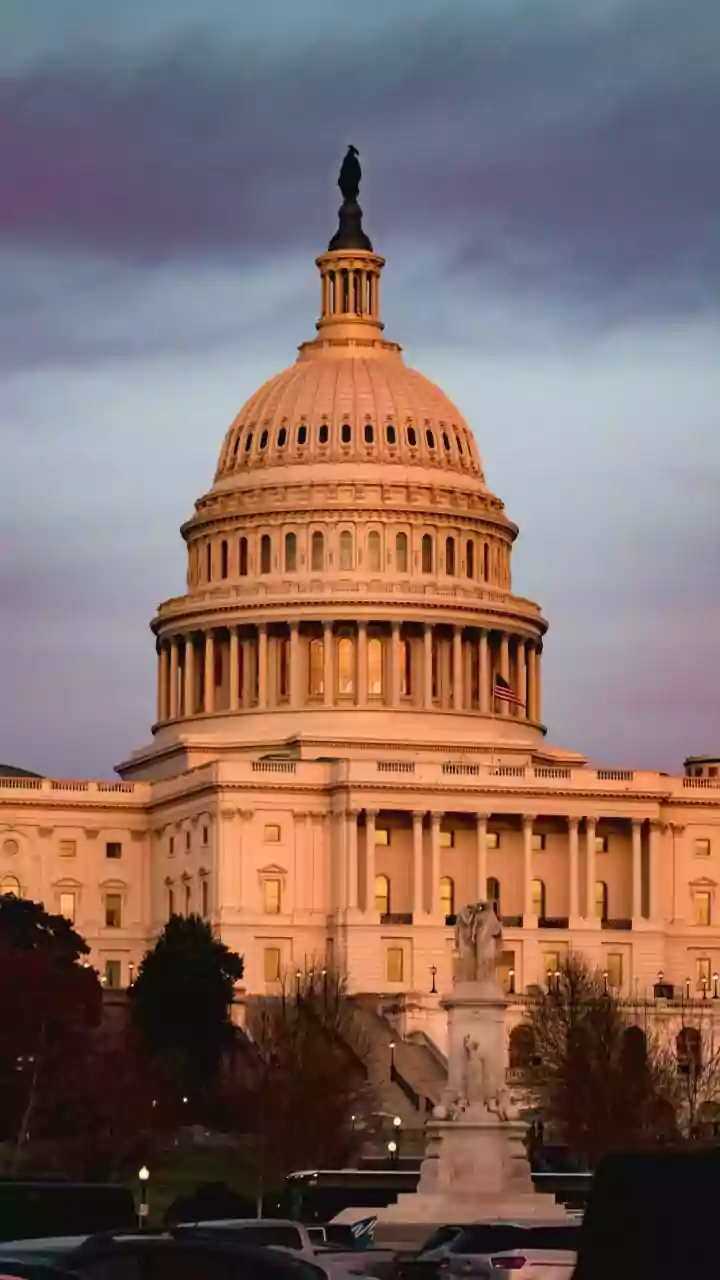

The 2026 midterm elections are over, and the balance of power in Washington has officially shifted. With Democrats taking control of Congress, President Trump now faces a divided government, changing the entire dynamic of how laws are made.
A New Power Dynamic in Washington
The defining
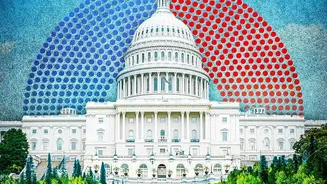
outcome of the November 2026 midterm elections is the arrival of divided government. With Democrats securing majorities in both the House of Representatives and the Senate, President Trump and his Republican administration must now navigate a political landscape where the opposition controls the entire legislative branch. This isn't an uncommon scenario in American politics; in fact, it has become more frequent since the 1970s. However, it fundamentally alters the President's ability to advance his agenda. For the past two years, a unified government meant a smoother path for the administration's priorities. Now, every piece of legislation, from major policy overhauls to routine government funding, will require negotiation and compromise with an empowered opposition.
The Veto Pen Becomes a Key Weapon
With Congress now in the hands of the opposition, President Trump's most powerful legislative tool becomes the veto. The U.S. Constitution gives the president the authority to reject a bill passed by Congress, preventing it from becoming law. In a unified government, this power is used more sparingly because the president and congressional leadership are generally aligned. But in a divided government, the White House can expect to receive a steady stream of bills it opposes. As a result, the veto transforms from a rarely used constitutional provision into a primary instrument of presidential power, allowing the president to act as the ultimate backstop against the legislative agenda of the opposing party.
How a Presidential Veto Works
The veto process is straightforward. Once both the House and Senate pass a bill, it is presented to the president. From there, the president has ten days (not including Sundays) to act. He can sign the bill, making it law. He can also refuse to sign it, sending it back to Congress with a message explaining his objections; this is a regular veto. If the president does nothing and Congress remains in session, the bill automatically becomes law after ten days. However, there's a third option known as the 'pocket veto'. If Congress adjourns during the ten-day period, the president can simply do nothing, and the bill fails to become law. A pocket veto cannot be overridden by Congress.
The Veto Override: A High Hurdle
the president's veto is not absolute. The Constitution provides a check on this power: the veto override. Congress can make a vetoed bill into law without the president's signature, but the threshold is intentionally high. To override a veto, a two-thirds majority vote is required in both the House of Representatives and the Senate. This is an incredibly difficult feat, especially in today's polarized political climate. Securing a simple majority is one thing; getting two-thirds of members, including many from the president's own party, to defy their leader is another challenge entirely. Historically, Congress has successfully overridden only a small fraction of all presidential vetoes, making it a powerful but rarely successful tool for the legislative branch.
What Actually Gets Done Now?
With a divided government, the era of ambitious, partisan legislation coming from the White House is likely over. Instead, the focus will shift. Expect legislative gridlock on many hot_button issues. However, some things must get done. 'Must_pass' bills, such as those that fund the government or raise the debt ceiling, will become major battlegrounds for negotiation and political brinkmanship. The opposition in Congress may also use its power to launch investigations into any administration. While history shows that divided governments can sometimes produce landmark compromises, any current political environment suggests that any next two years will be defined more by conflict, oversight, and any heavy reliance on presidential power that exists outside of any legislative process,' such as executive orders.