






Record-Breaking Numbers
The first quarter of the 2026-27 financial year has been exceptional for India's automakers. According to the Society of Indian Automobile Manufacturers (SIAM), passenger vehicle (PV) dispatches from April to June 2026 reached an all-time high of over
1.27 million units, a jump of nearly 26% compared to the same period last year. June 2026 itself was a stellar month, with PV dispatches rising 24.1% year-on-year to 388,144 units. This robust performance wasn't limited to just cars; the industry saw broad-based growth across all major segments, suggesting a powerful momentum building within one of the economy's most critical sectors.
Growth Across All Segments
A deeper dive into the numbers reveals a healthy, widespread recovery. Two-wheeler sales, often seen as a barometer for rural and semi-urban sentiment, saw dispatches grow by over 20% in the April-June quarter. This indicates that demand in the hinterlands, which had been under pressure, is reviving. Meanwhile, the commercial vehicle (CV) segment, a direct indicator of economic and industrial activity, also posted its highest-ever first-quarter sales, with a growth of over 18%. When trucks and buses are selling well, it means goods are moving and businesses are investing, which are positive signs for the whole economy. Three-wheelers also saw a record-breaking quarter, with sales surging nearly 30%.
Dispatch vs. Retail: An Important Distinction
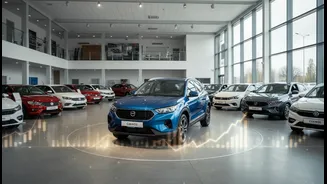
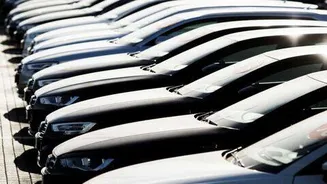
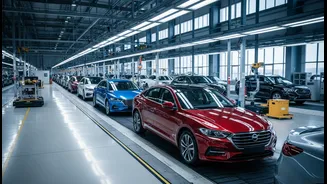
It's crucial to understand that these impressive figures represent 'dispatches' or 'wholesales'—vehicles sent from the manufacturer's factory to the dealer's showroom. They are a measure of the industry's confidence in future demand. However, they are not the same as 'retail sales', which is the number of vehicles actually purchased by end consumers. While wholesale growth has outpaced retail in some recent months, signalling a potential inventory build-up at dealerships, the underlying consumer demand remains strong. Automakers are essentially betting that buyers will continue to flock to showrooms, and so far, that bet seems to be paying off as retail sales have also been robust.
What's Fuelling This Boom?
Several factors are contributing to this upswing. Supportive government policies, including recent GST cuts on certain vehicle categories, have helped lower prices for buyers. Softer financing costs and better availability of loans have also made big-ticket purchases more accessible for many households. The industry is also benefiting from a wave of new model launches, particularly in the highly popular SUV segment, which now accounts for a majority of passenger vehicle sales. Furthermore, a stable supply of semiconductors and a good monsoon outlook, which boosts rural incomes, have created a positive environment for sustained growth.
Potential Speed Bumps Ahead
Despite the current optimism, the road ahead is not without its challenges. The industry remains watchful of several factors that could temper growth. Persistently high raw material costs could put pressure on manufacturer margins, potentially leading to price hikes for consumers. While consumer sentiment is currently positive, it remains sensitive to broader economic trends like inflation and interest rate movements. Automakers are also keeping a close eye on geopolitical developments and the progress of the monsoon, as these can have significant impacts on both input costs and rural demand. The real test will be converting the current wholesale momentum into sustained retail offtake through the upcoming festive season.