







Understanding Leather’s Delicate Nature
Leather is not a fabric; it is a preserved animal skin. Its surface is a complex network of microscopic collagen fibres, which give it both strength and flexibility. During the tanning process, this structure is stabilised, and essential oils and fats
(known as fatliquors) are added to keep the fibres lubricated. Think of these fibres like millions of tiny hinges that need to glide smoothly past one another. When they are properly hydrated and lubricated, the leather remains soft and supple. This unique structure is also slightly acidic, with a natural pH balance of around 4.5 to 5. Maintaining this balance is critical to preserving its integrity.
The Damage Caused by Harsh Methods
Many common household cleaners are the enemy of leather. Products containing alcohol, ammonia, bleach, or acetone are highly alkaline, meaning they have a high pH. When an alkaline cleaner is used on acidic leather, it triggers a damaging chemical reaction that strips the natural oils and disrupts the bonds holding the collagen fibres together. This process can effectively “un-tan” the hide, causing the fibres to grind against each other instead of gliding. The visible results are disastrous: the leather becomes dry, brittle, stiff, and prone to cracking. Abrasive scrubbing, even with a seemingly harmless cloth, can also wear away the protective topcoat and scratch the surface.
What 'Gentle Cleaning' Really Means
Gentle cleaning is a philosophy focused on working with the leather's natural properties, not against them. The cornerstone of this approach is using a pH-balanced cleaner specifically formulated for leather. These cleaners are designed to gently lift dirt, body oils, and grime from the pores without stripping the essential moisture. The method is just as important as the product. It involves using soft, non-abrasive tools like microfiber cloths and soft-bristled brushes, and always blotting spills instead of rubbing them. Finally, gentle care always includes conditioning, which replenishes the oils lost over time and keeps the material flexible.
Your Gentle Leather Care Toolkit
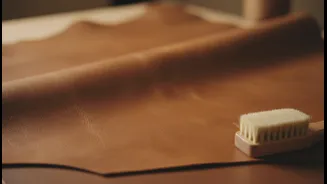
You don't need a lot of equipment to care for your leather properly. Having the right tools on hand makes the process simple and effective. Here’s what you should have: Microfiber Cloths: Have at least two or three clean, soft cloths for dusting, cleaning, and buffing. Soft-Bristled Brush: A brush with soft bristles (like a horsehair brush) is perfect for getting dust out of seams and textures without scratching. pH-Neutral Leather Cleaner: This is non-negotiable. It will clean effectively without causing chemical damage. Leather Conditioner: Choose a quality conditioner to restore moisture after cleaning. This prevents drying and cracking. * Distilled Water: For minor spots or diluting cleaners, use distilled water to avoid the mineral deposits found in tap water that can leave stains.
A Step-by-Step Guide to Safe Cleaning
Follow these steps every few months, or whenever your leather needs a refresh: 1. Dust First: Start by wiping the item with a dry microfiber cloth or using a soft brush attachment on your vacuum to remove loose dirt and dust. This prevents you from rubbing abrasive particles into the leather during cleaning. 2. Spot Test: Always test your cleaner and conditioner on a small, hidden area first to ensure it doesn't cause discoloration. 3. Clean Gently: Apply a small amount of the pH-balanced cleaner to a cloth, not directly onto the leather. Work in gentle, circular motions to lift the dirt. Don't scrub. For stubborn spots, blot gently. 4. Wipe Away Residue: Use a separate, clean, damp cloth to wipe away any excess cleaner. 5. Let It Dry: Allow the leather to air dry completely. Never use a hairdryer or place it in direct sunlight, as intense heat can cause it to shrink and crack. 6. Condition: Once dry, apply a small amount of leather conditioner to another clean cloth and buff it into the leather in a thin, even layer. Let it absorb for at least an hour before wiping away any excess.