



Beyond the 'Overrated' Debate
Egypt is a country that inspires passionate and often contradictory reviews. For every traveler who describes it as the most amazing place they’ve ever visited, another recounts feeling overwhelmed by the crowds, heat, and persistent touts. This dual
reality suggests that Egypt is too complex for a simple “worth it” or “overrated” label. The success of a trip here often comes down to preparation. The country operates at a pace and intensity that can be challenging, but those who arrive with a clear plan and managed expectations are almost always the ones who leave feeling enchanted rather than exhausted. Rather than asking if Egypt is good, a better question is: how can you make your visit a good one? The answer lies in smart timing, mental readiness, and a balanced itinerary.
The Art of Timing Your Trip
Choosing when to go is one of the most critical decisions you'll make. The peak summer months from June to August are punishingly hot, with temperatures soaring and making daytime exploration difficult. The most pleasant weather occurs from October to April, when daytime temperatures are comfortable and sunshine is plentiful. However, this period, especially from December to February, is also the peak tourist season, meaning major sites in Cairo, Luxor, and Aswan will be bustling. For a sweet spot of good weather and fewer people, consider the shoulder seasons: October to November and March to April. During these months, the summer heat has subsided, but the peak winter crowds have either not yet arrived or started to thin out, offering a more relaxed sightseeing experience.
Managing the Monumental Sites
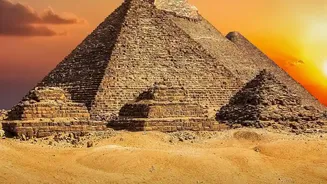
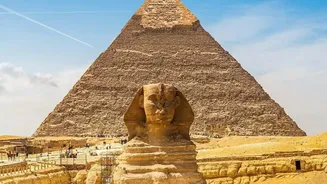
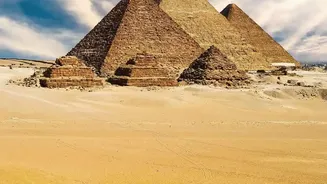
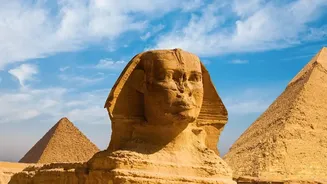
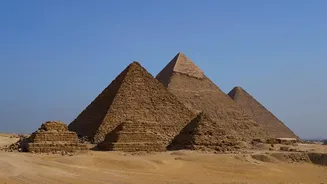
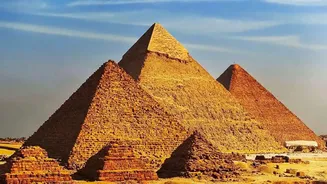
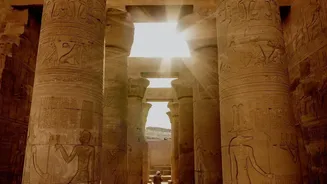
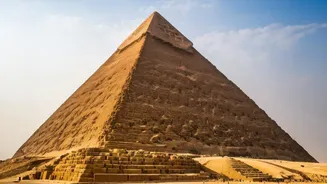
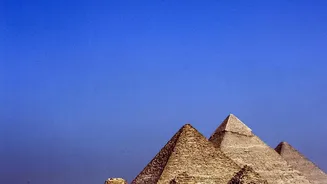
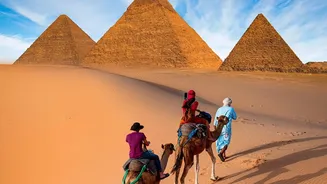
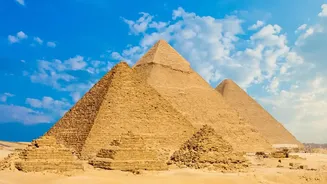
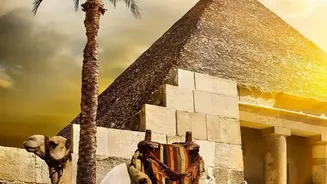
No trip to Egypt is complete without standing in awe of the Pyramids of Giza, the Valley of the Kings, and the temples of Karnak and Abu Simbel. These sites are world-famous for a reason, but their popularity means you won't be alone. To make the most of your visits, strategy is key. Arriving early in the morning or later in the afternoon can help you avoid the worst of the tour bus crowds and the midday sun. At Karnak Temple, an early start is best, while Luxor Temple is famously atmospheric at night when the structures are beautifully illuminated. For overwhelming sites like the Pyramids, hiring a reputable guide can be invaluable, not just for historical context but also to help navigate the persistent vendors and camel ride offers. Mentally preparing for the intensity of these locations allows you to focus on their magnificence instead of the distractions.
Balancing with Quieter Escapes
The secret to a truly rewarding Egyptian journey is to balance the magnificent—but often chaotic—masterpieces with moments of quiet discovery. These lesser-known spots provide breathing room and a deeper connection to the country's diverse history and landscapes. Instead of spending all your time at the main Giza plateau, consider a day trip to the older pyramids at Saqqara and Dahshur, which are often far less crowded. In Luxor, after braving the main temples, find serenity at the beautifully preserved Dendera Temple or the historically rich Abydos Temple. In Aswan, escape the city bustle with a leisurely felucca sail on the Nile or a visit to a colorful Nubian village on Elephantine Island. These quieter moments are not just fillers; they are often the experiences that provide the most lasting memories.
The Case for a Slower Pace
It's tempting to create a packed, checklist-style itinerary to see as much as possible, but Egypt rewards a slower pace. Rushing from one monumental site to the next can lead to sensory overload, leaving you with a blur of temples and tombs rather than a genuine appreciation for them. Building downtime into your schedule allows for spontaneous moments—lingering over a cup of tea, wandering through a local market away from the main tourist bazaar, or simply watching the Nile flow by. This slower approach also opens the door for more meaningful interactions and a better understanding of modern Egyptian life, which exists vibrantly alongside its ancient wonders. By giving each site the attention it deserves, you allow the country's profound history to truly sink in.