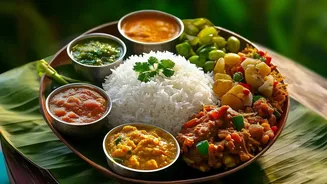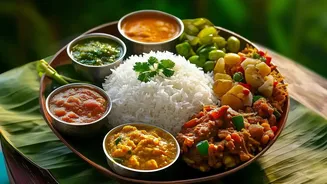


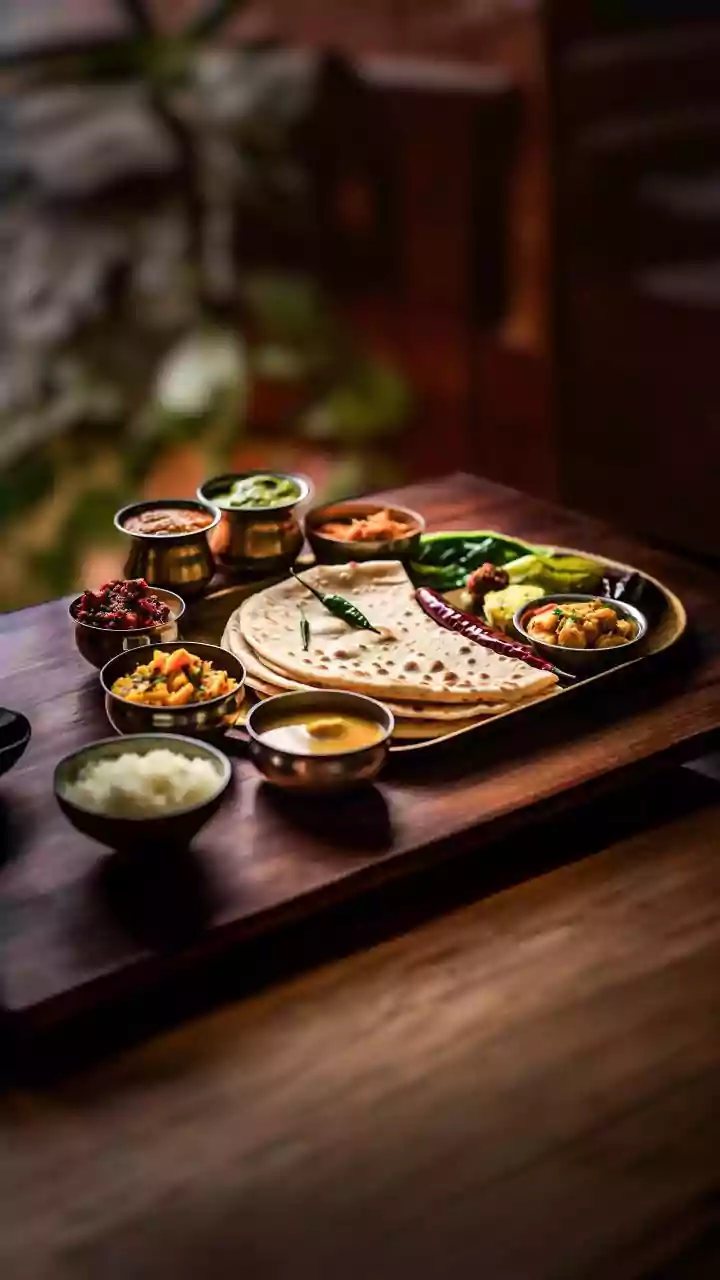
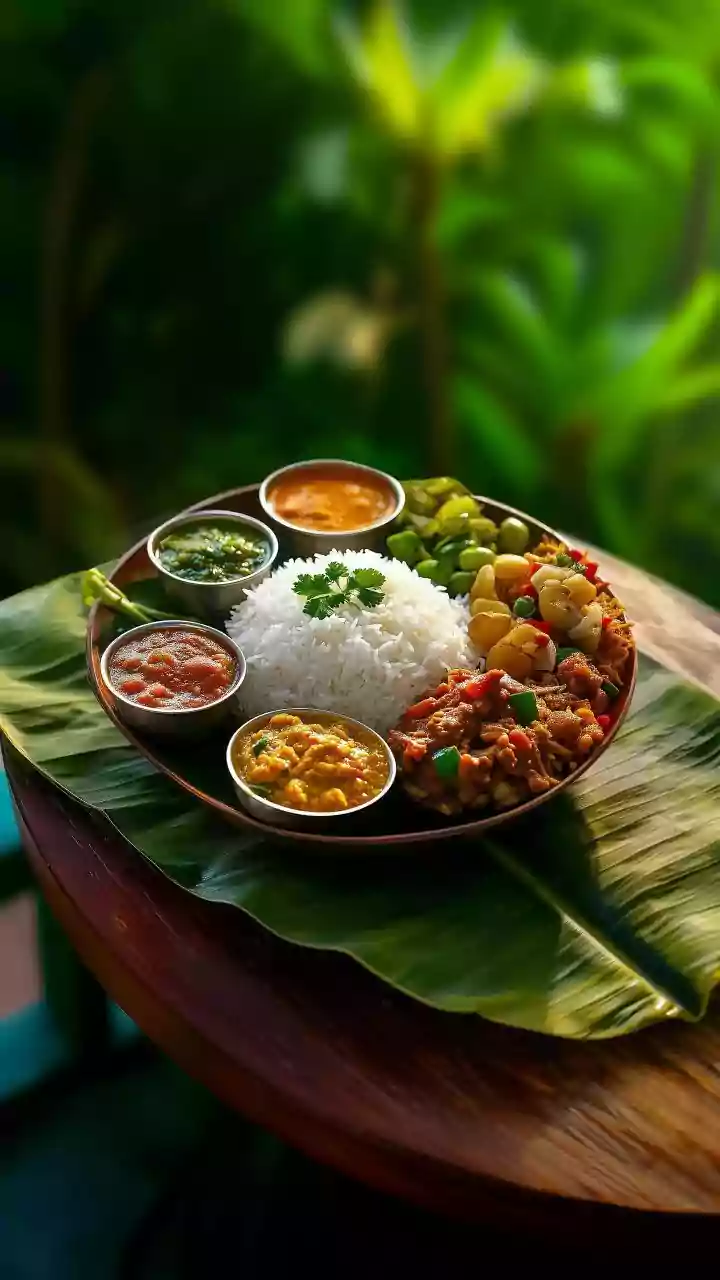
The Culprits Hiding in Plain Sight
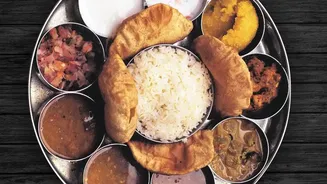
For millions in India, a satisfying meal is incomplete without a generous serving of rice or a stack of fresh rotis. These carbohydrates are the cornerstone of our daily diet. However, recent studies and health warnings have put two specific ingredients
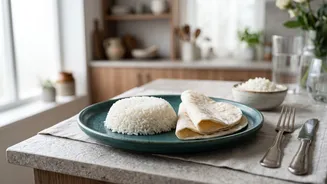
under the scanner: polished white rice and refined wheat flour, or maida. The Indian Council of Medical Research (ICMR) has highlighted that Indian diets are dangerously heavy in carbohydrates, which make up over 62% of our total calorie intake. Much of this comes from these refined, low-quality grains that are stripped of their natural goodness.
Why Refined Grains Raise the Alarm
The problem with maida and polished rice lies in how they are processed and how our bodies react to them. A whole grain of wheat or rice contains three parts: the fibrous bran, the nutrient-rich germ, and the starchy endosperm. To produce maida and white rice, the bran and germ are milled away, removing most of the dietary fiber, B vitamins, and essential minerals. What’s left is almost pure starch. These are high-glycemic index (GI) foods, meaning they are digested very quickly and cause a rapid spike in blood sugar levels. Your body then releases a surge of insulin to manage this sugar rush. Over time, this constant cycle can lead to insulin resistance, a key precursor to Type 2 diabetes.
More Than Just Rice and Roti
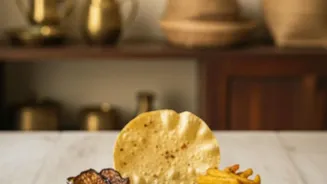
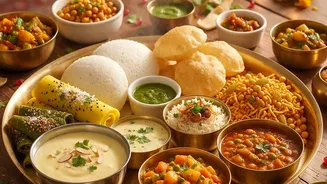
While rice and roti are the main sources, refined carbohydrates lurk in many other beloved Indian foods. Think of popular snacks and breakfast items like poha, upma, idli, and dosa, which are often rice-based and can contribute to repeated glucose spikes throughout the day. Then there are the countless snacks made from maida: samosas, kachoris, bakery biscuits, and naan. Even many 'digestive' or 'sugar-free' biscuits are primarily made of maida and hidden fats, offering little nutritional value. This over-reliance on a narrow band of refined grains, coupled with a suboptimal intake of protein, creates a metabolic imbalance that puts millions at risk.
Making Your Thali Healthier: Smart Swaps
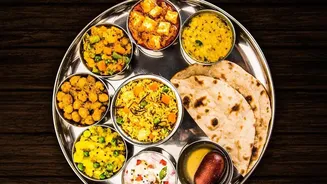
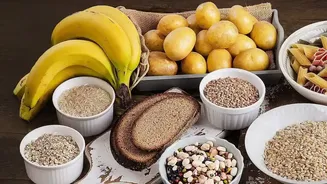
The good news is that managing this risk doesn’t mean abandoning Indian cuisine. It’s about making smarter, more conscious choices. The first step is to swap refined grains for their whole counterparts. Instead of white rice, opt for brown rice, which retains its fiber-rich bran layer. Better yet, rediscover traditional Indian millets like jowar (sorghum), bajra (pearl millet), and ragi (finger millet). These ancient grains are packed with fiber, have a lower glycemic index, and add a wonderful variety of textures and flavours to your meals. You can use them to make rotis, khichdi, upma, and even dosa batter.
Rethinking Your Roti and Balancing Your Plate
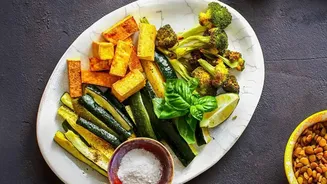
If you can’t part with your wheat roti, you don't have to. Instead of using only refined atta or even some whole wheat flours that can still be starchy, try mixing your flour. A simple trick is the '50/50 rule': mix 50% wheat flour with 50% besan (gram flour) or soya flour. This simple addition boosts the protein and fiber content, significantly lowering the meal's glycemic impact. Beyond the grains, focus on balancing your entire plate. A powerful strategy is 'food sequencing': start your meal by eating fiber-rich salad or vegetables first. Follow that with your protein source, like dal, paneer, or curd. Eat your carbohydrates (rice or roti) last. This simple ordering helps slow down sugar absorption and prevents sharp glucose spikes.