




What Exactly Is Ground Sumac?
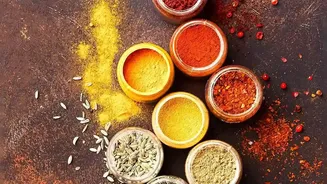
Sumac is a cornerstone spice in Middle Eastern and Mediterranean cooking, prized for centuries for its brilliant colour and unique taste. It’s made from the deep red berries of the Rhus coriaria shrub, which are native to regions like Southern Italy,
Turkey, and Iran. The berries are harvested, dried, and ground into a coarse, deep reddish-purple powder. Its flavour is often compared to lemon—tangy, bright, and citrusy—but it's generally considered softer and more balanced than fresh lemon juice or vinegar. Beneath the initial sourness, you'll find subtle fruity, earthy, and even slightly sweet notes that provide a complex depth of flavour.
The Dry Acidity Advantage
The most compelling reason to keep sumac in your spice cabinet is its ability to deliver acidity without adding moisture. This is a game-changer for many dishes where texture is key. Think about getting a perfect, crispy skin on roasted chicken or achieving a beautiful char on grilled vegetables. Adding a splash of vinegar or a squeeze of lemon juice can introduce steam, preventing that desirable crispiness. Sumac provides that essential bright, tangy flavour that cuts through richness while keeping the food's surface dry. This makes it an ideal ingredient for dry rubs, marinades, and as a finishing spice sprinkled over everything from fried snacks to roasted meats.
A Familiar Flavour for the Indian Palate
While sumac is a star in Middle Eastern cuisine, its flavour profile will feel right at home in many Indian kitchens. Its function as a dry souring agent is similar to that of amchur (dried green mango powder) or anardana (dried pomegranate seed powder), which are used across North India to add a tart flavour to snacks, chaats, and vegetable dishes. Like amchur, sumac can balance salt, sugar, and heat in a dish. While the flavour isn't identical—sumac has a more citrus-berry character compared to amchur's tart green mango taste—it can be used in similar applications, making it a wonderful ingredient to experiment with in modern Indian cooking.
How to Use Sumac in Your Kitchen
Integrating sumac into your cooking is incredibly simple. You can use it anywhere you might want a pop of citrus. A classic use is to sprinkle it over hummus or yogurt-based dips for a beautiful splash of colour and a tangy finish. It's a key ingredient in the Middle Eastern spice blend za'atar and is essential in salads like fattoush. Try tossing it with sliced red onions and a pinch of salt to create a quick, flavourful garnish for kebabs and wraps. For main courses, it's excellent in dry rubs for chicken, lamb, or fish before grilling or roasting. You can also stir it into salad dressings, sprinkle it over roasted vegetables, or even dust it over eggs.
Beyond Traditional Uses
The versatility of sumac extends far beyond its traditional roots. Its bright, clean acidity makes it a fantastic modern pantry staple. Try sprinkling it over avocado toast, mixing it into popcorn with a bit of salt, or even adding it to the rim of a cocktail glass for a surprising twist. It can cut through the richness of fatty foods, making it a great companion for halloumi or lamb chops. Because it’s a dry spice, it can be incorporated into spice blends without clumping. Whether you’re following a classic Middle Eastern recipe or simply want to add a new dimension to your everyday meals, sumac offers a unique combination of vibrant colour and sophisticated flavour.