




The simple pleasure of a stroll through a bustling, car-free street is a universal urban dream. Cities worldwide are reclaiming roads for people, and the ambitious revitalisation of Delhi's Chandni Chowk is a prime example of this movement.
The Global Push for People-First Spaces
Across the
globe, urban planners are recognising that streets should be more than just channels for traffic. They are vital public spaces that impact health, safety, and community life. The benefits of pedestrianisation are compelling: air and noise pollution levels drop, public health improves as people walk more, and safety increases dramatically. Studies have shown that car-free zones can reduce pedestrian injuries by as much as 70%. Beyond safety, these projects often lead to economic boosts for local businesses, which benefit from increased foot traffic and a more pleasant shopping environment. By transforming streets into destinations for dining, socialising, and culture, cities are fostering more vibrant and liveable communities.
Icons of Walkable Urban Design
Several cities stand out as pioneers in this movement. Copenhagen’s Strøget, one of Europe's longest pedestrian shopping streets, has been car-free since 1962 and serves as a model for cities worldwide. It's not just one street but a network of interconnected roads and squares, linking high-end retail with historic landmarks and lively street performers. Similarly, Barcelona's famous La Rambla is a 1.2-kilometre boulevard with a wide central promenade that embodies the city's vibrant spirit. More recently, Barcelona has been lauded for its 'superblock' concept, where groups of city blocks are transformed into pedestrian-priority zones, drastically reducing through-traffic and creating new public plazas and green spaces. These examples show how prioritising people can redefine a city's heart.
The Transformation of Chandni Chowk
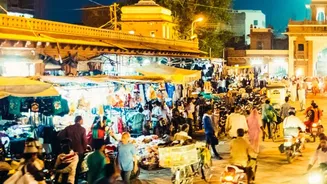
For centuries, Chandni Chowk has been the chaotic, bustling commercial heart of Old Delhi. Recognizing its historical significance and the challenges posed by extreme congestion, a major redevelopment project was undertaken to revitalise a 1.3-km stretch from the Red Fort to Fatehpuri Masjid. The primary goal was to decongest the area and create a pedestrian-friendly environment, giving precedence to people over vehicles. The ambitious plan involved moving messy overhead electrical and utility wires underground, paving the entire stretch with red sandstone and granite, and adding benches, planters, and new public toilets. The most significant change was the restriction of motorised traffic from 9 a.m. to 9 p.m., aiming to transform the street into a walkable heritage promenade.
A New Experience: Before and After
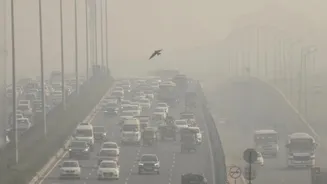
The project, inaugurated in September 2021, aimed to restore the area's Mughal era grandeur and make it a premier tourist destination. The initial results were promising, creating an organised and visually appealing space that was safer and more accessible for shoppers and visitors. The 'before' was a picture of chaos—impassable traffic, tangled wires, and constant noise. The 'after' presented a clean, open vista where people could stroll, shop, and appreciate the historic architecture without dodging vehicles. This improved the overall user experience and was intended to have a positive impact on economic, cultural, and social activities. However, the project has faced significant challenges since its completion.
The Reality of Revitalisation
Despite the grand vision, maintaining the new order has proven difficult. Reports from 2024 and 2025 indicate that the old chaos has largely returned. Banned vehicles, including motorbikes, often flout the rules, and the wide pedestrian walkways have been crowded by unregulated e-rickshaws and street vendors. Issues like overflowing dustbins, nonfunctional street lights, and general disrepair have compromised the aesthetic improvements. Critics argue the plan failed to adequately consider the livelihoods of informal workers, such as cart pullers who were essential for loading and unloading goods for traders. The displacement of these workers and persistent traffic management issues highlight a gap between the redevelopment plan's aspirations and the complex realities of a living market.